Appliances · Buying Guide
Best Flat Bottom Cast Iron Skillet Choices for Your Kitchen
Choosing a reliable flat bottom cast iron skillet brings exceptional heat retention and rugged durability directly to your home kitchen. These versatile cooking pans work seamlessly across multiple stovetops, induction ranges, ovens, and outdoor campfires to help you sear meats, bake cornbread, and fry breakfast foods with steady, consistent results every time.
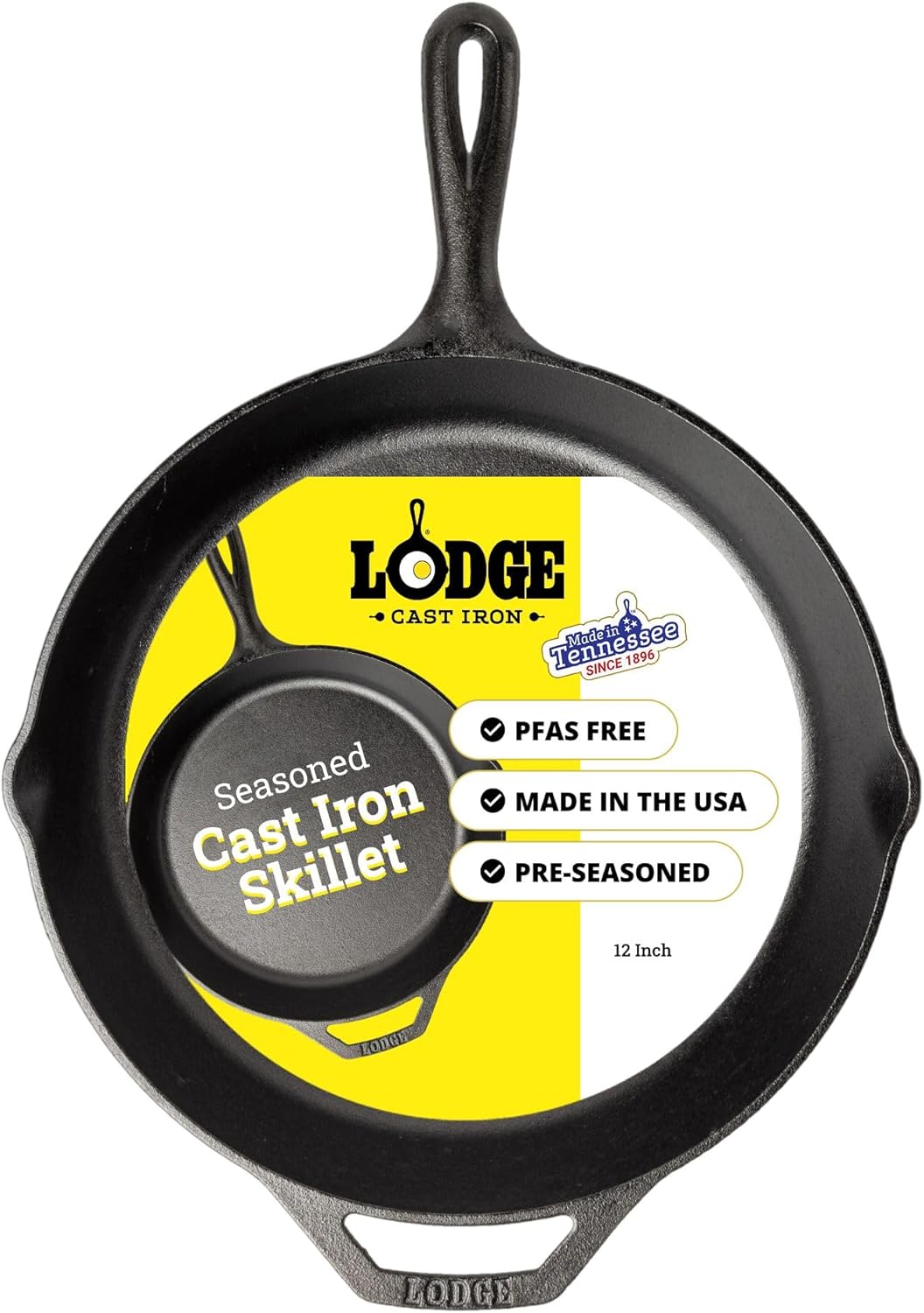
Many available options arrive naturally pre-seasoned, offering a chemical-free non-stick surface that continuously improves with every single use. By understanding how different diameters, handle configurations, and maximum temperature limits match your specific cooking habits, you can easily select a heavy-duty pan designed to handle daily meal preparation for years to come.
As an Amazon Associate, StacyLaughs earns from qualifying purchases.
Buying guide
Material and Heat Retention
Cast iron is universally prized for its incredible structural durability and superior heat retention qualities. When you pre-heat a flat bottom cast iron skillet properly, it holds thermal energy far longer than conventional thin metal pans, ensuring your steaks sear evenly and your baked goods develop a wonderful, crisp crust without sudden temperature drops during cooking.
This consistent heat distribution minimizes localized hot spots across the entire cooking surface. Whether you are cooking on gas burners, electric coils, or smooth induction cooktops, understanding how cast iron absorbs and radiates heat helps you achieve reliable, professional results during everyday meal preparation and long roasting sessions in your busy home kitchen.
Seasoning and Non-Stick Performance
A natural seasoning layer is essential for unlocking safe non-stick performance in cast iron cookware. Many pans arrive pre-seasoned from the factory using natural vegetable oils baked directly into the iron pores, allowing you to cook eggs and delicate meats right away without synthetic PFOA, PTFE, or PFAS chemicals getting into your food.
Over time, regular cooking sessions and routine oil applications build up this protective finish, making the cooking surface smoother and much easier to clean. If you purchase an uncoated model, performing initial seasoning steps at home is strictly required to establish this dependable low-stick cooking performance before preparing your favorite family meals.
Handle Design and Maneuverability
Choosing the right handle configuration depends heavily on how you plan to use and transport your skillet. Traditional single teardrop handles offer a comfortable grip for tilting and pouring, but heavy loaded pans benefit greatly from dual assist handles that provide balanced two-handed lifting control during demanding kitchen tasks and meal transfers.
Dual side handles also make it much easier to slide wide pans into crowded oven cavities or onto outdoor camp grills safely. Evaluating your physical comfort and cabinet storage space ensures you select a handle style that matches your daily cooking routine without causing physical strain or awkward lifting angles during dinner prep.
Size and Capacity Considerations
Skillet sizes dictate both portion capacities and how well cookware fits onto your specific stovetop burners. Smaller 10-inch pans work exceptionally well for side dishes or single portions, while 12-inch models offer ample room for multi-person meals, large batches of bacon, or whole family recipes cooked together in one versatile vessel without ingredient crowding.
However, larger diameters increase total pan weight significantly and require wider storage footprints in your kitchen cabinets. Matching the diameter to your typical household meal size prevents overcrowding ingredients while keeping physical handling entirely manageable during heavy cooking, oven baking, and daily cleanup tasks around the busy house.
Stovetop and Oven Compatibility
Cast iron cookware is celebrated for working across a wide variety of indoor and outdoor cooking environments. Most flat bottom skillets function seamlessly on gas burners, electric coils, and smooth induction cooktops, allowing you to transition meals directly from the stove burner into a hot kitchen oven with complete ease and safety.
Many models also safely withstand high campfire temperatures or direct outdoor grill grates during weekend camping trips and outdoor gatherings. Reviewing the maximum temperature limits specified for your chosen pan ensures safe high-heat searing and oven baking without damaging the heavy iron body or natural seasoning layer over time.
Maintenance and Care Practices
Proper maintenance keeps cast iron cookware performing reliably for generations of daily home cooking and baking. Because these heavy pans typically require careful hand washing and prompt thorough towel drying, avoiding prolonged water soaking helps prevent unwanted rust formation and protects the vital natural seasoning layer across the rough iron cooking surface.
Applying a light coat of cooking oil after cleaning maintains the smooth non-stick finish and keeps the raw iron protected between meals. Following specific manufacturer care instructions ensures your flat bottom skillet remains a dependable daily cooking tool in your kitchen arsenal for many years of great family meal service.
Frequently asked questions
Can I use a flat bottom cast iron skillet on an induction cooktop?
Yes, cast iron is naturally magnetic, making it exceptionally well suited for smooth surface induction cooktops. When using iron cookware on induction ranges, the flat bottom sits flush against the glass surface to ensure efficient heat transfer. It is always wise to place the pan down gently rather than sliding it across the glass to prevent scratching. Additionally, induction heating transfers energy rapidly into the iron body, so starting with medium heat settings helps prevent thermal shock while your skillet warms up evenly for cooking.
Do pre-seasoned cast iron skillets require washing before first use?
Most pre-seasoned cast iron skillets arrive ready to use right out of the box, but giving the pan a quick wash with mild soapy water and a thorough towel dry before your first cooking session is a common practice. This removes any dust or factory residue accumulated during shipping and manufacturing. After drying, applying a very thin layer of cooking oil and heating the pan briefly can help condition the surface further, ensuring your eggs, meats, and pancakes release smoothly without sticking during your initial meal preparation.
How do I prevent food from sticking to my cast iron skillet?
Preventing food from sticking relies on maintaining a healthy seasoning layer and managing your cooking temperatures properly. Always pre-heat your skillet over medium heat for a few minutes before adding cooking oil or butter, as hot oil creates a temporary non-stick barrier. Avoid adding cold foods straight from the refrigerator into a dry pan, and allow proteins to sear naturally until they release on their own. Regular use with oils and fats continually builds up the smooth non-stick patina over time.
Can I put my cast iron skillet in the oven or on a campfire?
Cast iron cookware is exceptionally versatile and designed to transition seamlessly from indoor stovetops directly into hot home ovens or onto outdoor campfires and grills. Most standard seasoned skillets tolerate high oven temperatures safely up to 500 degrees Fahrenheit, while specialized griddles often handle even higher heat limits. Always check the specific temperature rating for your exact model before baking, roasting, or campfire cooking, and use sturdy oven mitts because the solid iron handle absorbs heat intensely during high-temperature baking sessions.
What is the best way to clean and dry a cast iron skillet?
Cleaning cast iron requires avoiding prolonged soaking in water to prevent rust formation. Wash your warm pan using hot water and a stiff brush or sponge, using mild soap if desired. Immediately dry the skillet completely with a clean towel to eliminate all moisture. To finish, place the dry pan on a warm burner for a minute to evaporate any remaining dampness, then rub a tiny amount of cooking oil across all interior and exterior surfaces before storing it safely in your kitchen.