Appliances · Buying Guide
Best Flat Bottom Wok Induction Options for High-Heat Cooking
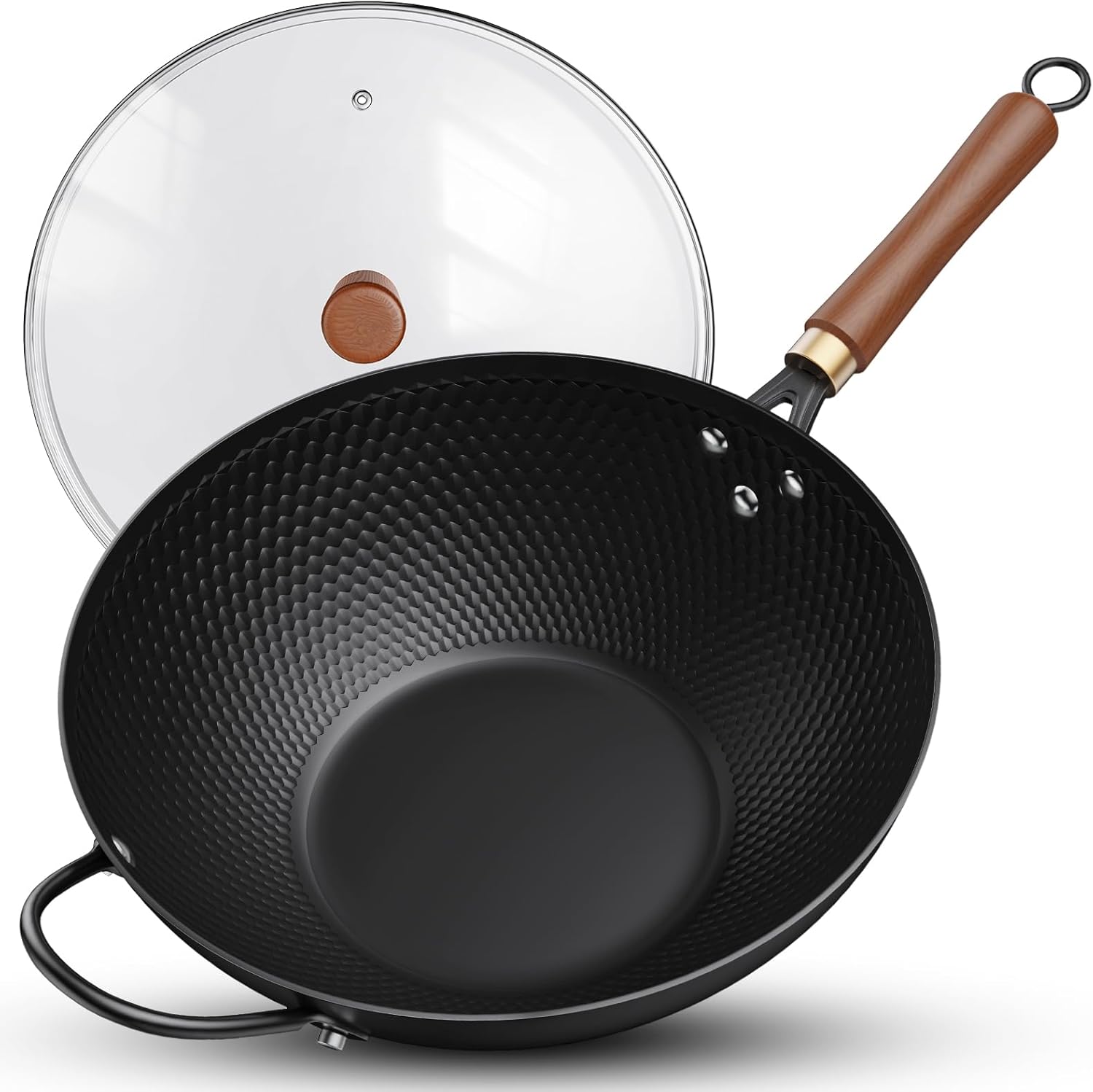
Finding the right cookware for modern smooth-top cooktops requires a stable base that distributes heat evenly across the surface. A flat bottom wok induction design provides secure contact with magnetic burners, making it easier to achieve high-temperature searing without losing thermal efficiency. These pans rely on reactive carbon steel to mimic traditional round-bottom performance while remaining firmly planted on electric and induction ranges.
Navigating the options involves looking closely at handle configurations, pre-seasoned surfaces, and included lids. Whether you need a lightweight pan for quick tossing or a heavy-gauge model built for durability, understanding these features ensures a reliable addition to your kitchen. The following selections highlight various carbon steel builds tailored for versatile stovetop cooking.
As an Amazon Associate, StacyLaughs earns from qualifying purchases.
Buying guide
Evaluating Carbon Steel Material Thickness
Choosing the right thickness affects how quickly your pan responds to temperature adjustments on an induction burner. Thicker gauges provide extra durability and prevent warping under intense heat, while slightly thinner walls allow for faster heating times.
Consider how you plan to handle the pan during cooking sessions. Heavier builds offer robust stability on glass cooktops but require more physical effort when lifting loaded ingredients from the burner.
Understanding Flat Bottom Dimensions
The diameter of the flat base dictates how much surface area makes direct contact with your induction cooking zone. A wider base secures better energy transfer, ensuring magnetic elements heat the pan evenly.
Match the flat base measurement to your specific burner size to optimize thermal performance. A well-proportioned base prevents uneven hot spots across the cooking surface during high-heat searing.
Handle Design and Ergonomics
Handle construction plays a critical role in safety and comfort when tossing ingredients or moving the pan. Wooden handles generally remain cool during stovetop use and offer a secure grip.
Some models include an additional helper handle opposite the main grip. This secondary handle provides extra stability when lifting heavy portions of food from the burner.
Pre-Seasoned Versus Raw Surfaces
Pre-applied factory seasoning allows you to use the pan shortly after a simple rinse, bypassing initial burn-in steps. This factory layer gives an immediate start for building non-stick properties.
Regardless of factory treatment, ongoing oil maintenance remains necessary over time. Applying thin layers of cooking oil after each wash preserves the natural seasoning layer and prevents oxidation.
Stovetop Compatibility and Versatility
Flat bottom designs work seamlessly across induction, gas, and electric glass cooktops. The uniform underside rests securely against flat burner surfaces without wobbling.
Verify that the pan material can handle your preferred heat sources, whether you intend to use indoor glass ranges or take the cookware outdoors for open fire cooking.
Lid Inclusions and Accessories
Some pans come paired with matching glass lids designed for trapping steam and monitoring progress. A clear lid helps when simmering, braising, or steaming vegetables and dumplings.
Decide whether a lid fits your culinary style or if an open pan better suits rapid high-heat stir-frying where moisture evaporation is the primary goal.
Frequently asked questions
Can I use a carbon steel wok on a smooth glass induction cooktop?
Yes, flat bottom carbon steel woks are designed with a wide, flat base that makes steady contact with smooth glass and induction cooktops. The magnetic properties of carbon steel interact efficiently with induction burners to deliver rapid heat distribution. However, you should always lift the pan rather than sliding it across the glass surface to prevent scratching the cooktop during active cooking and tossing.
Do these woks require seasoning before the first use?
Many models arrive pre-seasoned from the factory using high-temperature techniques, allowing you to rinse the pan and start cooking immediately. Despite this initial treatment, traditional carbon steel requires ongoing oil seasoning over time to build and maintain a durable natural non-stick surface. Following the manufacturer care instructions after each wash helps preserve this seasoning layer for long-term performance.
Are carbon steel woks dishwasher safe?
No, carbon steel woks must be washed by hand with warm water. Dishwasher detergents are too harsh and will strip away the protective seasoning layer, leaving the bare steel vulnerable to rust and corrosion. You should wash the pan manually, dry it thoroughly on the stovetop, and apply a thin layer of cooking oil before storing it in your kitchen cabinet.
Why does weight matter when choosing a flat bottom wok?
Weight influences both physical handling and thermal stability on the burner. Heavier gauges offer greater durability and resist warping under intense heat, but they require more strength to lift when filled with food. Lighter pans allow for faster maneuvering and tossing, making them easier to handle if you prefer frequent movement during stir-frying tasks.
What is the benefit of a helper handle on certain models?
A helper handle provides an extra point of control opposite the main grip, making it easier to lift and transfer a heavy pan loaded with food. This dual-handle configuration helps balance the weight when moving the cookware between the stove and the countertop, especially with larger diameters or heavier steel gauges.