Appliances · Buying Guide
Best Frying Pan for Eggs: Top Choices for Everyday Kitchens
Finding the right cookware for morning routines means looking closely at how different materials handle heat distribution and food release. Cooking eggs perfectly requires a reliable skillet that distributes warmth evenly and prevents delicate whites from sticking to the cooking surface. Choosing the ideal pan depends heavily on your specific stovetop compatibility, preferred build materials, and daily habits for preparing breakfasts.
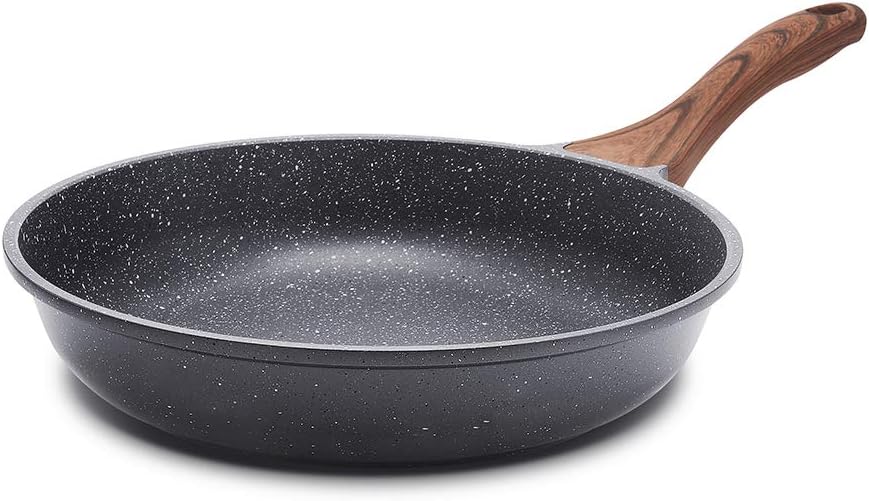
Several distinct models offer practical advantages, ranging from compact cast aluminum designs to tri-ply stainless steel builds featuring removable handles for convenient storage. Examining their specific surface coatings, temperature limits, and overall construction properties helps you select an ideal cooking tool for your kitchen space and ensures dependable utility during everyday meal preparation tasks.
As an Amazon Associate, StacyLaughs earns from qualifying purchases.
Buying guide
Material Composition
Selecting the right material composition directly influences how fast a frying pan heats up and how well it retains warmth during morning breakfast preparation. Cast aluminum models offer lightweight handling and rapid thermal responses, making them extremely popular for quick cooking tasks where steady heat control matters most for delicate ingredients like eggs and omelets.
Stainless steel combinations add structural durability and help prevent warping over years of frequent use across various heat sources. Evaluating whether you prefer traditional lightweight aluminum or reinforced multi-layer tri-ply construction helps match your daily cooking style, physical strength, and general storage preferences in the busy kitchen space without unexpected compromises during meals.
Nonstick Surface Coatings
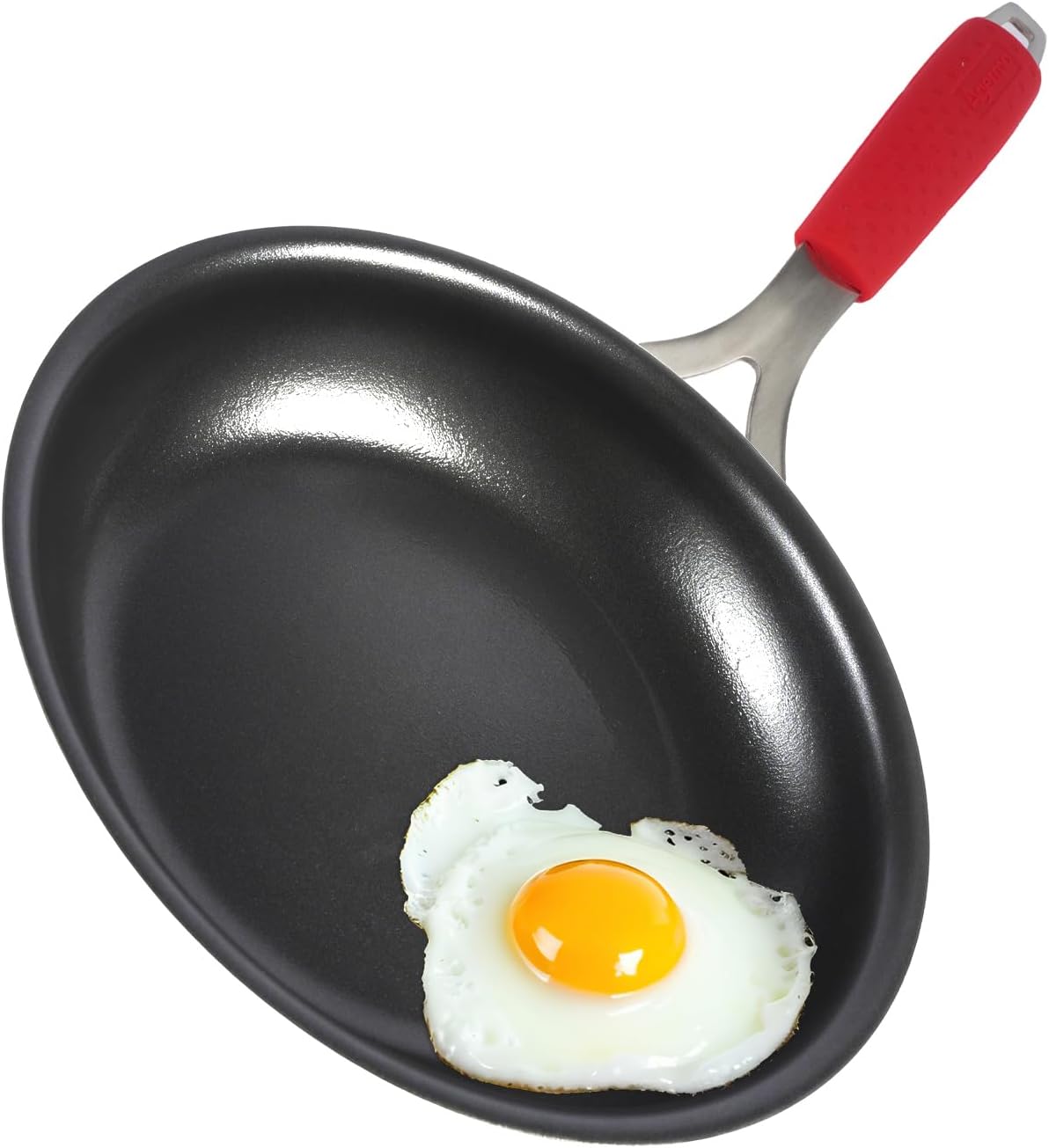
Nonstick surface coatings play a major role in determining how easily delicate eggs slide out of the skillet and onto your breakfast plate without breaking. Advanced options like natural ceramic finishes or reinforced multi-layer nonstick layers significantly reduce the need for excessive oils or butter during daily cooking sessions, ensuring healthier meals for everyone.
Reviewing the specific coating type helps ensure you select a pan that matches your personal preference for low-fat meals and effortless cleanup routines. Smooth, rivetless interior designs further eliminate trapped food particles, making post-meal washing much faster and maintaining a hygienic cooking environment for your household every single day without unnecessary physical hassle.
Stovetop Compatibility
Ensuring that your chosen frying pan matches your specific cooktop type is essential for safe and efficient heat transfer during daily breakfast preparation routines. While many traditional aluminum skillets work great on standard gas and electric ranges, modern induction cooktops require specialized magnetic stainless steel bases to generate proper heat distribution consistently every single time.
Checking compatibility specifications before purchasing prevents frustrating heating issues and ensures the pan functions correctly across your particular kitchen setup without unexpected performance drops. Versatile pans supporting all heat sources offer greater flexibility if you plan to remodel your cooking appliances or move to a new home later on in life.
Handle Design and Storage
Handle design significantly impacts daily cooking comfort, user safety, and how easily you can store cookware inside crowded kitchen cabinets. Ergonomic handles featuring cool-touch Bakelite materials protect your hands from accidental burns during long cooking sessions on the stove, ensuring a steady and reliable grip while transferring food to serving plates safely every single day.
Models equipped with detachable handles or convenient hanging holes offer exceptional space-saving benefits for smaller kitchens, RVs, and compact apartments where storage room remains severely limited. Evaluating whether a fixed or removable handle best fits your daily storage habits helps optimize your kitchen layout without causing unnecessary clutter over time consistently.
Cleaning and Maintenance
Maintaining your frying pan properly extends the lifespan of the nonstick coating and keeps food releasing smoothly during morning breakfast cooking sessions. Many modern skillets offer dishwasher-safe convenience, though gentle hand washing with mild soap and warm water is frequently recommended for delicate ceramic surfaces to preserve their long-term functional longevity safely and easily.
Following manufacturer cleaning guidelines prevents premature wear and ensures your cookware stays in top condition for future meals without annoying food sticking issues. Choosing between dishwasher compatibility and hand-washed maintenance depends entirely on your personal household cleaning preferences and daily schedule constraints in a busy kitchen environment every single day of the week.
Oven and Temperature Limits
Knowing the maximum temperature limits of your frying pan is vital if you enjoy finishing egg dishes or fluffy frittatas directly inside the oven cavity. Some pans support high heat resistance up to 550 degrees Fahrenheit, while others are restricted to lower thermal thresholds or require removing bakelite handles before entering the hot oven environment safely.
Checking these temperature specifications ensures you avoid damaging the cookware structure or melting handles during advanced baking and broiling tasks. Matching pan capabilities to your favorite recipes prevents accidental equipment damage and broadens your cooking versatility at home without unexpected safety hazards or material degradation over prolonged periods of daily use consistently without fail.
Frequently asked questions
What size frying pan is best for cooking eggs?
An 8-inch or 9.5-inch frying pan is typically considered the best size for cooking eggs because it provides enough space for one or two servings without spreading whites too thin. Smaller pans allow eggs to maintain a thick, desirable shape for sandwiches or single-plate breakfasts. Larger 10-inch pans accommodate multiple eggs or additional ingredients like vegetables and bacon, but smaller diameters give better edge control when flipping fried or omelet-style eggs. Selecting the right size depends directly on your household size and whether you cook for one person or prepare multi-serving family breakfasts every single morning.
Can nonstick egg pans be used on induction stovetops?
Many nonstick frying pans are compatible with induction stovetops, but you must check the specific product specifications before purchasing. Induction cooktops require cookware built with a high magnetic conductive base or stainless steel exterior layer to generate heat properly. While traditional aluminum pans lack magnetic properties, many modern models feature bonded stainless steel plates on the bottom specifically designed for induction use. Always verify stovetop compatibility details to ensure your chosen pan heats efficiently on gas, electric, ceramic, and smooth surface induction cooktops without any performance issues whatsoever.
How should I clean a ceramic or nonstick egg pan?
Cleaning a nonstick or ceramic egg pan properly requires following the manufacturer guidelines to protect the coating and extend its lifespan. Many models offer dishwasher-safe convenience for effortless cleanup, but manufacturers frequently recommend gentle hand washing with mild soap, warm water, and a soft sponge. Avoiding abrasive scrubbers or harsh metal utensils prevents scratching the delicate nonstick surface and keeps food sliding off easily. Taking a few extra seconds to hand wash and wipe your skillet with a towel preserves the protective coating and maintains smooth cooking performance over time.
Are removable handles useful on frying pans?
Removable handles offer exceptional utility for home cooks dealing with limited storage space in kitchen cabinets, RVs, or tight apartments. A detachable handle lets you tuck the pan into compact spaces where traditional long handles would normally cause storage friction. Additionally, removing the handle allows the skillet to fit safely inside ovens for baking or broiling tasks without exposing plastic parts to high temperatures. However, you must ensure the attachment mechanism locks securely during stovetop cooking to maintain a steady grip while transferring heavy food items safely.
Why do some egg pans feature dual pour spouts?
Frying pans featuring dual pour spouts provide practical advantages when you need to transfer liquids, excess oils, or sauces out of the skillet with precision. These integrated spouts allow you to pour smoothly from either the left or right side, preventing messy drips down the exterior sides of the pan. This design feature proves especially helpful when preparing recipes that involve pan sauces, runny eggs, or liquid batters. While not mandatory for basic frying, pour spouts add a layer of convenience that simplifies cleanup and keeps your stovetop clean during busy morning cooking routines.