Appliances · Buying Guide
Best Granite Stone Stock Pot Options for Everyday Cooking
Choosing the right granite stone stock pot can transform how you handle daily meal preparation, from simmering savory stocks to boiling large batches of pasta. These modern pots combine durable aluminum bodies with specialized nonstick granite coatings, designed to deliver efficient and even heat distribution across various modern stovetops, including induction cookers.
When shopping for your kitchen, looking closely at capacity, handle construction, and stove compatibility helps align cookware with your actual cooking style. Whether preparing intimate meals for a small household or managing large quantities for family gatherings, understanding these core attributes ensures a practical, reliable addition to your kitchen setup for everyday cooking tasks.
As an Amazon Associate, StacyLaughs earns from qualifying purchases.
Buying guide
Evaluating Capacity and Size
Choosing the correct pot capacity depends heavily on your typical household size and the types of dishes you prepare regularly. Smaller pots around four to five quarts suit couples or simple side dishes, whereas larger options exceeding ten quarts accommodate bulk soups, stocks, and large family gatherings. Matching the volume to your kitchen habits prevents overflowing or struggling with oversized cookware.
Physical dimensions also impact how easily you can store and maneuver the pot within your kitchen space. Wider bases take up more burner room, while taller walls maximize volume without expanding the footprint. Reviewing cabinet clearance and burner sizes ensures your selected cookware fits seamlessly into your routine without causing storage friction or crowding adjacent pans on the stove.
Understanding Coating Materials
Granite nonstick coatings provide a smooth cooking surface that releases food easily with minimal oil, simplifying both cooking and cleanup tasks. These specialized finishes prevent sticky sauces from binding to the metal base. However, maintaining these surfaces typically involves gentle washing methods and avoiding abrasive metal utensils to protect the coating from premature wear over time.
Different brands utilize various coating formulations, such as Swiss ILAG or multi-layer granite systems, designed to enhance scratch resistance and longevity. Evaluating the coating specifications helps you select cookware that matches your maintenance preferences. Prioritizing proper care guidelines ensures the nonstick performance remains consistent across frequent boiling, simmering, and braising sessions throughout the lifespan of the pot.
Assessing Stovetop Compatibility
Modern stock pots feature diverse base constructions designed to interact efficiently with various kitchen heating surfaces. Induction cooktops specifically require a magnetic stainless steel base embedded within the aluminum body to conduct heat properly. Checking that your chosen pot explicitly supports induction, gas, electric, or ceramic burners guarantees reliable performance across different kitchen setups without cold spots.
A well-engineered base prevents warping and wobbling during extended heating periods, maintaining consistent contact with the burner element over years of use. Multi-layer bottoms distribute thermal energy evenly across the cooking surface, reducing localized hot spots that can scorch delicate soups and sauces. Verifying these structural details ensures dependable cooking results regardless of your specific kitchen appliance configuration.
Analyzing Handle and Lid Design
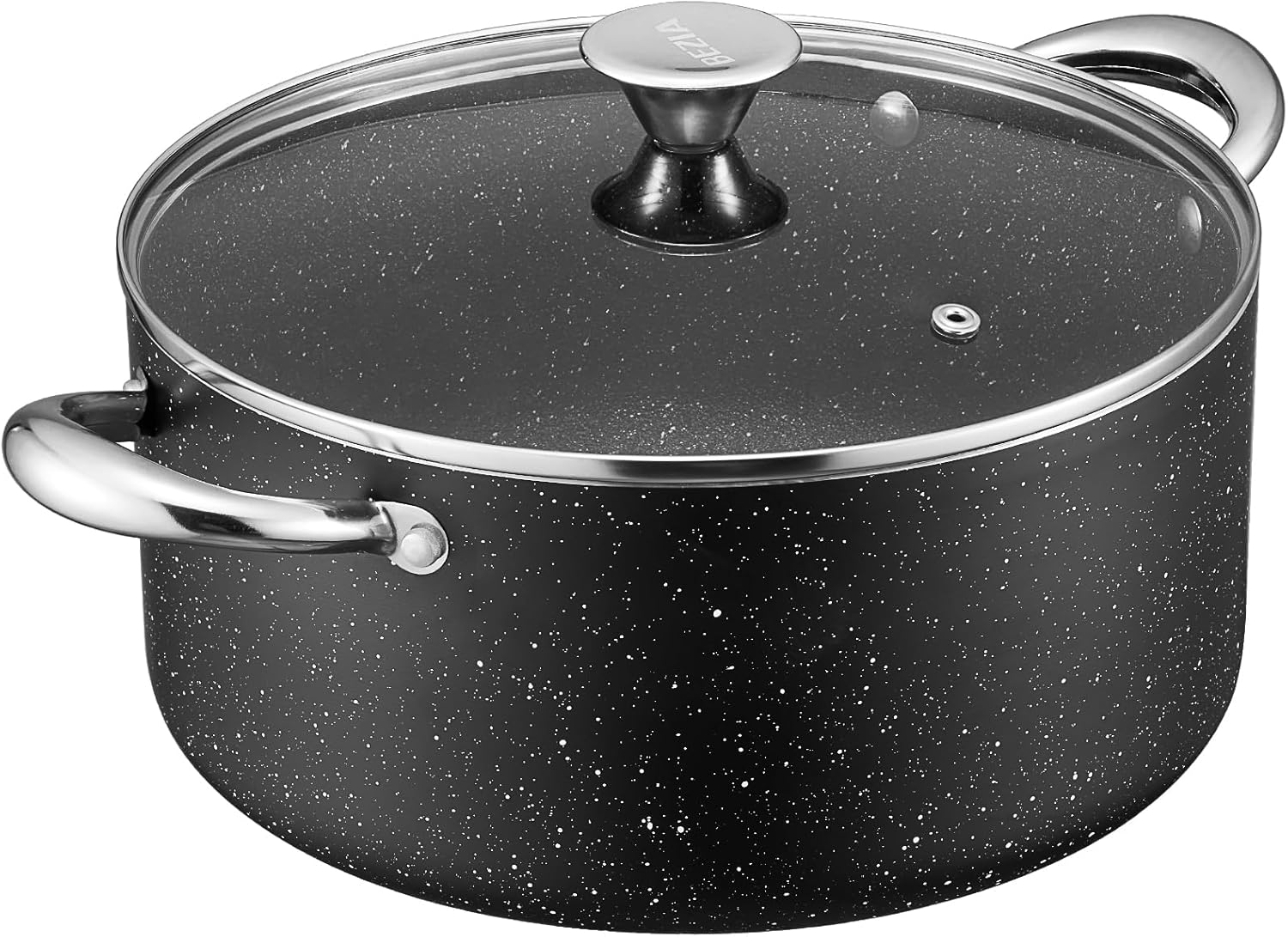
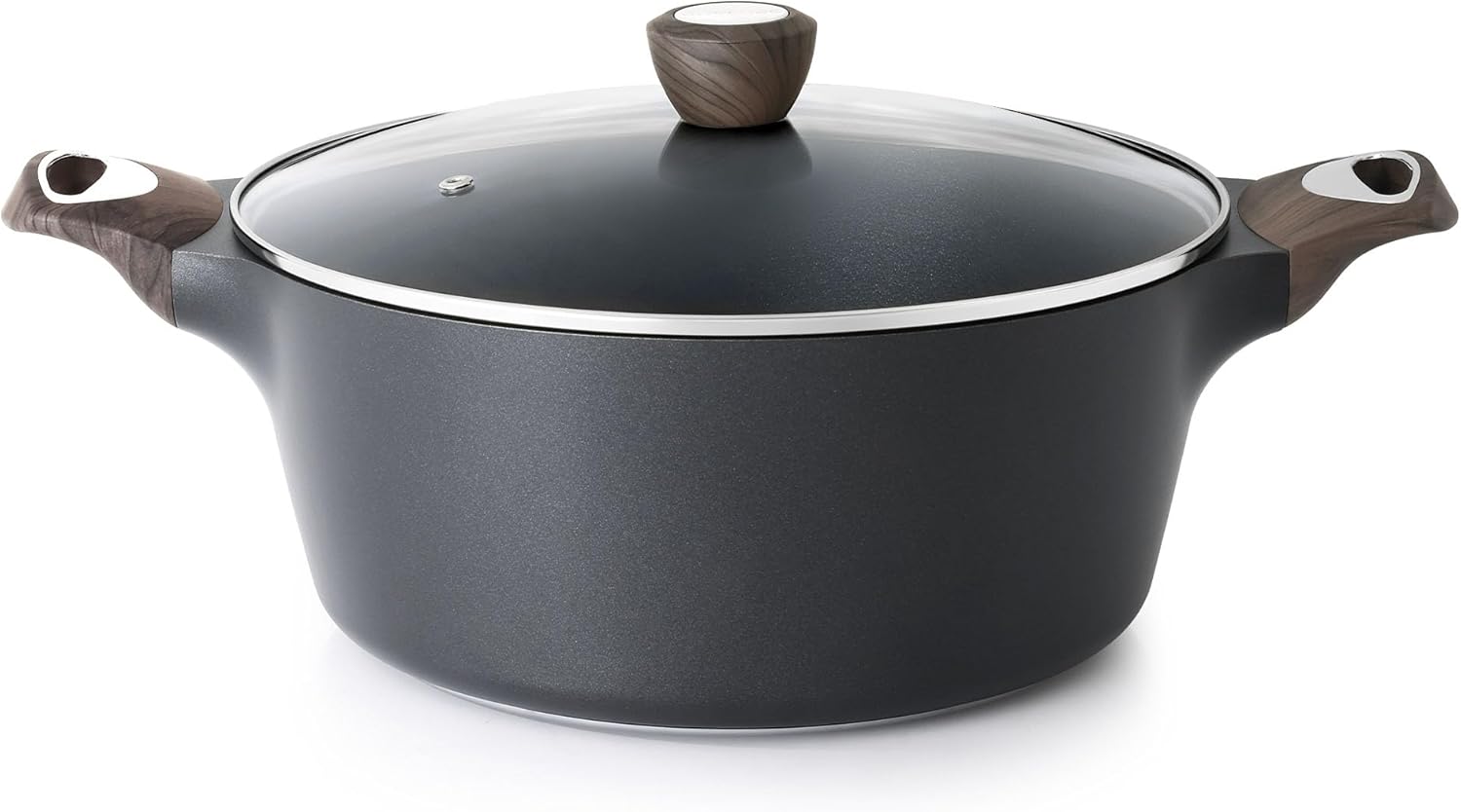
Handles and lids play critical operational roles in everyday safety, comfort, and food monitoring during cooking tasks. Ergonomic designs crafted from materials like wood-grain bakelite offer a comfortable grip while remaining cool during stovetop use. Securely attached handles significantly reduce hand fatigue when transporting heavy, liquid-filled pots from the stove to a serving table or sink.
Glass lids provide clear visibility, allowing you to check cooking progress without lifting the cover and releasing accumulated heat. Some specialized lids feature perforated steam vents or vapor release holes designed to manage pressure and prevent messy boiling over during intensive simmering sessions. Reviewing these lid and handle features helps ensure smooth, controlled operation during complex culinary procedures.
Reviewing Oven Safety Limits
Many stock pots transition from stovetop cooking to oven finishing, offering versatility for braised dishes, stews, and roasted recipes. However, temperature thresholds vary significantly depending on the specific metal alloys and handle construction used by the manufacturer. Checking whether a pot is rated for high oven temperatures prevents accidental damage to handles or coatings.
It is also common for glass lids to carry separate restrictions, often requiring removal before placing the metal pot body inside a hot oven. Following these explicit manufacturer guidelines protects both the cookware and your kitchen environment. Understanding oven limits helps you plan recipes that require multi-step cooking methods without compromising your equipment.
Prioritizing Maintenance and Care
Proper maintenance extends the functional lifespan of granite nonstick stock pots significantly. While many surfaces boast effortless food release, adhering to recommended cleaning practices prevents premature degradation of the nonstick coating. Hand washing with warm soapy water and a soft cloth is frequently advised over automatic dishwashing to protect the outer and inner layers.
Avoiding harsh scouring pads and metal utensils further safeguards the smooth granite finish against scratches and wear. Storing pots with protective separators if stacked also prevents surface friction. Committing to these straightforward care routines ensures your cookware maintains its nonstick efficiency and structural integrity through years of regular meal preparation.
Frequently asked questions
Can granite stone stock pots be used on induction cooktops?
Many granite stone stock pots feature specialized induction-compatible bases constructed with embedded stainless steel plates or bonded metallic layers. This foundation allows the pot to interact correctly with magnetic induction burners, ensuring fast and even heat distribution across the cooking surface. However, compatibility depends entirely on the specific product design, so reviewing individual manufacturer specifications before purchasing is essential to confirm whether a particular pot operates on your stovetop.
Are granite stone stock pots safe to use in the oven?
Oven safety varies widely among different stock pot models based on their handle materials, coatings, and overall structural composition. Certain aluminum pots withstand high oven temperatures up to 450 degrees Fahrenheit, while others are strictly restricted to stovetop use only. Furthermore, companion glass lids almost always carry separate guidelines and typically cannot be placed inside hot ovens. Always consult individual product instructions to determine exact temperature limits.
How should I clean and maintain a nonstick granite stock pot?
Cleaning nonstick granite stock pots typically requires simple hand washing using warm water, mild dish soap, and a soft sponge or cloth. Manufacturers generally recommend avoiding abrasive scouring pads, harsh chemical cleaners, and metal utensils to prevent scratching the granite coating. Hand washing helps preserve the nonstick performance and extends the overall lifespan of the cookware. Following these straightforward maintenance habits ensures your pot remains smooth and easy to clean.
What capacity stock pot do I need for everyday cooking?
Choosing the right stock pot capacity depends on your household size and typical meal preparation habits. Smaller options around 4.5 to 5 quarts work well for couples and compact family meals, handling everyday soups and side dishes easily. Larger pots ranging from 6 to 12 quarts accommodate substantial batches of pasta, stews, or large family gatherings. Evaluating your typical portion sizes ensures you select a pot capacity that matches your kitchen needs.
Do granite stone stock pots require seasoning before use?
Most modern granite stone stock pots feature factory-applied nonstick coatings that do not require traditional seasoning methods used for raw cast iron cookware. The smooth surfaces are engineered to release food easily with minimal oil right out of the box. However, washing the pot thoroughly with warm soapy water before its initial use remains standard practice. Reviewing manufacturer instructions will clarify any specific preparation steps needed for your particular cookware item.