Appliances · Buying Guide
Best Granite Ware Roasting Pan Options for Every Kitchen Meal Size
Selecting a reliable roasting pan helps home cooks prepare everything from large holiday poultry to everyday weeknight dinners with dependable results. Granite ware roasting pans utilize enameled steel and porcelain surfaces to absorb and distribute heat evenly across various oven temperatures, making them versatile additions to traditional kitchen cookware collections for diverse baking tasks.
These vessels come in multiple shapes, including oval, rectangular, and round configurations, accommodating different portion sizes and specific recipes like artisan sourdough breads or large meats. Understanding the specific physical dimensions and capacity ratings helps buyers match the right pan to their oven space and everyday cooking goals successfully.
As an Amazon Associate, StacyLaughs earns from qualifying purchases.
Buying guide
Material Composition and Heat Distribution
Choosing the right material ensures your roasting pan handles high oven temperatures safely while promoting even cooking results across different recipes. Enameled steel surfaces absorb thermal energy quickly, transferring heat directly to the food inside. This construction prevents hot spots and delivers consistent browning for meats and baked goods without warping under heavy daily use.
Understanding these material limits prevents accidental damage during kitchen tasks. Most enameled steel roasters withstand high heat thresholds exceeding nine hundred degrees Fahrenheit, supporting versatile baking and roasting methods. Selecting durable porcelain finishes also ensures that lingering food flavors do not transfer between savory dinners and subsequent baking projects.
Capacity and Portion Sizing
Matching pan capacity to your typical meal size is essential for successful cooking and proper oven fit. Small compact vessels holding three to seven pounds suit single portions, modest chicken roasts, or individual bread loaves. These smaller sizes maximize efficiency for tight kitchen spaces and smaller households without taking up unnecessary room.
Larger meals require expansive capacities holding up to twenty or twenty-five pounds of poultry and meat. Selecting a large rectangular or wide oval pan ensures holiday turkeys and family roasts fit comfortably with adequate room for surrounding vegetables. Always verify your oven cavity dimensions before purchasing high-capacity models.
Lidded Versus Open Pan Designs
Deciding between a covered roaster and an open pan depends entirely on your preferred cooking techniques and moisture requirements. Covered models trap steam inside the vessel, creating a self-basting environment that keeps poultry tender and supports artisan bread crust development. This enclosed setup reduces the need for constant manual attention during long roasting cycles.
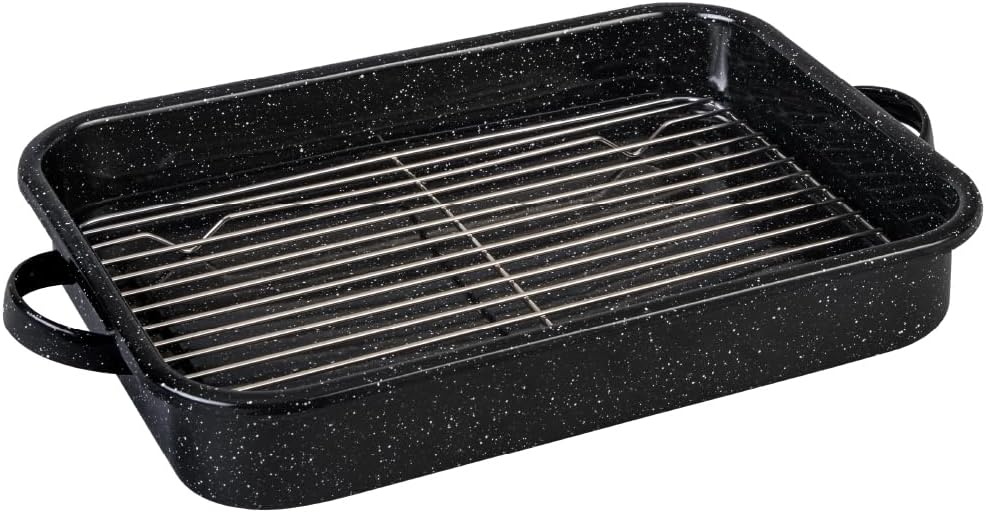
Open roasting pans paired with flat or V-shaped racks encourage superior browning and air circulation around large cuts of meat. While open designs lack built-in lids to trap moisture, they excel at broiling, grilling, and open-pan roasting tasks. Choose based on whether your recipes demand trapped steam or exposed top surfaces.
Rack Inclusion and Meat Elevation
Utilizing a roasting rack helps elevate meat above accumulated juices, preventing the bottom of your roast from boiling in liquid. V-shaped and flat racks promote all-around heat circulation, ensuring even browning and crisp skin on poultry. When evaluating options, check whether a rack comes bundled with the pan or if you need an open floor layout.
While racks improve drainage and texture, they also take up fixed interior space within the pan. Consider whether your intended recipes require an unobstructed floor for surrounding root vegetables or if elevated meat positioning is your primary priority. Matching the rack style to your cooking habits optimizes results.
Shape Selection for Oven and Storage
The physical shape of your roasting pan directly impacts how well it fits inside your oven and kitchen cabinets. Oval pans offer curved edges that fit narrower oven cavities and round spaces, making them popular for specialty baking and moderate roasts. Rectangular pans maximize internal volume for large family meals and wide baking sheets.
Evaluating your storage space prevents clutter in crowded kitchen cupboards. Deeper rectangular models require significant vertical and horizontal clearance, whereas compact round or small oval vessels slide easily onto standard shelves. Balance your maximum meal requirements against available storage limitations for a practical purchase.
Cleaning and Maintenance Routines
Maintaining your cookware properly ensures long-lasting visual appeal and dependable cooking performance over many years of use. Most enameled steel and porcelain roasting pans feature smooth, glass-like surfaces that resist sticking and simplify post-meal cleanup. Dishwasher-safe construction allows you to place the vessels directly into automatic washers without complicated scrubbing routines.
Following manufacturer guidelines protects the protective finish and prevents accidental surface damage. Avoid harsh abrasive pads that could scratch the enamel coating over time. Choosing durable, toxin-free materials that resist flavor absorption keeps your cookware hygienic and ready for transitioning between savory meats and sweet baked goods effortlessly.
Frequently asked questions
Can I use a granite ware roasting pan for baking artisan bread?
Yes, select granite ware roasters with lids work exceptionally well for baking artisan sourdough bread at home. The enameled steel construction handles high oven temperatures safely, while the tight-fitting cover traps moisture during the initial baking phase. This enclosed, steamy environment helps develop a crispy crust and a soft interior. Furthermore, the smooth non-porous surface prevents flavor transfer, allowing you to switch seamlessly between baking bread and roasting savory meats.
Are granite ware roasting pans safe to put in the dishwasher?
Most granite ware roasting pans feature dishwasher-safe construction designed to simplify post-meal cleanup routines. The smooth porcelain enamel and enameled steel surfaces resist sticking, allowing food residues to wash away easily during standard automatic washing cycles. Always check specific product guidelines to ensure proper care, but generally, these durable materials withstand regular dishwasher cleaning without losing their exterior color glare or functional nonstick properties over time.
What is the maximum temperature these roasting pans can handle?
Many granite ware roasting pans are rated to withstand high oven temperatures up to 932 or 935 degrees Fahrenheit, depending on the specific model. This high heat tolerance makes them versatile enough for demanding culinary tasks such as high-temperature bread baking, intense roasting, broiling, and grilling. Always verify the specifications of your chosen pan model to ensure safe operation within your specific oven's temperature limits during high-heat cooking sessions.
Do granite ware roasters contain PFOA or PTFE?
Granite ware roasting pans are constructed without harmful chemical coatings such as PFOA and PTFE. Instead, they utilize a natural porcelain enamel or glass-like surface fused to steel, providing an inert and non-toxic cooking environment. This chemical-free construction ensures a reliable cooking experience while preventing the release of hazardous fumes at high temperatures. It also preserves the natural taste of your food without altering flavors during roasting or baking tasks.
How do I choose between an open roaster and a covered roaster?
Choosing between an open roaster and a covered roaster depends on your preferred cooking style and moisture needs. Covered roasters include matching lids that trap steam, creating a self-basting environment that keeps poultry tender and bakes bread with a crisp crust. Open roasters often feature flat or V-shaped racks that elevate meat for superior air circulation, making them ideal for open-pan roasting, broiling, and achieving crispy skin without a trapped lid enclosure.