Appliances · Buying Guide
Best Green Cast Iron Cookware Sets for Everyday Home Kitchens
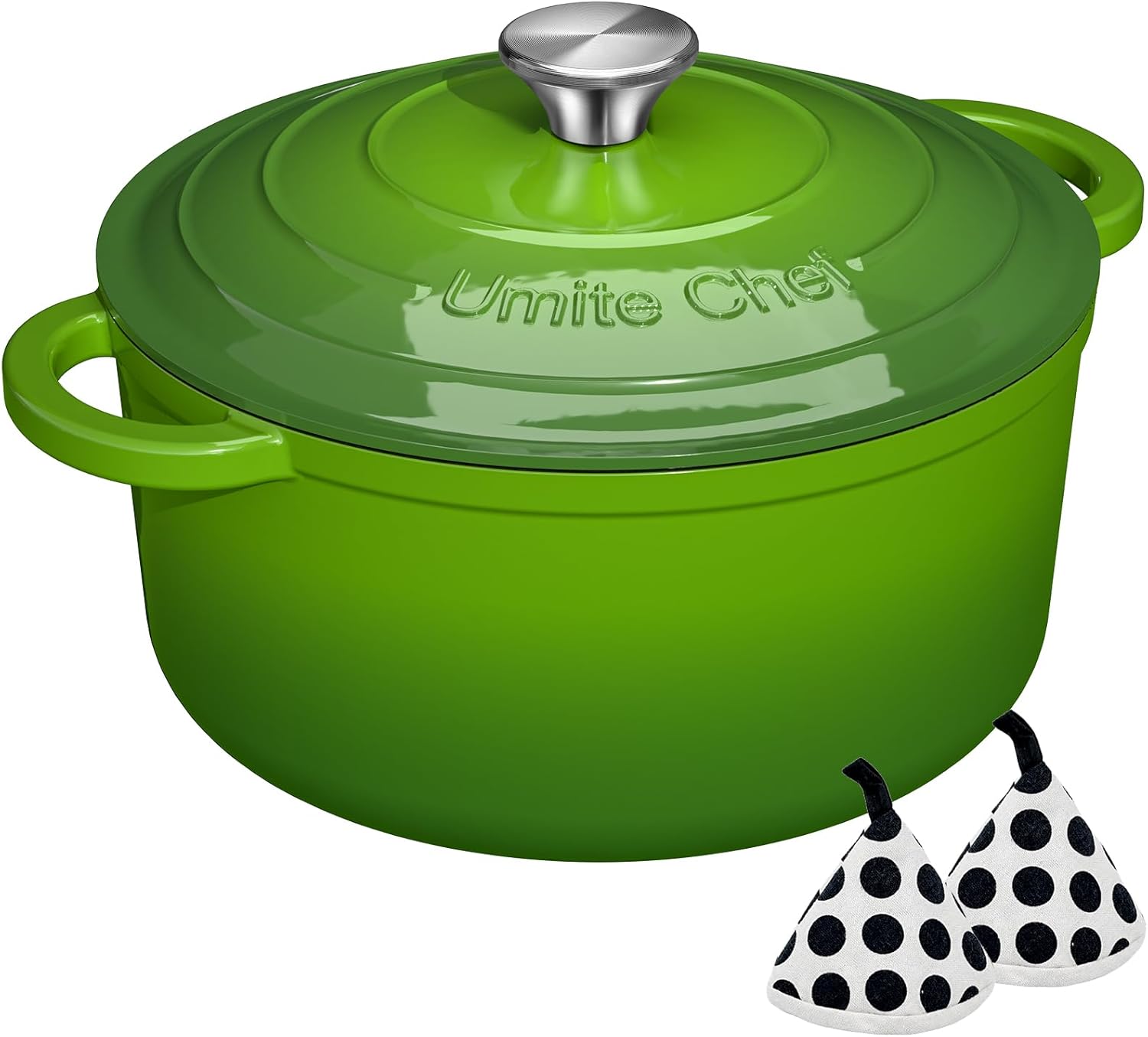
Finding the right green cast iron cookware can completely transform how you approach everyday meals, from slow-simmered stews to morning skillet breakfasts. Cast iron offers exceptional heat retention, helping to keep your culinary creations warm long after removing them from the burner. Enameled finishes also provide smooth surfaces for easy food release and straightforward cleanup.
Coordinated multi-piece sets and individual pots bring distinctive benefits to your kitchen routine. Whether you need a comprehensive collection for full meal preparation or a single heavy-duty Dutch oven for baking crusty bread, understanding specific capacities and configurations helps you select the ideal match for your everyday cooking style and available storage space.
As an Amazon Associate, StacyLaughs earns from qualifying purchases.
Buying guide
Choosing the Right Capacity and Size
Selecting the appropriate capacity for your green cast iron cookware depends on your household size and typical meal routines. Smaller households thrive with one to two-quart saucepots that handle side dishes or warmed liquids. Larger families benefit from five to six-quart Dutch ovens. These spacious pots accommodate whole chickens, soups, and artisan bread loaves efficiently.
Evaluating dimensions involves considering stovetop layouts and oven clearances. Large Dutch ovens feature wide footprints requiring adequate vertical space inside standard ovens during high-temperature baking. Checking storage space beforehand prevents cabinet overcrowding. Pots with extended handles demand extra lateral room, so measuring shelf depth guarantees a comfortable fit for your new kitchen cookware collection.
Understanding Enameled Versus Natural Cast Iron
Deciding between enameled and natural cast iron surfaces shapes your daily maintenance routine and cooking style. Enameled cast iron features a smooth ceramic coating that resists sticking and prevents food from absorbing metallic tastes. This glaze eliminates the need for seasoning, making cleanup straightforward with mild soap and warm water. It performs exceptionally well with acidic ingredients like tomato soups.
Natural cast iron relies on seasoning to build non-stick properties over time through repeated use and oiling. These pre-seasoned surfaces deliver traditional performance for high-heat searing and indoor grilling tasks. While enameled pots offer vibrant color options and easy washing, natural cast iron requires careful hand drying and periodic oil maintenance to prevent rust and maintain surface integrity.
Evaluating Stovetop and Oven Compatibility
Modern cast iron cookware provides broad compatibility across various kitchen heat sources, including gas, electric smooth top, and induction cooktops. When shopping for new pots, verifying your specific stove type ensures optimal heat transfer. Induction cooktops, for instance, require magnetic materials like cast iron to function correctly, making these heavy-duty pots a natural fit for magnetic burner surfaces.
Oven safety ratings represent another critical factor for bakers and home chefs. Many enameled and natural cast iron pots withstand high temperatures up to 500 degrees Fahrenheit. This thermal tolerance allows seamless movement from stovetop searing directly into a hot oven for braising meats or baking bread. Always check manufacturer temperature limits before placing cookware into extreme heat environments.
Managing Weight and Handling Ergonomics
Cast iron cookware is inherently heavy due to its dense metal structure, which dictates how you lift and transport pots. Heavy walls provide superior heat retention but add substantial physical weight, especially when filled with liquids or dense dough. Assess your physical comfort when handling heavy items, particularly if you routinely move large Dutch ovens between deep burners and countertops.
Handle design plays a pivotal role in ensuring safe transportation around the kitchen. Look for pots featuring wide stainless steel handles, ergonomic loops, or assisting side grips that accommodate thick oven mitts. Secure handles prevent awkward slips and make lifting scorching-hot vessels much safer. Choosing cookware with thoughtfully designed grips improves stability during heavy meal preparation tasks.
Cleaning and Maintenance Best Practices
Proper cleaning routines extend the lifespan of your green cast iron cookware and preserve its exterior finish. Enameled surfaces generally allow washing with soft sponges and mild detergents, while tough stains often require gentle soaking in warm water with baking soda. Avoid harsh steel wool or abrasive scrubbing pads that can scratch or chip the smooth ceramic glaze over time.
Natural cast iron requires different maintenance steps, typically favoring hand washing with warm water rather than harsh dishwashers to protect the seasoned layer. Drying pots thoroughly immediately after washing prevents unwanted moisture accumulation and rust formation. Following manufacturer care guidelines ensures your cookware stays in top condition for generations of reliable daily use in the kitchen.
Assessing Multi-Piece Sets Versus Single Pots
Deciding between a multi-piece cookware set and a single standalone pot depends heavily on your cooking repertoire. Multi-piece bundles provide varied vessels such as fry pans, woks, saucepans, and casseroles, covering diverse culinary techniques. This approach outfits your kitchen with matching pieces for comprehensive meal preparation, though it demands considerably more cabinet and countertop storage space at home.
Selecting a single standalone pot, like a versatile Dutch oven or a compact saucepan, suits cooks with focused recipe needs or tight storage constraints. Individual pots let you invest in high-quality construction for specific tasks without accumulating unused pans. Weighing your actual menu requirements against available kitchen storage helps determine whether a coordinated bundle or a single pot offers better utility.
Frequently asked questions
Can I use green cast iron cookware on induction cooktops?
Yes, cast iron cookware is naturally magnetic, making it fully compatible with induction cooktops, gas burners, and electric smooth-top stoves. The dense iron material interacts efficiently with magnetic induction elements to generate steady heat across the base of the pot. When shopping for induction-compatible cookware, checking the manufacturer specifications confirms whether a particular enameled or natural cast iron pot or set is rated for your specific stovetop type, ensuring safe and effective heating performance during everyday meal preparation tasks.
Is enameled cast iron better than natural pre-seasoned cast iron?
Neither type is universally superior, as each serves different cooking preferences and maintenance styles. Enameled cast iron features a smooth ceramic coating that prevents food from sticking, eliminates seasoning requirements, and handles acidic ingredients like tomato sauce without metallic taste absorption. Natural pre-seasoned cast iron relies on oil seasoning to build non-stick qualities over time and excels at high-heat searing and indoor grilling tasks. Your choice depends entirely on whether you prefer low-maintenance glazed surfaces or traditional seasoning maintenance routines.
How should I clean and maintain enameled cast iron pots?
Cleaning enameled cast iron is relatively straightforward because the glossy ceramic glaze resists food sticking and staining. Hand washing with warm soapy water and a soft sponge or cloth is generally recommended. For stubborn baked-on food residue, soaking the pot in warm water for an hour or two before washing with baking soda helps lift tough stains without scratching. Avoid harsh steel wool pads and abrasive cleaners that can damage the exterior enamel finish and diminish its glossy appearance over time.
What size Dutch oven is best for family-sized meals?
A five to six-quart Dutch oven is typically considered ideal for family-sized cooking, accommodating four to six servings comfortably. This capacity provides enough interior volume to roast whole chickens, simmer large batches of hearty stews, or bake artisan sourdough bread loaves. If you primarily cook for one or two people, smaller one to two-quart saucepots or shallow pans offer better proportions. Selecting the correct size depends heavily on your household head count and typical recipe batch requirements.
Do cast iron pots require special handling in the oven?
Most quality cast iron cookware is oven safe up to high temperature ratings, often reaching up to 500 degrees Fahrenheit. However, you must always verify the specific temperature rating provided by the manufacturer before placing any pot inside a hot oven. Additionally, because cast iron conducts heat intensely and gains substantial weight when filled, you should use thick cotton oven mitts or sturdy potholders to ensure a secure, slip-free grip when transferring heavy vessels between burners and ovens.