Appliances · Buying Guide
Best green pan electric skillet choices for effortless countertop meals
Finding the right cooking appliance can transform how you handle weeknight dinners and large weekend breakfasts. A green pan electric skillet brings versatile heating directly to your countertop, letting you sear, sauté, and simmer without crowding your main stove. These models combine spacious nonstick surfaces with convenient temperature controls to make everyday meal preparation straightforward and efficient.
Whether you need a compact surface for quick side dishes or a large family-sized basin for crowd-pleasing stir-fries, ceramic nonstick skillets offer a reliable alternative to traditional cookware. By utilizing embedded heating elements or removable temperature probes, they deliver consistent warmth across the entire cooking area. Reviewing the available options helps you match specific dimensions and power levels to your kitchen habits.
As an Amazon Associate, StacyLaughs earns from qualifying purchases.
Buying guide
Assessing Cooking Surface Capacity and Dimensions
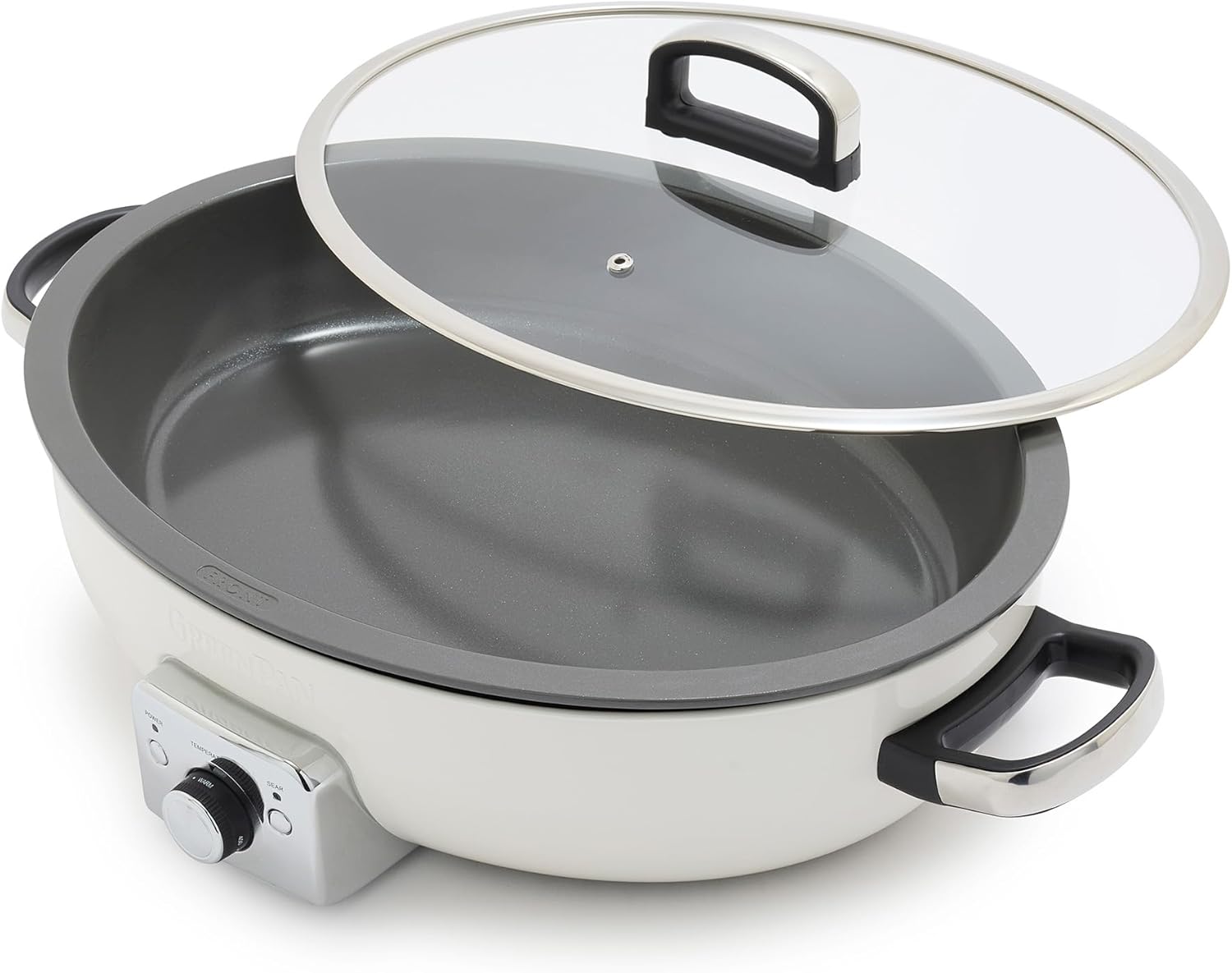
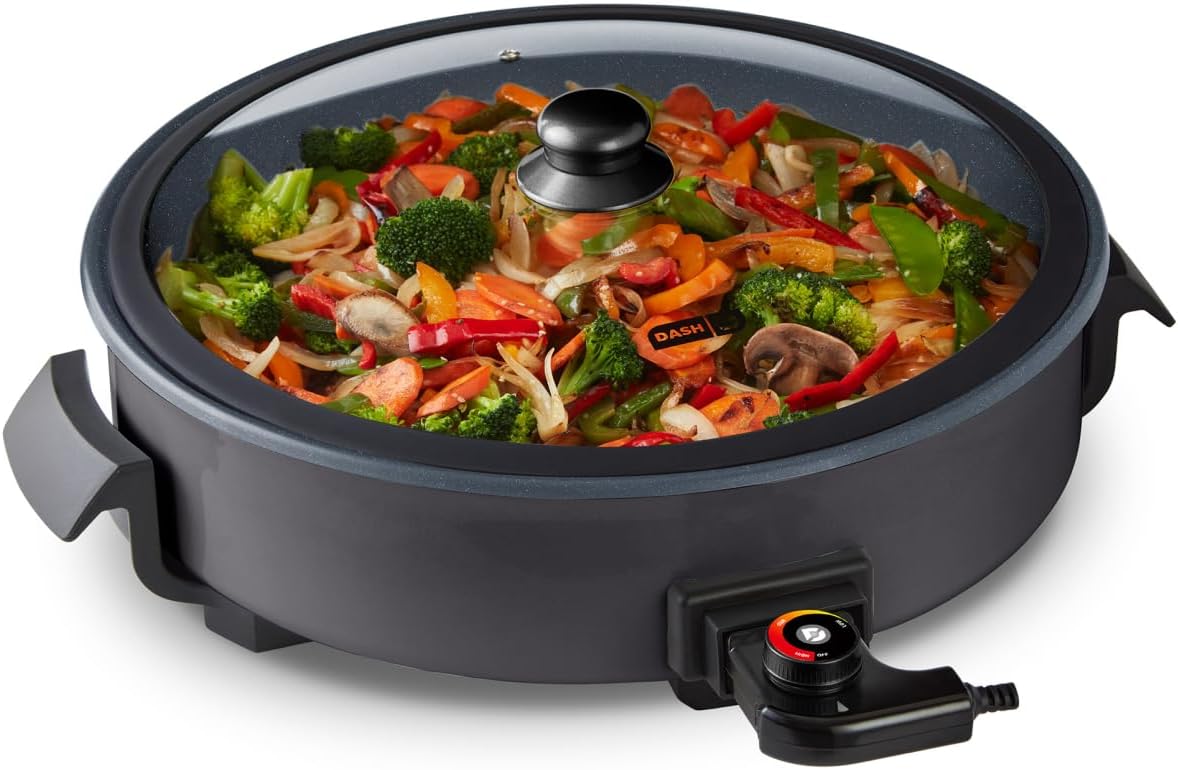
When selecting an electric skillet, carefully evaluating the physical dimensions and volumetric capacity is essential for matching the appliance to your household size and daily cooking routines. Models offering five to six quarts provide ample room for family meals, letting you prepare large batches of stir-fry, pancakes, or pasta without overcrowding the primary cooking area during busy weeknight dinners.
However, larger cooking surfaces inherently demand more countertop area and dedicated storage room in your kitchen cabinets. Measuring your available surface space before purchasing ensures the chosen appliance fits comfortably without obstructing surrounding appliances, electrical outlets, or overhead cabinetry during everyday meal preparation tasks.
Understanding Wattage and Heating Performance
Power ratings directly influence how quickly an electric skillet reaches high temperatures and how steadily it maintains heat while cooking dense or frozen foods. Units featuring higher wattage outputs, such as 1800 watts, deliver rapid heating capabilities and strong thermal recovery times that greatly benefit demanding tasks like searing thick meats or frying large batches of food.
Lower wattage options still handle everyday simmering, steaming, and gentle sautéing efficiently, though they may require extra preheating time or recover heat more slowly after adding cold ingredients to the pan. Matching the specific power specifications to your culinary preferences prevents frustration when executing complex recipes.
Evaluating Nonstick Coatings and Materials
The interior coating determines both cooking release performance and post-meal cleanup convenience after preparing greasy or sticky dishes. Modern electric skillets frequently utilize advanced ceramic nonstick surfaces designed to allow food to slide off easily without relying on traditional chemical treatments, making them popular choices for everyday low-oil cooking and quick maintenance routines.
Cast aluminum and forged iron bases provide structural durability and even heat distribution across the entire bottom of the pan. Reviewing these underlying material properties helps ensure the selected skillet withstands regular household use while remaining simple to wipe clean or place in the dishwasher according to specific manufacturer guidelines.
Temperature Control Mechanisms and Settings
Precise temperature management allows you to transition smoothly between boiling, frying, simmering, and keeping finished dishes warm for serving guests. Many electric skillets feature adjustable dials with multiple numbered settings or dedicated one-touch rapid heating functions to give you fine control over the cooking environment during complex meal preparation routines.
Removable temperature control probes offer an added layer of convenience by allowing you to detach the electrical components entirely before washing the pan body in the kitchen sink or dishwasher safely. Assessing how the temperature dial operates ensures you can achieve exact results for delicate sauces, breakfast eggs, or high-heat sears.
Lid Design and Visibility Features
Lids play a crucial role in trapping steam, retaining heat, and preventing messy oil splatters across your kitchen counters during active cooking sessions. Tempered glass lids equipped with integrated steam vents allow you to monitor the cooking progress of your food without lifting the cover and losing valuable thermal energy during delicate simmering tasks.
Dishwasher-safe lids add further convenience by streamlining post-cooking cleanup after preparing saucy dishes like stews, pasta, or braised meats. Checking whether a protective lid is included and what materials it uses helps you choose a model tailored perfectly to your preferred cooking styles and daily maintenance habits in busy home kitchens.
Portability and Storage Considerations
Electric skillets offer incredible flexibility by functioning independently of fixed stovetop burners, making them ideal for RVs, dorm rooms, or providing extra cooking capacity during major holiday gatherings and parties. Sturdy side handles provide a secure grip for carrying the appliance safely from the countertop to the dining table for convenient family-style serving sessions.
However, units with wide footprints or heavy cast bases require dedicated storage space in crowded kitchen cabinets or pantries. Evaluating the overall weight, dimensions, and detachable parts of each model ensures you can easily store and transport the skillet without experiencing unnecessary physical strain throughout your daily routine.
Frequently asked questions
Can I put my electric skillet in the dishwasher?
Whether an electric skillet can go into the dishwasher depends entirely on the specific model's design and removable components. Many modern ceramic electric skillets feature removable pots and dishwasher-safe lids that can be placed in the machine for easy cleaning. However, the heating base and detachable temperature control probes contain electrical components and must never be submerged in water or placed in the dishwasher. Always consult the manufacturer's cleaning instructions to prevent permanent electrical damage to your appliance before washing.
What can I cook in a ceramic electric skillet?
A ceramic electric skillet is an exceptionally versatile countertop appliance capable of tackling a wide variety of daily cooking tasks. You can use it to fry eggs, sear steaks, sauté vegetables, braise meats, and simmer large batches of pasta or one-pan dinners. Many models also support baking, roasting, and griddling pancakes thanks to their adjustable temperature controls and wide, flat cooking surfaces. This flexibility makes them useful for preparing everything from quick breakfast items to complete family dinners.
How do I clean a ceramic nonstick electric skillet?
Cleaning a ceramic nonstick electric skillet is straightforward when following proper maintenance guidelines. First, ensure the appliance is completely unplugged and has cooled down entirely to prevent warping the metal. If your model features a removable pot, detach it from the heating base. Wash the interior surface gently using a soft sponge, warm water, and mild dish soap, avoiding abrasive scouring pads that could scratch the ceramic coating. Rinse thoroughly and dry completely before storing the unit.
Do electric skillets require a lot of counter space?
Electric skillets vary significantly in their physical dimensions and spatial footprint. Compact 12-inch models take up moderate counter space, making them suitable for smaller kitchens, apartments, or dorm rooms. In contrast, larger 14-inch or oval family-sized skillets feature wider profiles and taller heights that require substantial counter area during operation and dedicated storage space in cabinets. Measuring your available kitchen space prior to purchase helps ensure the skillet fits your cooking area without causing overcrowding.
Why is the temperature control probe removable?
The temperature control probe is designed to be removable primarily to facilitate safe cleaning and compact storage. Because the probe houses the electrical thermostat and power plug, removing it allows you to safely immerse the compatible cooking pot or pan body in water or place it in the dishwasher. Additionally, detaching the probe makes the skillet much easier to store inside cabinets or pantries without dangling cords or bulky attachments getting caught on other kitchen items.