Appliances · Buying Guide
Best green pan stock pot options for home cooking
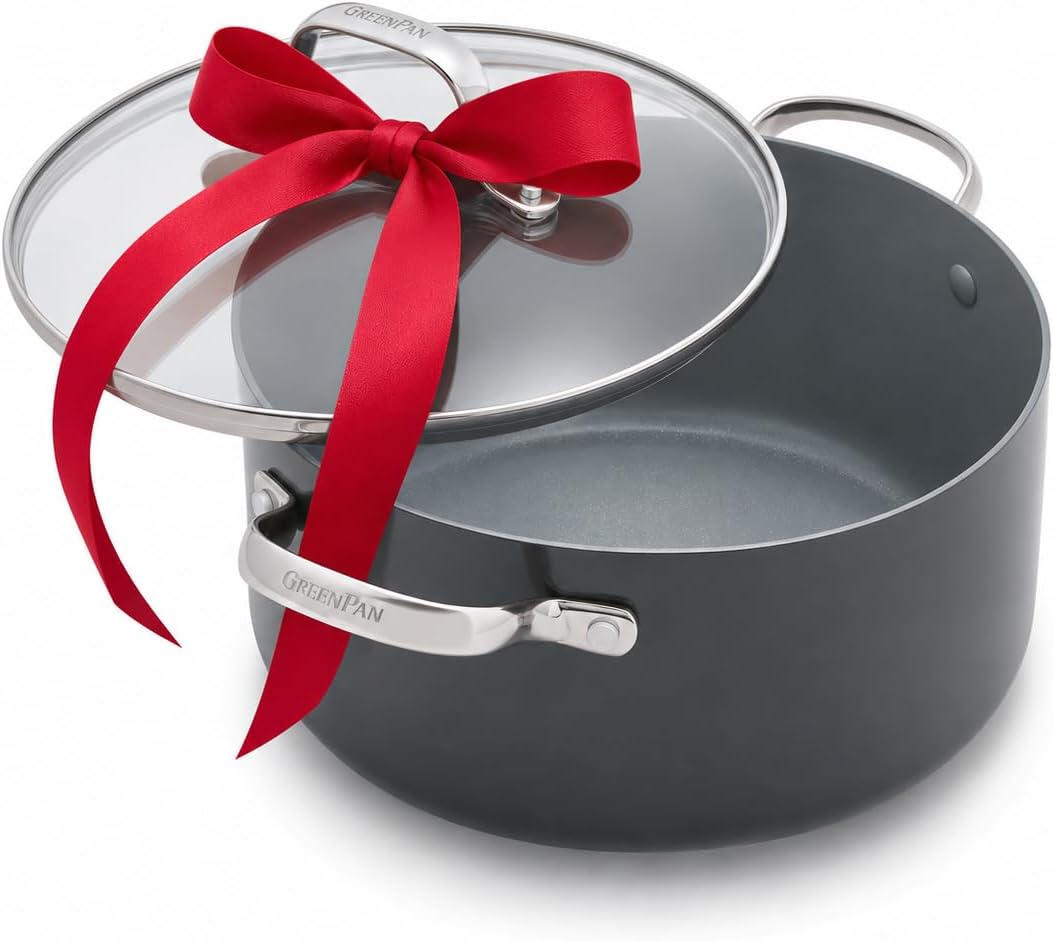
Selecting a green pan stock pot involves evaluating vessel capacity, material composition, and stovetop compatibility to match your daily routine. Different models cater to specific culinary tasks, ranging from boiling pasta to simmering large batches of soup. Manufacturers offer varied configurations featuring hard anodized aluminum bodies or mirror-finished stainless steel structures equipped with glass lids.
Understanding these diverse construction choices helps match your cooking style with the right base design, handle configuration, and heat tolerance. Reviewing physical dimensions alongside maximum temperature thresholds ensures the selected cookware integrates smoothly into your kitchen storage and everyday cooking habits without complication.
As an Amazon Associate, StacyLaughs earns from qualifying purchases.
Buying guide
Capacity and Volume Selection
Choosing the correct stock pot capacity depends directly on your typical household size and the types of recipes you prepare on a regular basis. Smaller models holding around five quarts handle everyday side dishes, grains, and moderate soup batches efficiently without taking up excessive storage room in typical kitchen layouts.
Larger eight-quart vessels accommodate bulk meal preparation, boiling substantial quantities of pasta, or simmering rich stocks for extended family gatherings. Evaluating your available kitchen storage space alongside your standard portion requirements ensures the selected pot meets your cooking volume needs without creating unnecessary bulk or handling difficulties during your daily meal routines.
Material Composition and Durability
Stock pots utilize distinct material constructions, including hard anodized aluminum and mirror-finished stainless steel, which dictate overall durability and heat distribution. Hard anodized bodies undergo pre-treatment processes to provide exceptional scratch resistance and structural toughness for daily culinary tasks. Stainless steel options deliver classic metallic performance backed by encapsulated bases designed to spread heat evenly across the cooking surface.
Weighing these material characteristics against your maintenance preferences helps determine long-term satisfaction. Hard anodized aluminum models often pair with nonstick coatings for easy food release, whereas stainless steel versions allow rigorous use with metal utensils. Matching the material build to your preferred cleaning habits and cooking techniques ensures your cookware endures years of frequent kitchen use.
Stovetop Compatibility and Bases
Stovetop compatibility remains a vital factor when selecting a stock pot to ensure seamless integration with your existing kitchen appliances. Many modern pots incorporate specialized induction bases, such as Magneto technology, allowing high-performance cooking across gas, electric, and induction cooktops alike. Other traditional models limit their use to standard gas and electric cooktops by omitting magnetic base optimizations.
Verifying your cooktop type before purchase prevents compatibility issues and guarantees efficient thermal transfer during meal preparation. Encapsulated multi-layer bases found on stainless steel designs further enhance heat control by preventing hot spots across the burner. Checking these base specifications ensures your chosen cookware performs reliably regardless of whether you cook on a traditional gas burner or a modern induction surface.
Interior Coatings and Release
Interior surface coatings significantly influence cooking and cleaning routines, with ceramic nonstick options offering effortless food release and simplified cleanup. Diamond-infused ceramic surfaces enhance durability while remaining free of toxins like PFAS, PFOA, lead, and cadmium. Alternatively, uncoated stainless steel interiors provide a traditional cooking environment that tolerates metal utensils without scratching or degrading the cooking surface.
Selecting between nonstick ceramic and bare stainless steel depends on the types of dishes you prepare most frequently. Nonstick interiors excel when cooking delicate items or reducing sticky sauces with minimal added oils or fats. Stainless steel surfaces suit high-heat searing and heavy-duty boiling where durability against metal tools outweighs the convenience of nonstick food release properties.
Oven Safety and Thermal Limits
Thermal tolerance varies significantly between different stock pot models, impacting your ability to transition cookware directly from stovetop burners to hot ovens. Many hard anodized and stainless steel bodies withstand temperatures up to 600 degrees Fahrenheit, accommodating advanced roasting or baking techniques. However, accompanying glass lids typically feature lower maximum heat thresholds, frequently capped around 425 degrees Fahrenheit.
Reviewing these temperature limits prevents accidental damage to lids or handles during high-heat cooking procedures. If your recipes require transferring covered pots into very hot ovens, checking both body and lid ratings is essential. Understanding these thermal boundaries ensures safe operation and helps you utilize your cookware across a wider range of stovetop and oven baking applications.
Handles and Lid Designs
Handle construction and lid design play major roles in overall ergonomics, safety, and ease of monitoring during active cooking tasks. Riveted stainless steel handles provide a secure grip, with features like V-shaped cutouts helping to dissipate heat and keep handles cooler on the stovetop. Ergonomically contoured shapes further improve comfort when lifting heavy, liquid-filled pots.
Tempered glass lids offer a clear view of cooking progress without requiring you to lift the cover and release accumulated heat or moisture. Handy pouring rims on specific models facilitate clean liquid transfers when draining pasta or pouring soups into storage containers. Evaluating these functional details ensures your chosen stock pot offers comfortable handling and convenient visibility throughout every meal preparation.
Frequently asked questions
Can these stock pots be used on induction cooktops?
Stovetop compatibility varies across the different stock pot models available in this category. Certain designs incorporate specialized induction bases, such as Magneto technology or encapsulated multi-layer stainless steel bases, which allow them to perform efficiently on gas, electric, and induction cooktops. However, other specific models are engineered for standard gas and electric cooktops and lack induction support. Reviewing the individual product specifications before purchasing ensures that your selected stock pot matches the exact cooktop installed in your kitchen.
What is the maximum oven safe temperature for these pots?
Oven safety thresholds differ depending on the specific materials and components of each stock pot. Many hard anodized aluminum and stainless steel pot bodies can safely withstand oven and broiler temperatures up to 600 degrees Fahrenheit. At the same time, the accompanying tempered glass lids typically feature a lower maximum heat tolerance, usually capped around 425 degrees Fahrenheit or lower depending on the collection. Always verify both the vessel body and lid temperature ratings before placing your cookware into a heated oven.
Are ceramic nonstick stock pots safe from harmful chemicals?
The ceramic nonstick coatings featured on these stock pots are formulated to be completely free of toxic chemicals such as PFAS, PFOA, lead, and cadmium. Manufacturers utilize advanced ceramic systems, sometimes infused with diamond particles for added durability and scratch resistance, to provide reliable food release without relying on traditional chemical compounds. This composition offers a toxin-free cooking environment while maintaining smooth cleanup properties for everyday kitchen use, ensuring peace of mind during routine meal preparation tasks.
How should I clean and maintain my ceramic nonstick stock pot?
Proper cleaning and maintenance help preserve the performance and lifespan of your ceramic nonstick stock pot. While many models are listed as dishwasher safe for convenient cleanup, hand washing with mild dish soap and a soft sponge is frequently recommended by manufacturers to protect the nonstick coating over extended periods. Avoid using abrasive scouring pads, steel wool, or harsh metallic cleaning tools that can scratch or damage the surface. Following these straightforward care guidelines keeps your cookware functioning smoothly through daily kitchen routines.
Can I use metal utensils with these stock pots?
Utensil compatibility depends entirely on the specific interior construction of the stock pot model you choose. Certain ceramic nonstick pots feature reinforced, metal utensil safe surfaces designed to withstand regular contact from metallic tools without scratching. Alternatively, stainless steel stock pots naturally accommodate metal utensils due to their durable, uncoated metallic interior walls. If you prefer using metal spoons, whisks, or spatulas during your cooking routine, selecting a designated metal utensil safe model prevents accidental surface wear and premature coating degradation.