Appliances · Buying Guide
Best Grill Pan for Induction Hob: Finding Your Ideal Stovetop Skillet
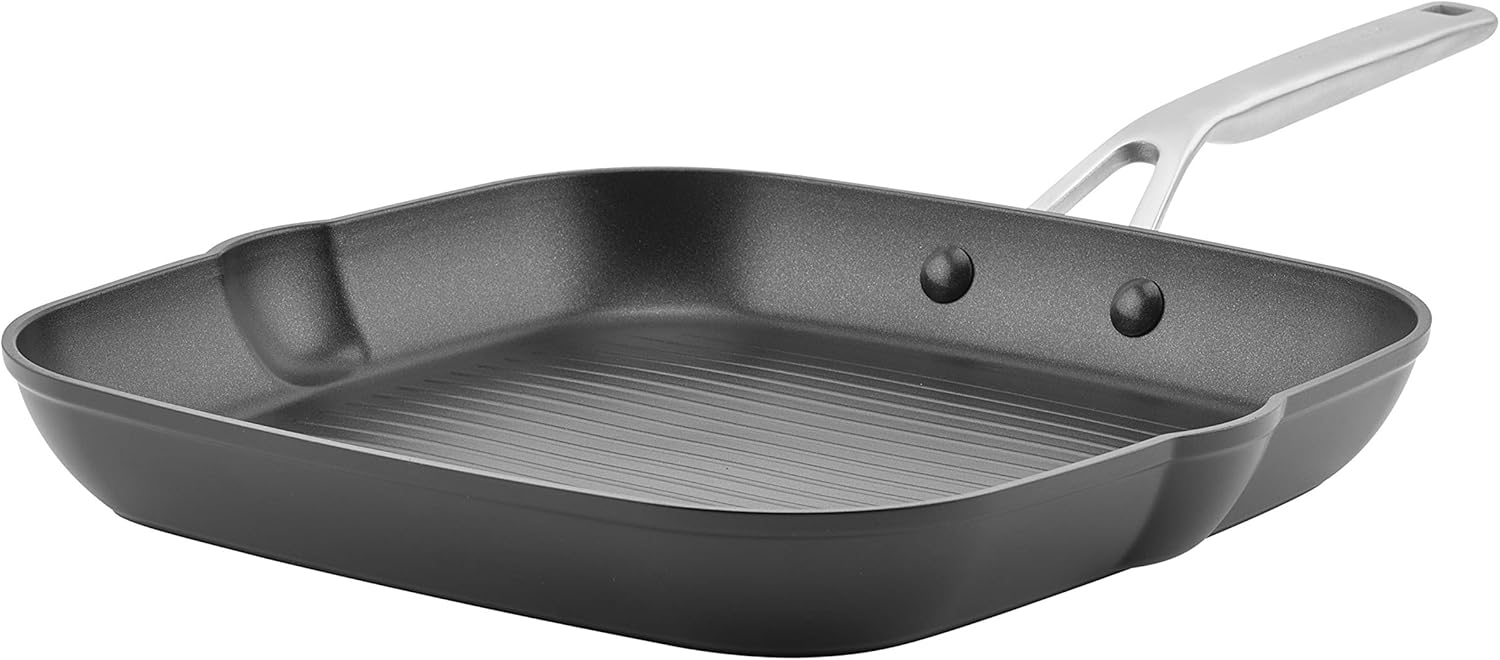
Cooking indoors with a quality grill pan for induction hob completely transforms how you prepare everyday family meals, bringing delicious seared textures and rich flavors right to your kitchen counter. Selecting the correct skillet involves carefully matching your unique cooking style, available hob size, and preferred cleanup routine to the right durable aluminum build and base design.
Modern induction-compatible options offer various ergonomic handle configurations, specialized nonstick coatings, and distinct thermal heat distribution properties. Understanding these physical attributes helps you choose a dependable pan that heats efficiently and releases food reliably without introducing unnecessary complications during preparation, cooking, or routine kitchen cleanup tasks every single day.
As an Amazon Associate, StacyLaughs earns from qualifying purchases.
Buying guide
Material and Heat Distribution
Choosing the correct material is vital when selecting a grill pan for an induction hob. Aluminum and hard anodized aluminum dominate this category because they transfer thermal energy quickly and efficiently. A thick magnetic stainless steel base ensures strong contact with induction burners, spreading heat evenly across the entire base surface for consistent cooking results.
Good heat distribution prevents frustrating hot spots that can easily burn food while leaving other areas undercooked. When pairing aluminum cookware with induction surfaces, understanding how heat radiates outward from the center helps you adjust your burner settings accurately. Selecting models with robust metallic bases guarantees reliable performance during high-heat searing tasks.
Nonstick Coating Quality
The nonstick coating dictates how easily food releases from the raised ridges and how simple the subsequent cleanup routine will be. Advanced formulations, such as dual-layer systems, medical stone finishes, or specialized Swiss ILAG treatments, allow you to cook favorite dishes with minimal oil. These protective coatings prevent delicate proteins and sticky marinades from bonding permanently to the metal base.
Protecting these nonstick layers requires strictly avoiding sharp metal utensils that can easily cause unsightly surface scratches. Opting for wooden, plastic, or silicone tools preserves the coating's functional integrity over time. Evaluating the long-term durability of the interior finish ensures your skillet maintains smooth food release properties through countless everyday meals.
Size and Hob Compatibility
Matching your grill pan dimensions to your specific hob layout prevents inefficient heating issues during meal preparation. Square models maximize corner space for arranging steaks and vegetables, while alternative shapes suit diverse storage constraints. Verifying that the pan's magnetic base aligns correctly with your induction burner guarantees proper energy transfer during operation.
Smaller pans accommodate single portions or couples effectively without taking up excessive cabinet space in the kitchen environment. Larger 11-inch versions or high-capacity options handle bigger family meals easily but require more extensive burner coverage across the glass cooktop. Always measure your cooking surface carefully before purchasing to ensure optimal physical fit and reliable thermal efficiency every single time.
Handle Design and Storage
Handle construction significantly influences how comfortably you maneuver a loaded grill pan around the kitchen. Bakelite handles offer reliable heat insulation properties, staying cool to the touch even when the cooking surface gets hot. Alternatively, dual loop side handles provide balanced lifting security for heavy aluminum plates during transport.
Detachable handles introduce an extra layer of convenience for compact storage solutions and versatile oven baking tasks. When storage space is limited, removing the handle allows the skillet to fit neatly into crowded kitchen cabinets or small ovens. Assess your available storage capacity and personal lifting preferences to choose the ideal handle configuration for your home.
Fat Drainage and Spouts
Raised ridges inside a grill pan elevate food above the base, allowing excess fats and oils to drain away safely from your meal. This design replicates traditional outdoor grilling characteristics while keeping ingredients from stewing in their own cooking liquids. Integrating dual pour spouts enhances this functionality by giving you a clear pathway to empty accumulated grease.
Pour spouts positioned on either side of the rim accommodate both left-handed and right-handed users during cleanup. When cooking fatty cuts of meat like steaks or bacon, tilting the pan to drain liquids prevents smoke accumulation. Selecting a model with well-designed channels and spouts streamlines both cooking efficiency and post-meal maintenance tasks.
Cleaning and Maintenance
Proper cleaning and routine maintenance preserve the overall lifespan of your induction grill pan. Many aluminum models feature dishwasher safe constructions for effortless cleanup, though hand washing with a soft sponge is frequently recommended to protect delicate nonstick coatings from scratching. Following specific manufacturer guidance prevents premature wear and maintains optimal cooking performance.
Avoiding abrasive scouring pads or harsh chemical cleaners protects the interior finish from permanent surface damage. Regular gentle wiping with a paper towel or warm soapy water removes most food residue effortlessly. Prioritizing routine care keeps your cookware functional and ready for daily culinary use without experiencing unexpected degradation over time and use.
Frequently asked questions
Can I use any metal grill pan on an induction hob?
Not all grill pans work on an induction hob because induction technology requires cookware with a magnetic base. While aluminum pans are popular for their lightweight and fast heating properties, they must feature a specially embedded magnetic stainless steel bottom plate to complete the circuit with an induction cooktop. Always check the manufacturer specifications to confirm induction compatibility before purchasing, ensuring your chosen skillet heats properly on your specific glass or ceramic smooth surface stove without operational issues.
How do I prevent food from sticking to my grill pan?
Preventing food from sticking starts with choosing a grill pan equipped with an effective nonstick coating, such as a dual-layer system, medical stone, or Swiss ILAG finish. Although these coatings reduce the need for excessive oil, applying a small amount of cooking oil before heating helps create an optimal barrier. Additionally, cooking on appropriate heat settings and avoiding high-temperature extremes protects the nonstick surface from degrading, ensuring smooth food release over extended periods of regular use.
Are induction grill pans safe to put in the dishwasher?
Many induction grill pans feature dishwasher safe designations in their specifications, allowing for convenient cleanup after preparing meals. However, some manufacturers recommend gentle hand washing with a soft sponge or cloth to preserve the longevity of specialized nonstick coatings. Reviewing the product care instructions provided by the manufacturer helps you determine the best cleaning method, protecting your cookware investment from harsh detergents and abrasive dishwasher cycles that might compromise the interior finish over time.
Why do grill pans have raised ridges and pour spouts?
Raised ridges inside a grill pan serve the dual purpose of elevating food to create authentic sear marks while allowing excess fats and oils to drip away into the grooves. This design promotes healthier cooking by preventing meats from absorbing rendered grease. Dual pour spouts complement this feature by providing convenient channels to drain accumulated liquids safely from the pan, reducing smoke and making post-cooking cleanup much easier for the home cook.
What is the advantage of a detachable handle on a griddle pan?
A detachable handle offers significant versatility, particularly when storage space inside your kitchen cabinets is limited. By removing the handle, the rectangular griddle pan can fit snugly into tight spaces, small ovens, or crowded dishwashers. This design also enhances safety and flexibility when transitioning food from the stovetop into an oven for baking or broiling tasks, allowing you to handle high-temperature recipes without awkward handle obstructions or storage complications during daily meal preparation routines.