Appliances · Buying Guide
Best Grill Pan for Vegetables: Stainless Options for Outdoor BBQ
Cooking vegetables over an open flame adds distinct smoky flavors, but small pieces often slip through standard grill grates. Using a dedicated grill pan designed for vegetables solves this common problem by safely containing sliced produce while allowing direct heat and smoke to circulate freely around every individual piece during outdoor cooking sessions.
Choosing the right pan depends heavily on your grill size, the volume of food you prepare, and preferred materials such as stainless steel or treated non-stick surfaces. Whether you need a multi-pack for large family meals or a single heavy-duty tray, understanding these physical design differences ensures you select a reliable tool for your setup.
As an Amazon Associate, StacyLaughs earns from qualifying purchases.
Buying guide
Material Composition and Durability
Selecting the right material for your grill pan determines how well it handles intense outdoor heat and resists long-term wear during frequent barbecue sessions. Stainless steel remains a popular choice because it offers strong heat retention, naturally resists rust, and withstands high cooking temperatures without structural warping. Heavy-duty steel gauges provide extra stability when fully loaded with dense vegetables.
Non-stick coatings offer another functional alternative, easing food release and cleanup, though they often require strict maximum operating temperatures to avoid surface damage over time. Consider how frequently you grill and whether you prefer low-maintenance metal surfaces or protective non-stick layers to ensure your cookware lasts for years.
Size and Grill Compatibility
Matching the physical dimensions of your grill pan to your specific outdoor cooking appliance is essential for safe, efficient operation. Measure your primary cooking grate surface before purchasing to ensure the pan sits completely flat without interfering with the grill lid closing properly. Large rectangular baskets require expansive gas or charcoal grills, whereas smaller options fit compact portable setups.
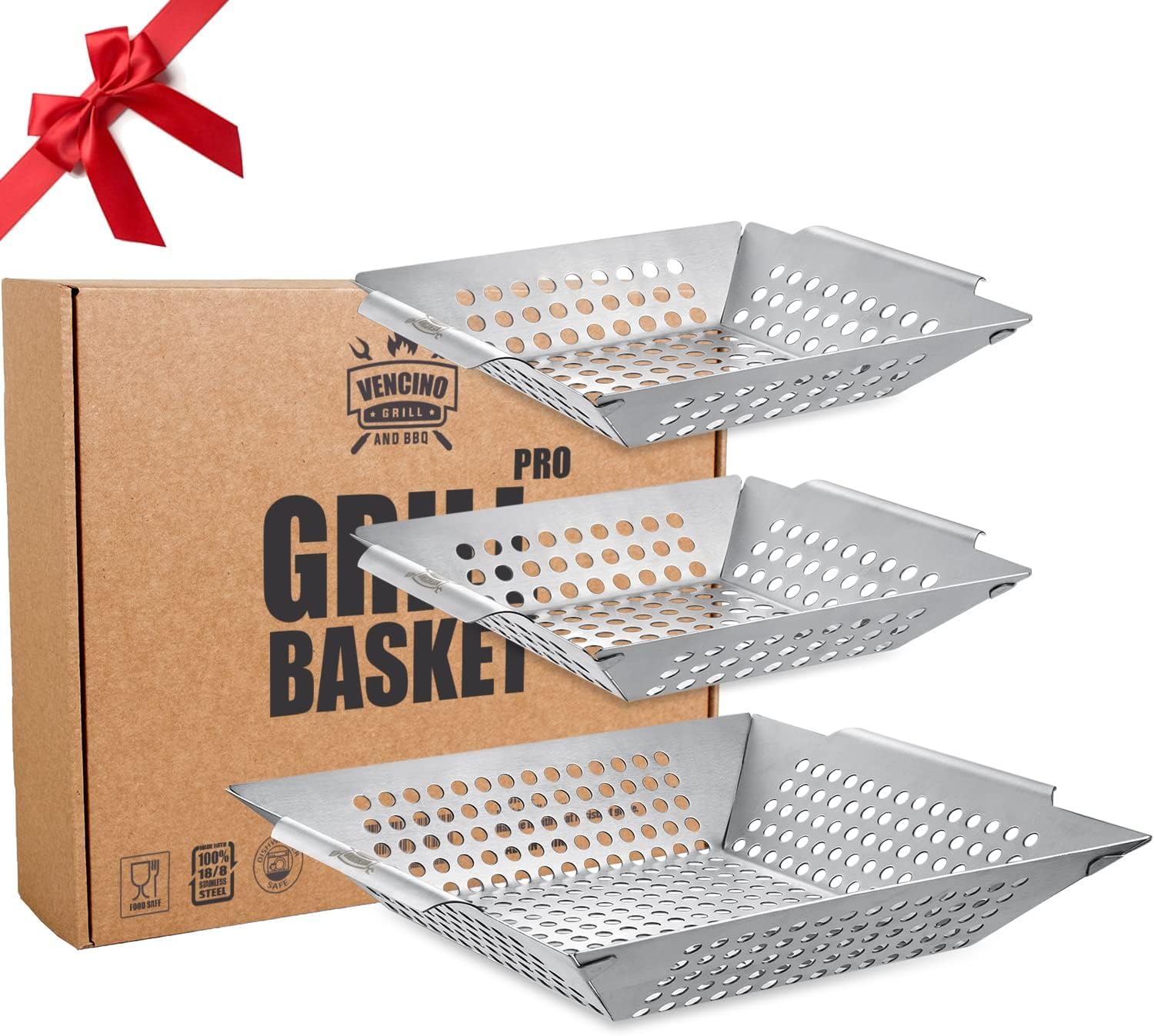
Multi-pack configurations allow you to distribute food across different heat zones, but they demand significantly more total surface area. Always verify that your chosen pan leaves enough open grate space if you plan to cook proteins alongside your roasted vegetables during the exact same meal preparation routine.
Perforation Design and Food Safety
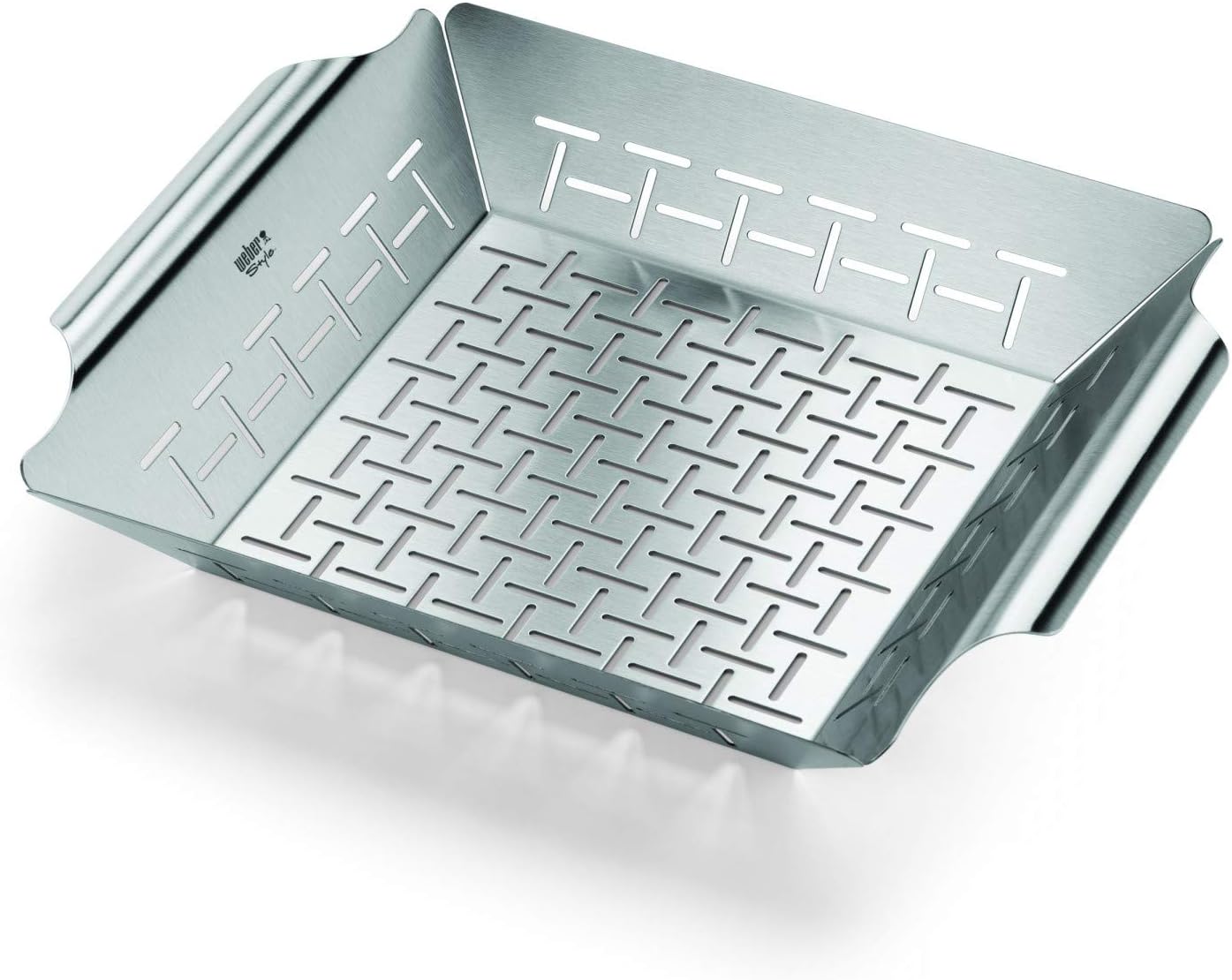
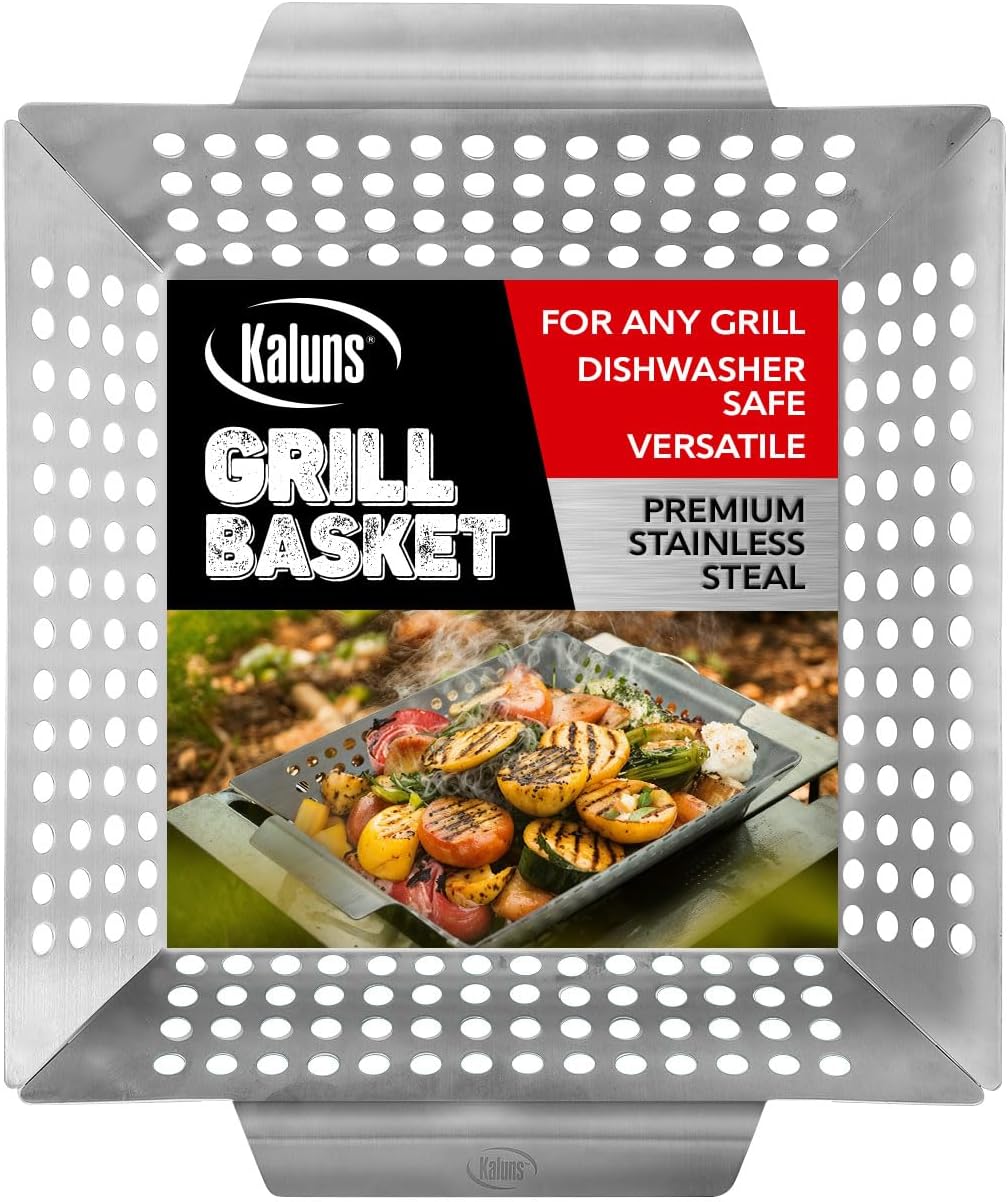
The size and pattern of perforations in a grill pan directly influence your overall cooking performance and food containment. Small holes or narrow slits prevent diced vegetables, shrimp, and sliced garlic from falling through into the open flames below. At the same time, these engineered cutouts let hot air and smoky barbecue flavors circulate freely around every piece.
Raised edges are equally important for practical success, keeping food securely contained when you stir, mix, or toss ingredients with tongs. Pans with shallow walls make active tossing difficult and increase the likelihood of accidental spills onto your burners or hot charcoal bed during busy cooking sessions.
Handle Design and Ergonomic Control
Handling a heavy metal pan filled with hot food requires secure, well-designed handles for safety and convenience. Look for wide, curved, or extended handles that provide a firm grip, even when you are wearing thick protective barbecue mitts. Proper ergonomic placement helps you lift the loaded basket safely from the hot grates without tilting or losing balance.
Some pans feature integrated side handles that minimize storage bulk inside kitchen cabinets, while others offer longer grips that keep your hands farther away from direct radiant heat sources. Consider your personal lifting strength and grill layout when carefully deciding between compact tabs and extended handle styles for your outdoor cooking.
Cleanup and Maintenance Requirements
Cleaning up after an outdoor barbecue can often feel tedious, making cookware maintenance an important purchasing factor for busy households. Stainless steel models frequently withstand dishwasher cycles or aggressive scrubbing with scouring pads, saving valuable time after large family dinners. Hand-wash-only pans require gentler cleaning routines to preserve specialized surface finishes over years of use.
Non-stick coated surfaces demand careful washing to avoid scratching the delicate finish with abrasive cleaning tools or harsh detergents. Reviewing manufacturer care guidelines before buying ensures you select a pan that matches your preferred cleaning habits, whether you rely on automated dishwasher appliances or traditional manual kitchen sink washing.
Capacity and Meal Volume Needs
Carefully evaluating how much food you typically prepare helps determine the ideal capacity and layout for your vegetable grill pan. Single-batch trays work well for couples or small families, while multi-pack sets accommodate diverse menus by separating different ingredients simultaneously on the grates. Large single baskets handle substantial vegetable side dishes for big backyard gatherings easily and efficiently.
Oversized pans maximize your cooking output but require significant storage space in your garage or kitchen cupboards. Balancing your typical serving sizes with available storage room ensures you choose a versatile tool that meets your outdoor cooking needs without creating any unnecessary household clutter over time.
Frequently asked questions
Can I use a stainless steel vegetable grill pan on both gas and charcoal grills?
Yes, stainless steel vegetable grill pans are designed to be versatile and compatible with both gas and charcoal grills. The durable metal construction withstands direct exposure to open flames and high radiant heat from charcoal or gas burners. When placing the pan on your grill, ensure the cooking grates are stable and clean so the tray sits flat. Always follow manufacturer guidelines regarding maximum temperature limits if your specific model includes a non-stick coating or specialized finish.
How do I prevent vegetables from sticking to a stainless steel grill pan?
While stainless steel naturally resists rust and handles high heat, food can occasionally stick if the surface is completely dry. To minimize sticking, lightly coat your chopped vegetables in cooking oil before placing them into the preheated basket. You can also brush a small amount of high-smoke-point oil directly onto the clean surface of the pan prior to adding your ingredients. Regular stirring during the grilling process further prevents localized sticking and promotes even caramelization.
Are stainless steel grill baskets dishwasher safe or do they require hand washing?
Cleaning requirements vary depending on the specific model and finish of your grill pan. Many heavy-duty stainless steel baskets feature dishwasher-safe construction, allowing you to place them directly into the appliance after they cool down completely. However, some pans—especially those with specialized non-stick coatings or specific manufacturer recommendations—require hand washing with warm soapy water and a non-abrasive sponge. Checking the product specifications beforehand ensures you maintain the finish correctly.
What is the benefit of raised edges on a vegetable grill pan?
Raised edges serve a vital practical purpose by keeping your sliced vegetables, shrimp, and smaller food items securely inside the basket during cooking. When you use tongs or a spatula to stir, mix, or toss your food, high walls prevent pieces from sliding off the edge and falling through the grates into the fire. This design feature maximizes your food yield and makes active outdoor cooking much easier without losing precious ingredients.
Do I need a multi-pack grill basket set or is a single pan sufficient?
Choosing between a multi-pack set and a single pan depends entirely on your cooking habits and the variety of foods you prepare. A single large basket works well if you typically cook one unified vegetable side dish for your household. Multi-pack sets are ideal when you want to grill different ingredients simultaneously, such as separating spicy vegetables from mild ones or cooking meats and veggies at the same time across distinct zones.