Appliances · Buying Guide
Best Hand Hammered Carbon Steel Wok Choices for Authentic Cooking
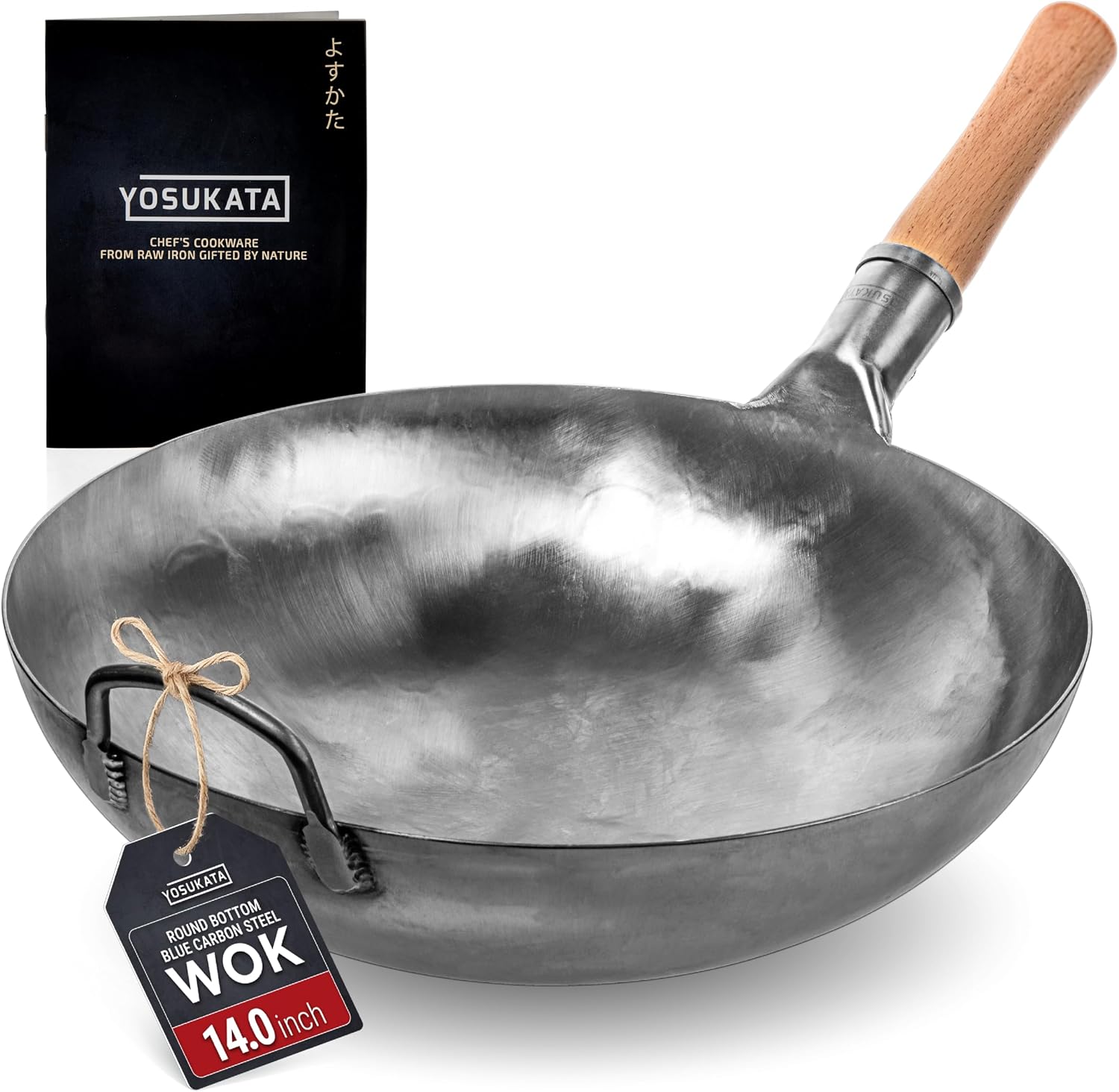
Selecting a traditional hand hammered carbon steel wok brings authentic high-heat cooking performance directly to your home kitchen or outdoor cooking area. These durable utensils rely on dense, responsive metal construction to distribute heat efficiently across the entire cooking surface, allowing you to achieve traditional restaurant-style wok hei, reliable searing, and versatile meal preparation for family gatherings and everyday dinners.
Because these specialized pans often feature traditional round-bottom profiles, heavy-duty gauges, and diverse handle materials, understanding the physical distinctions between available options ensures you select a model well-suited to your specific gas burner setup, preferred seasoning routine, and household portion requirements. Careful comparison of included accessories and physical weight helps align your purchase with daily kitchen habits.
As an Amazon Associate, StacyLaughs earns from qualifying purchases.
Buying guide
Material Thickness and Gauge
When evaluating a hand hammered carbon steel wok, metal thickness plays a central role in how the pan handles high heat. Thicker gauges, such as 15-gauge or 1.8-millimeter options, provide superior heat retention and long-term durability. They actively prevent warping when exposed to intense burner flames, making them reliable choices for heavy stir-frying, searing, and outdoor cooking sessions.
However, heavier steel also increases the overall physical weight of the cookware. If you prefer quick, effortless tossing motions, a slightly lighter pan might reduce arm fatigue during extended cooking sessions while still delivering dependable thermal performance for your favorite Asian dishes and family meals.
Bottom Shape and Stovetop Compatibility
Stovetop compatibility is largely determined by whether a wok features a round bottom or a flat bottom profile. Traditional round-bottom woks require an open flame, gas burner, or a dedicated support ring to remain stable during use. They allow rounded utensils to glide smoothly along the curves without missing food particles during rapid tossing.
In contrast, flat-bottom woks sit securely on electric coil, glass ceramic, and induction ranges. While they sacrifice traditional round tossing arcs, they offer stable flat contact and even heat distribution for home cooks who lack gas service, ensuring broad everyday versatility across various modern kitchen appliances.
Seasoning Requirements and Surface Finishes
Understanding surface treatment is vital for maintaining a carbon steel pan over years of regular use. Many traditional woks arrive completely unseasoned, requiring an initial high-heat pre-seasoning process where oil is baked into the metal to build a natural, non-toxic non-stick patina. This hands-on process ensures long-term performance and prevents food from sticking.
Alternatively, pre-seasoned or nitrided surfaces arrive ready to cook right out of the box, skipping the initial intensive heating steps. Regardless of the factory finish, proper post-cooking maintenance—such as cleaning promptly after meals, drying thoroughly, and applying a light coat of oil—remains completely essential to prevent rust.
Handle Design and Ergonomic Comfort
Handle construction directly impacts safety and maneuverability during high-temperature cooking tasks in busy kitchens. Ergonomic wooden handles offer a secure, heat-resistant grip that stays comfortable during stove use, while steel helper handles provide essential physical support when lifting heavy, food-filled pans. Some models feature securely welded joints for wobble-free performance, while others rely on manual screw installation.
When choosing a wok, carefully consider whether you prefer a fixed welded handle or a wooden grip that requires minor manual assembly. Checking handle length and overall balance ensures you can comfortably manage the pan during vigorous stir-frying routines without experiencing unexpected wrist strain.
Capacity and Household Portion Size
Matching the capacity of your carbon steel wok to your household size prevents overcrowding during meal preparation. Smaller 10.5-inch models excel at quick single-portion meals, boiling small batches of pasta, or steaming dumplings in compact kitchens. Meanwhile, larger 14-inch woks provide expansive cooking surfaces ideal for serving four to six hungry people during family gatherings.
Selecting a larger wok ensures you have enough room to toss ingredients vigorously without spilling over the rim onto your stove. However, larger pans demand more storage space and cabinet clearance, making it important to carefully balance your household portion requirements with available kitchen storage limitations.
Included Accessories and Lid Options
Certain carbon steel wok packages include helpful accessories like wooden spatulas, stainless steel ladles, cleaning brushes, support rings, and metal drain racks. These bundled extras provide immediate utility, allowing you to start cooking right away without purchasing separate kitchen tools. Other models focus purely on the standalone pan and handle configuration.
Additionally, deciding between an open-flame pan and a model featuring a tempered glass lid changes your overall cooking style. Glass lids allow you to trap moisture for braising and steaming vegetables, whereas open woks prioritize traditional searing and fast liquid evaporation during high-heat stir frying tasks.
Frequently asked questions
Do carbon steel woks require seasoning before the first use?
Many traditional carbon steel woks arrive unseasoned and require an initial high-heat pre-seasoning process where oil is heated across the metal surface to build a protective, non-stick patina. This important step prevents food from sticking and protects the steel from rust. However, some modern models feature pre-seasoned or nitrided surfaces that let you skip intensive initial heating, allowing you to simply rinse the pan and start cooking immediately while still following proper post-cooking drying and oiling routines for ongoing maintenance.
Can I use a round-bottom wok on an electric or induction stove?
Traditional round-bottom carbon steel woks are specifically designed for gas stovetops and open flames. Because of their curved profiles, they cannot maintain stable contact with flat electric coil, smooth glass ceramic, or flat induction cooktops unless used with a compatible metal support ring. If your kitchen relies entirely on flat electric or induction ranges, you should select a specialized flat-bottom wok model that sits squarely on the surface to ensure even heat distribution and prevent wobbling during meal preparation.
How do I clean and maintain my hand hammered carbon steel wok?
Proper daily maintenance is essential to keep your carbon steel wok in top condition and prevent rust formation. After cooking, wash the pan promptly using warm water without harsh chemical detergents that could strip the seasoned patina. Dry the wok thoroughly immediately after washing, preferably by placing it over low heat on a burner to evaporate all residual moisture. Finish by applying a very thin layer of cooking oil across the interior surface with a paper towel before storing.
Why are some carbon steel woks heavier than others?
The weight of a carbon steel wok is primarily determined by the thickness of the metal gauge used in its construction. Heavy-duty woks featuring 15-gauge or 1.8-millimeter steel provide superior heat retention and exceptional resistance to warping under extreme temperatures, but their increased physical mass can cause arm fatigue during extended tossing sessions. Lighter models offer easier maneuverability and faster handling, though they may lack the robust durability and thermal mass preferred by professional chefs.
Are accessories like glass lids and spatulas necessary for wok cooking?
Included accessories and lids are not strictly required for basic stir-frying, but they add significant versatility to your cooking routine. Tempered glass lids help trap moisture and allow you to monitor simmering foods when braising or steaming vegetables and dumplings. Bundled tools like wooden spatulas, ladles, and drain racks provide immediate convenience so you do not need to purchase separate utensils. However, if you already own suitable cooking tools, choosing a standalone pan is a practical option.