Appliances · Buying Guide
Best Hard Anodized Frying Pan Options for Every Kitchen
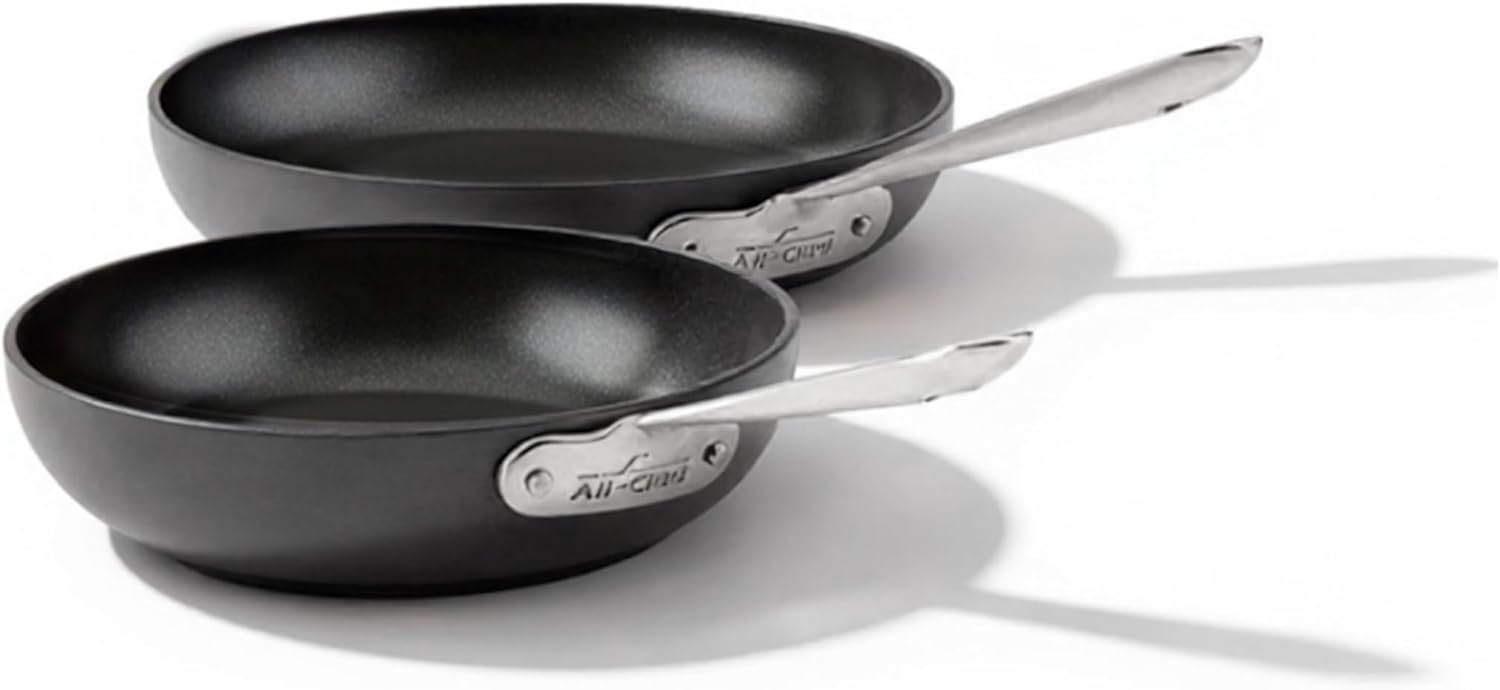
Investing in a quality hard anodized frying pan brings durable aluminum construction and rapid, even heat distribution directly to your everyday cooking tasks. These versatile kitchen staples handle everything from delicate morning eggs to hearty seared meats with exceptional ease, offering dependable performance across standard stovetop burners while resisting everyday wear and structural warping under heat.
Different manufacturer collections offer varying sizes, handle configurations, and stovetop compatibilities, including specialized options for modern magnetic induction surfaces and high-heat oven baking. Reviewing individual product specifications, oven temperature limits, and maintenance requirements helps home cooks match the right skillet to their specific meal preparation habits, household size, and kitchen setup for reliable long-term satisfaction.
As an Amazon Associate, StacyLaughs earns from qualifying purchases.
Buying guide
Material Construction and Heating
Hard-anodized aluminum forms the core of quality frying pans, delivering durability alongside rapid thermal conductivity. The specialized electrochemical treatment hardens the base metal, producing a tough exterior that resists everyday wear, corrosion, and structural warping under heat. This dense construction guarantees that thermal energy spreads evenly across the cooking surface, eliminating hot spots that can scorch delicate ingredients like eggs or fish fillets.
When selecting cookware, assessing the thickness of the pan base remains vital for consistent cooking results. Thicker forged aluminum bases retain heat efficiently, which is beneficial for achieving deep browning on meats and vegetables. While aluminum provides comfortable handling, hard-anodized versions add structural integrity. Manufacturers frequently reinforce these bases with stainless steel layers to support versatile compatibility across diverse stovetop types, including advanced magnetic induction ranges.
Nonstick Surface Technologies
Modern hard anodized frying pans utilize advanced nonstick coatings to simplify cooking and cleanup tasks. These interior layers prevent food from bonding to the metal, allowing eggs, cheeses, and sticky sauces to slide off effortlessly with minimal oil. Technologies such as titanium-infused finishes or textured raised circles enhance durability, helping the nonstick properties endure regular friction from spatulas and daily washing cycles without failing prematurely.
Maintaining these specialized coatings often requires mindful everyday habits, such as using silicone, nylon, or wooden utensils instead of sharp metal tools. While many models are labeled as dishwasher safe, hand washing with gentle soap and a soft sponge frequently extends the functional lifespan of the nonstick layer. Reviewing manufacturer care guidelines ensures your frying pan retains its smooth food release performance through countless breakfast, lunch, and dinner preparations.
Stovetop and Induction Compatibility
Before purchasing any frying pan, verifying your kitchen stove type is an essential preparatory step. Traditional hard-anodized aluminum pans work exceptionally well on gas, electric coil, and smooth ceramic cooktops, distributing heat uniformly across standard burners. However, bare aluminum lacks the magnetic properties required for induction ranges. Households using induction cooktops must seek out specific models featuring bonded stainless steel induction plates embedded in the bottom.
Checking compatibility specifications prevents purchasing cookware that will fail to heat on magnetic surfaces. Some manufacturers design their pans exclusively for traditional heating elements, while others engineer multi-material bases that function universally across gas, electric, glass, and induction hobs alike. Matching your cookware selection to your specific kitchen setup guarantees optimal heating efficiency and avoids frustrating operational incompatibilities when preparing meals at home.
Handle Ergonomics and Safety
Handle design significantly influences comfort and safety while maneuvering a loaded frying pan around the kitchen. Long stainless steel handles often feature ergonomic contours or stay-cool properties designed to minimize heat transfer during standard stovetop cooking. Dual-rivet construction secures these handles firmly to the pan body, preventing wobble and ensuring steady control when transferring heavy skillets filled with food from burners to countertops.
Some handles incorporate silicone grips to enhance tactile comfort and provide a secure, slip-resistant hold during busy meal preparation sessions. When evaluating handle materials, consider how you typically cook and whether your recipes frequently transition from stovetop burners directly into hot ovens. Ensuring the handle materials and grips withstand your preferred cooking temperatures guarantees safe handling during baking, broiling, and high-heat stovetop searing tasks.
Oven Safety and Thermal Limits
Many hard anodized frying pans offer the convenience of transitioning seamlessly from stovetop searing to oven finishing. However, thermal limits vary widely depending on handle construction, lid materials, and manufacturer engineering. Standard pans frequently withstand oven temperatures up to 400 or 450 degrees Fahrenheit, while more robust models tolerate heat up to 500 degrees Fahrenheit for intensive baking and roasting applications.
If your chosen frying pan includes a glass lid, pay close attention to its specific maximum temperature rating, as glass components often feature lower thermal tolerances than the metal pan body. Exceeding these specified temperature thresholds can compromise the structural integrity of lids or degrade nonstick coatings. Checking these thresholds beforehand ensures safe and successful execution of complex recipes requiring dual heating environments.
Sizing and Set Configurations
Choosing the correct pan size or set configuration depends heavily on your household size and typical cooking repertoire. Smaller 8-inch frying pans excel at cooking single-serving items like morning eggs, grilled cheeses, or small vegetable side dishes. Larger 10-inch, 10.25-inch, and 12-inch skillets provide the expansive surface area necessary for sautéing vegetables, searing multi-person steaks, or frying generous fish fillets without overcrowding the cooking base.
Purchasing multi-piece cookware sets or deep skillets with included lids offers comprehensive utility for diverse culinary tasks, ranging from quick frying to simmering saucy one-pan meals. Assessing your daily meal preparation habits helps determine whether a compact single pan suffices or if a multi-size collection better addresses your kitchen demands. Prioritizing versatile dimensions ensures your cookware investment adapts smoothly to varied recipes over time.
Frequently asked questions
Can hard anodized frying pans be used on induction cooktops?
Compatibility depends entirely on the specific product design and base construction. While classic hard-anodized aluminum lacks the magnetic properties needed for magnetic induction, many modern frying pans feature an optimized stainless steel base bonded to the bottom. This specialized reinforcement allows the cookware to function efficiently on smooth surface induction cooktops alongside traditional gas and electric burners. Always check the manufacturer specifications before purchasing to confirm whether a particular pan supports induction heating.
Are hard anodized frying pans safe to clean in the dishwasher?
Many hard-anodized frying pans are officially certified or listed as dishwasher safe by manufacturers for convenient cleanup. However, running cookware through aggressive dishwasher cycles with harsh detergents can gradually dull exterior finishes and degrade nonstick coatings over extended periods. To maximize the lifespan of your nonstick surface, manufacturers frequently recommend hand washing the pan using warm soapy water, a mild sponge, and non-abrasive utensils. Balancing convenience with careful maintenance helps preserve optimal cooking performance.
What utensils should I use with nonstick hard anodized pans?
Protecting the delicate nonstick interior coating requires using appropriate kitchen utensils during food preparation. It is best to choose tools crafted from silicone, nylon, wood, or heat-resistant plastic when flipping, stirring, or serving food. Sharp metal forks, spatulas, and knives should be strictly avoided, as metal edges can easily scratch, gouge, or chip the nonstick layer. Selecting soft-edged utensils ensures your frying pan maintains smooth food release characteristics and prevents premature wear on the cooking surface.
What is the maximum oven safe temperature for these pans?
Maximum oven safe temperatures vary significantly across different frying pan models and brands. Some skillets withstand heat up to 400 degrees Fahrenheit, while others handle temperatures reaching 450 or 500 degrees Fahrenheit. Furthermore, if your cookware includes accessories like glass lids or silicone handle grips, those individual components often feature lower thermal limits than the metal pan body itself. Always verify the specific manufacturer ratings for both the pan and its lids before placing them inside an oven.
Why do some pans include a heat indicator feature?
Certain frying pan models incorporate specialized heat indicator technology, such as a thermal spot on the cooking surface that changes appearance when properly preheated. This visual cue takes the guesswork out of starting recipes by signaling the exact moment the pan reaches the ideal cooking temperature for searing or frying. Preheating the pan correctly helps ensure optimal food texture and prevents overheating, contributing to consistent cooking results across various everyday meal preparation routines.