Appliances · Buying Guide
Best Non Stick Frying Pan Options for Everyday Home Cooking
Finding the right nonstick frying pan involves balancing material construction, stovetop compatibility, and daily cleaning requirements. Manufacturers offer various surface types, including granite coatings, natural ceramic layers, and stainless steel hybrid designs. Each style brings distinct thermal properties, weight profiles, and maintenance needs to your kitchen setup, helping you manage everyday cooking tasks efficiently without excessive oil usage.
Choosing a suitable skillet depends heavily on what you typically cook, whether it involves delicate eggs, high-heat meat searing, or multi-person family meals. Reviewing core specifications like diameter size, material composition, and handle design helps match a cookware piece to your specific cooking routines, storage space, and stovetop type. Evaluating these physical attributes ensures practical satisfaction over years of regular use.
As an Amazon Associate, StacyLaughs earns from qualifying purchases.
Buying guide
Surface Material Construction
Evaluating surface materials helps determine how a frying pan handles daily cooking tasks, heat distribution, and food release. Options range from granite and natural ceramic coatings to physical honeycomb stainless steel textures. Each material responds differently to cooking oils, heat levels, and cleaning implements, directly shaping your overall kitchen experience and long-term durability.
Granite and ceramic surfaces offer smooth food sliding with minimal oil usage during egg or vegetable prep. Stainless steel hybrid designs rely on textured metal patterns instead of chemical layers for durability. Consider your preferred cooking style, dietary preferences, and maintenance habits when comparing these distinct construction methods to find a suitable match.
Stovetop and Induction Compatibility
Matching your cookware to your kitchen heat source is essential for proper thermal performance. Many modern skillets feature high magnetic conductive stainless steel bases or heavy cast aluminum plates designed to work across gas, electric coil, and smooth surface induction cooktops. Verifying these compatibility details prevents uneven heating or non-functional stovetop encounters during meal preparation.
Induction cooktops specifically require magnetic metal bases to generate heat efficiently. Pans built with specialized bonded plates or full stainless steel layers deliver stable performance on magnetic burners. Reviewing your specific stovetop type before selecting a frying pan ensures reliable daily operation and consistent cooking results across all meals.
Size and Capacity Selection
Choosing the correct pan diameter and volume capacity depends heavily on your household size and typical meal types. Compact 8-inch or 9.5-inch skillets excel at single-serving eggs, quick breakfasts, and small side dishes. Larger 12-inch pans accommodate multi-person family meals, bulky ingredients, and extensive batch cooking sessions without crowding the ingredients.
Think about your available storage space and cabinet dimensions alongside your cooking volume needs. Multi-pan sets provide size versatility for varied recipes but require more room to store safely. Balancing physical pan dimensions with your daily serving requirements prevents storage clutter and ensures efficient meal preparation.
Handle Design and Ergonomics
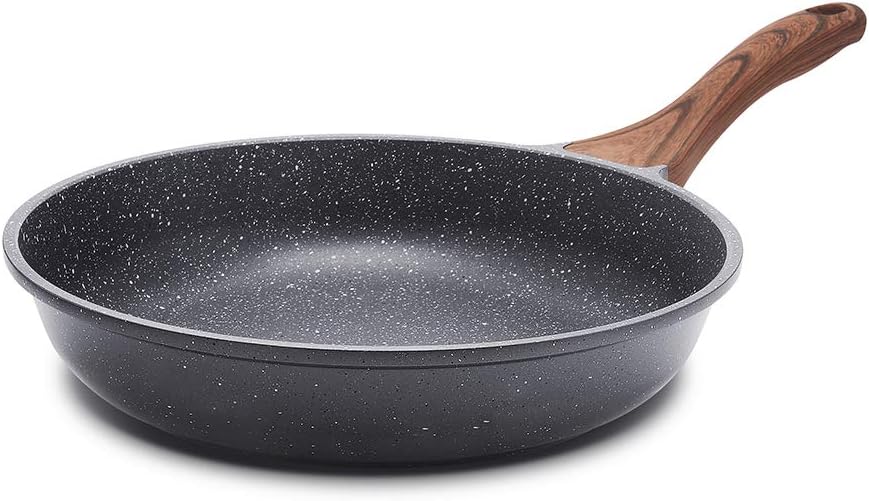
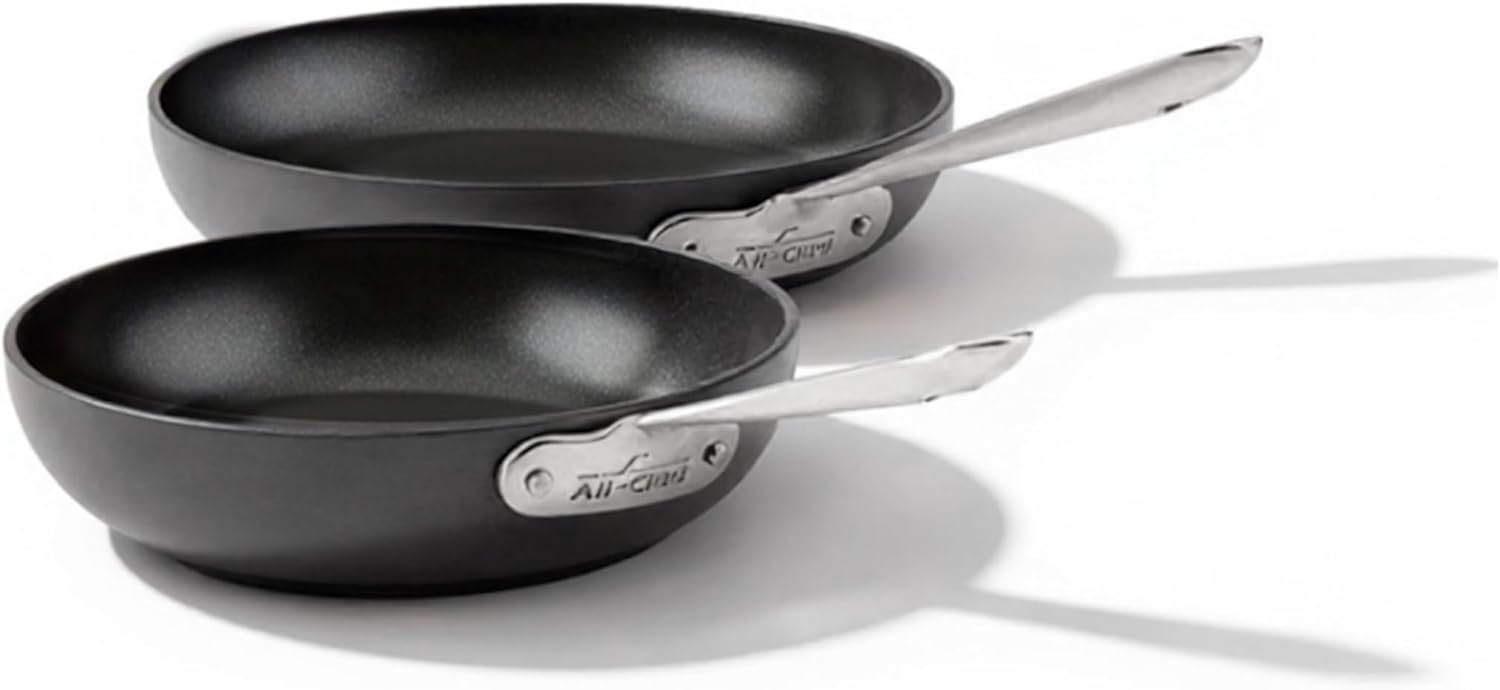
Handle construction significantly impacts comfort, safety, and maneuverability during active cooking sessions. Many skillets feature stay-cool bakelite handles or double-riveted stainless steel grips designed for secure handling. Woodgrain bakelite options provide a comfortable, heat-resistant grip on the stovetop, while metal handles offer high-temperature oven durability when transitioning meals.
Storage features like integrated hanging holes on bakelite handles allow for convenient wall or rack placement in compact kitchens. Consider whether you prefer a fixed grip for stovetop control or a removable handle design that facilitates high-heat oven baking tasks up to 550 degrees Fahrenheit.
Oven Safety and Temperature Limits
Many frying pans allow for seamless transitions from stovetop searing to oven finishing, provided you respect manufacturer temperature limits. Skillets featuring stainless steel handles or removable components often withstand high heat ranging from 500 up to 750 degrees Fahrenheit. Always check specific threshold ratings before transferring cookware into hot ovens.
Bakelite or wood-designed handles typically carry lower thermal thresholds or require complete handle removal before oven exposure. Matching your baking habits to the pan temperature specifications prevents material degradation and keeps your cookware functioning safely across diverse baking and roasting recipes.
Cleaning and Maintenance Requirements
Understanding proper cleaning routines helps preserve nonstick coatings and metal finishes over years of regular use. Many granite and ceramic pans support quick wiping with a paper towel or gentle rinsing with warm soapy water. Dishwasher safety specifications vary by model, and hand washing is frequently recommended to extend surface life.
Stainless steel hybrid designs often benefit from cooling periods and short warm water soak times to soften stuck residue without abrasive scrubbing pads. Following manufacturer maintenance guidelines ensures your frying pan maintains its functional release performance and structural integrity through countless daily meals.
Frequently asked questions
Can I use metal utensils on nonstick frying pans?
Using metal utensils on coated nonstick frying pans is generally discouraged because sharp edges can scratch or peel the surface layer. Most manufacturers recommend sticking to silicone, nylon, or wooden utensils to protect granite, ceramic, and PTFE coatings from premature wear. For uncoated stainless steel hybrid pans featuring laser-etched honeycomb textures, physical durability is higher, but checking specific manufacturer guidelines remains the safest approach to maintain long-term cooking performance and prevent unwanted surface damage.
Are these frying pans compatible with induction cooktops?
Compatibility varies depending on the specific model construction, so reviewing individual specifications is essential. Several options featured here include high magnetic conductive stainless steel bases, heavy-duty cast aluminum induction plates, or full 3-ply metal structures engineered specifically for induction cooktop use. Models equipped with these magnetic bases function smoothly on gas, electric coil, and smooth surface induction burners. Always verify that your chosen skillet lists induction compatibility before purchasing it for an induction kitchen setup.
How should I clean my nonstick frying pan after cooking?
Cleaning methods depend on the pan's material and coating type. Many granite and ceramic nonstick skillets feature smooth surfaces that wipe clean easily with a paper towel or rinse in seconds under running water using mild soap. While several models list dishwasher safety, hand washing with a soft sponge is frequently recommended by manufacturers to extend the lifespan of the nonstick coating. For stainless steel hybrid pans, allowing the skillet to cool completely before soaking in warm water helps soften stubborn residue.
Can these frying pans be used safely inside an oven?
Oven safety depends heavily on the materials used for the pan body and, crucially, the handle construction. Certain stainless steel hybrid and hard-anodized models withstand high oven temperatures up to 500 or 750 degrees Fahrenheit with their handles attached. Other pans featuring bakelite handles have lower heat limits or require you to remove the handle before placing the skillet into a hot oven. Always consult the specific manufacturer temperature threshold guidelines for your exact model prior to baking.
What is the advantage of a stainless steel hybrid pan over a coated pan?
Stainless steel hybrid pans feature a precision laser-etched honeycomb interior structure rather than a chemical nonstick coating. This design creates a physical steam cushion between the food and the pan surface to prevent sticking, eliminating concerns about chemical coatings peeling or flaking off at high heat. While traditional coated pans offer effortless food release with minimal oil right out of the box, durable stainless hybrid models provide higher heat resistance, metal utensil tolerance, and long-term structural longevity for rigorous cooking tasks.