Appliances · Buying Guide
Best Healthiest Stainless Steel Cookware for Safe Home Cooking
Choosing cooking equipment requires looking closely at base materials, build quality, and heat distribution across everyday pots and pans. Many home cooks actively seek options featuring coating-free stainless steel surfaces to avoid peeling chemical layers while preparing daily family meals on gas, electric, or induction stovetops. Understanding how these metals interact with heat is essential for everyday kitchen success and long-term reliability.
Evaluating different multi-ply configurations helps match your kitchen setup with specific stovetop compatibility, oven temperature limits, and daily cleanup preferences. Reviewing these selections highlights distinct construction styles, handle designs, and component counts tailored for diverse cooking habits, helping you choose practical kitchen tools that integrate smoothly into your existing culinary routine without unnecessary complications.
As an Amazon Associate, StacyLaughs earns from qualifying purchases.
Buying guide
Construction Methods and Metal Layers
Choosing the right metal configuration dictates how evenly your pots and pans manage heat during daily meal preparation. Fully clad models extend pure aluminum layers through both the base and sidewalls, eliminating hot spots entirely across the cooking vessel. This continuous metal bonding provides quick thermal responses when adjusting burner temperatures during delicate simmering or sauce reduction tasks in your kitchen.
Alternatively, impact-bonded bases feature a thick aluminum disc attached solely to the bottom surface of the cookware. While this design supports efficient browning and searing on standard burners, sidewalls rely on single-layer steel conduction. Reviewing your cooking style helps determine whether you need all-around cladding or if a bonded base sufficiently meets your everyday recipe requirements without extra bulk.
Coating-Free Cookware Surfaces
Selecting stainless steel ensures your food contacts solid metal rather than synthetic nonstick layers. This coating-free approach eliminates worries about flaking coatings or chemical degradation over years of heavy use. You can safely preheat pots and deglaze hot pans with liquids to release flavorful pan fond without damaging any delicate surface treatments or chemical nonstick coatings.
Mastering these metal surfaces requires a brief learning curve involving proper preheating techniques and oil application. Unlike nonstick pans, stainless steel benefits from letting cooking oil heat up before adding ingredients. Embracing this method ensures reliable food release while preserving the durable, non-toxic nature of your kitchen investment across countless family meals and recipes.
Stovetop and Oven Compatibility
Modern cookware must adapt to diverse kitchen ranges, including gas, electric, induction, and glass-ceramic cooktops across your home. Magnetic stainless steel outer layers allow pots to function seamlessly on advanced induction burners. Checking bottom flatness also ensures optimal contact across smooth glass cooktops to maximize heating efficiency during routine meal preparation and cooking sessions.
Transitioning meals from stovetop burners directly to the oven represents another vital capability for roasting and baking recipes. Cookware sets specify maximum temperature limits, ranging from moderate oven settings up to extreme high-heat thresholds. Matching these limits to your baking habits prevents material warping and protects handles during high-temperature cooking tasks and roasting procedures.
Handle Design and Heat Management
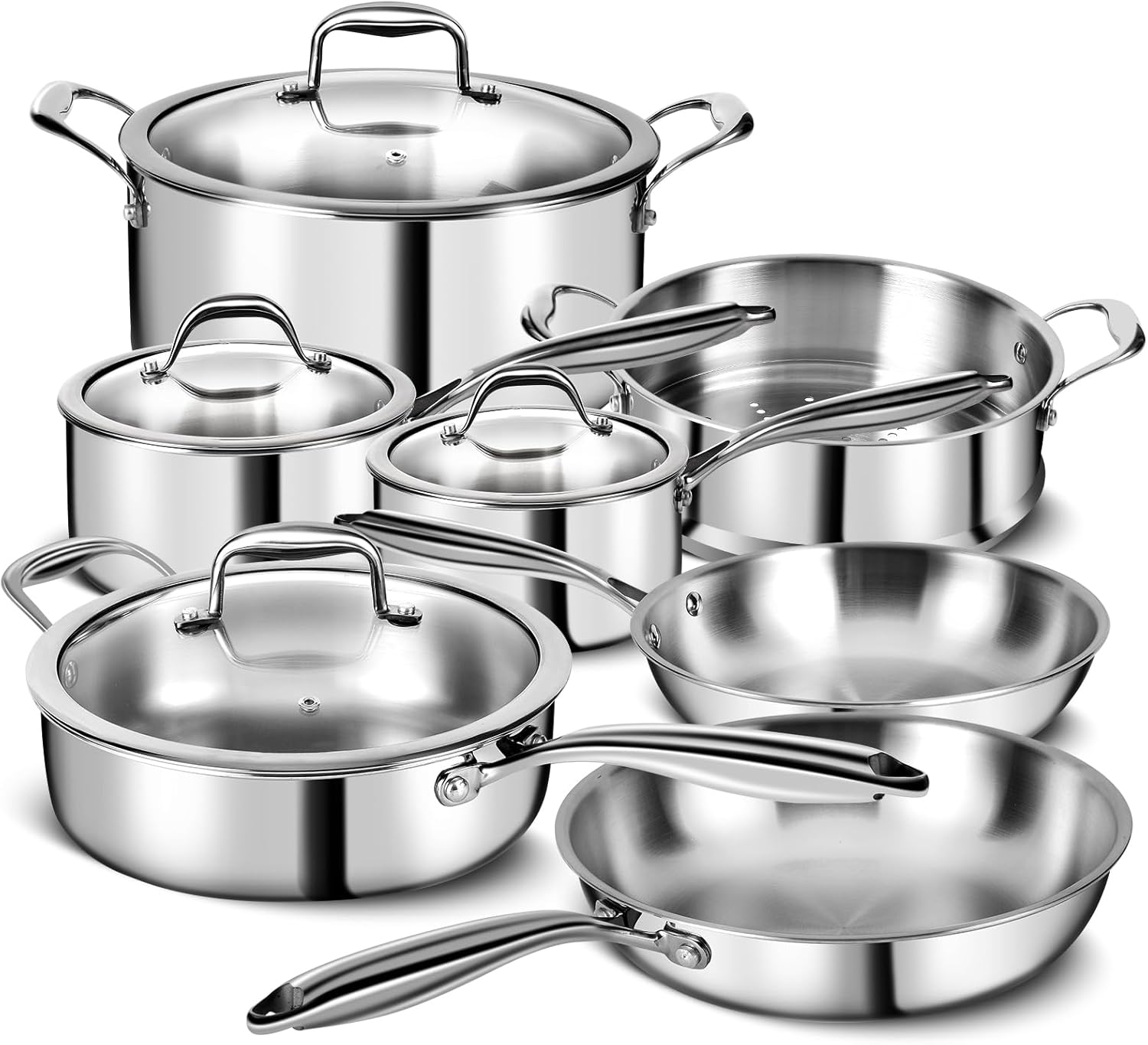
Handle construction heavily influences safety and comfort during heavy cooking tasks and everyday lifting around the kitchen. Riveted stainless steel handles offer permanent attachment strength, though solid metal can conduct heat if exposed inside hot ovens. Many designs incorporate hollow cores or ergonomic shapes to slow heat transfer on stovetops, keeping grips comfortable.
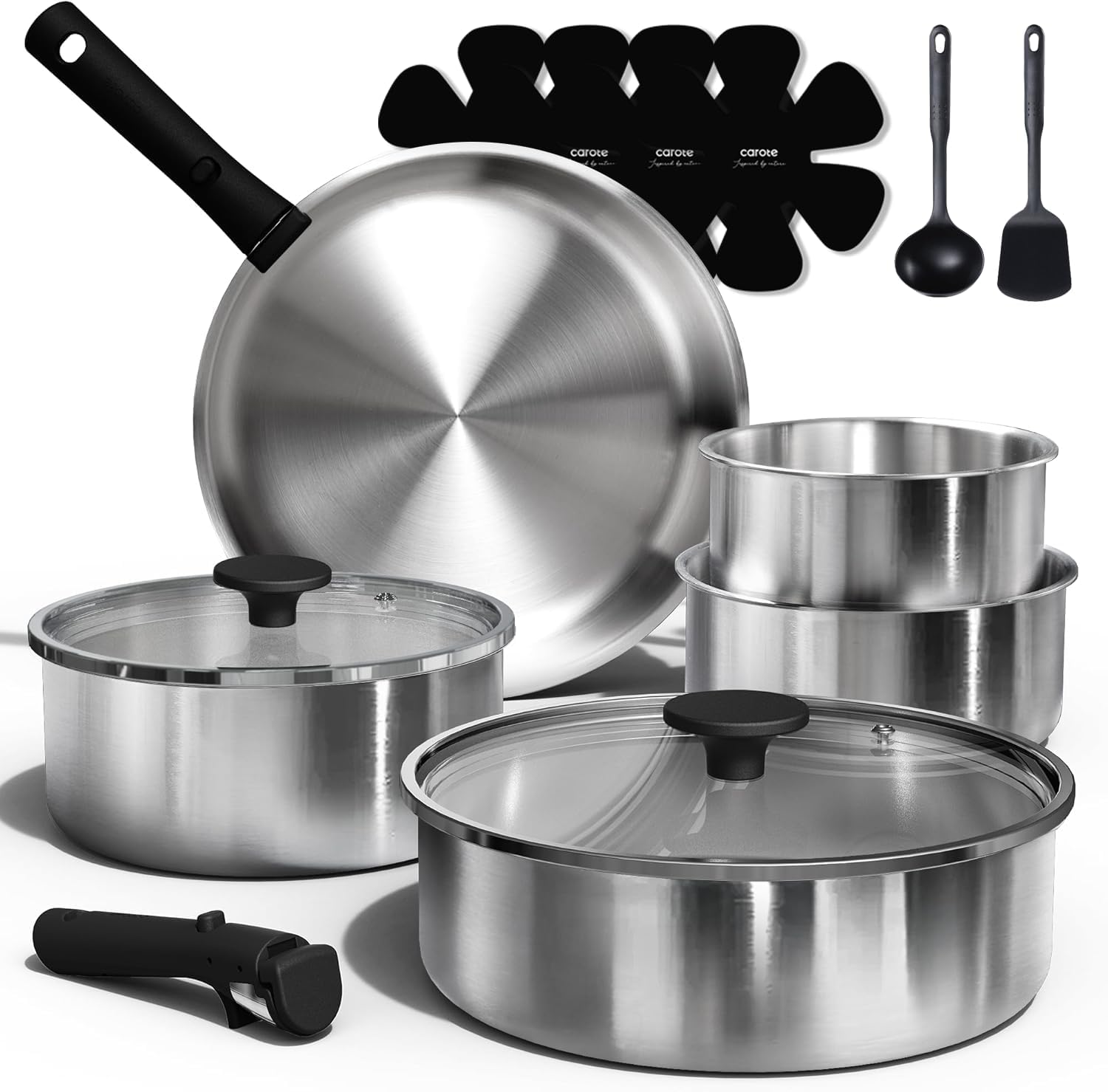
Alternative handle materials and mechanisms, such as detachable grips, provide unique space-saving advantages for compact kitchens and crowded cabinets. These removable options let you nest pots easily while transferring vessels between stovetops, ovens, and refrigerators. Evaluating how you grasp and store cookware helps identify the best handle style for your daily kitchen environment and routine.
Component Counts and Set Versatility
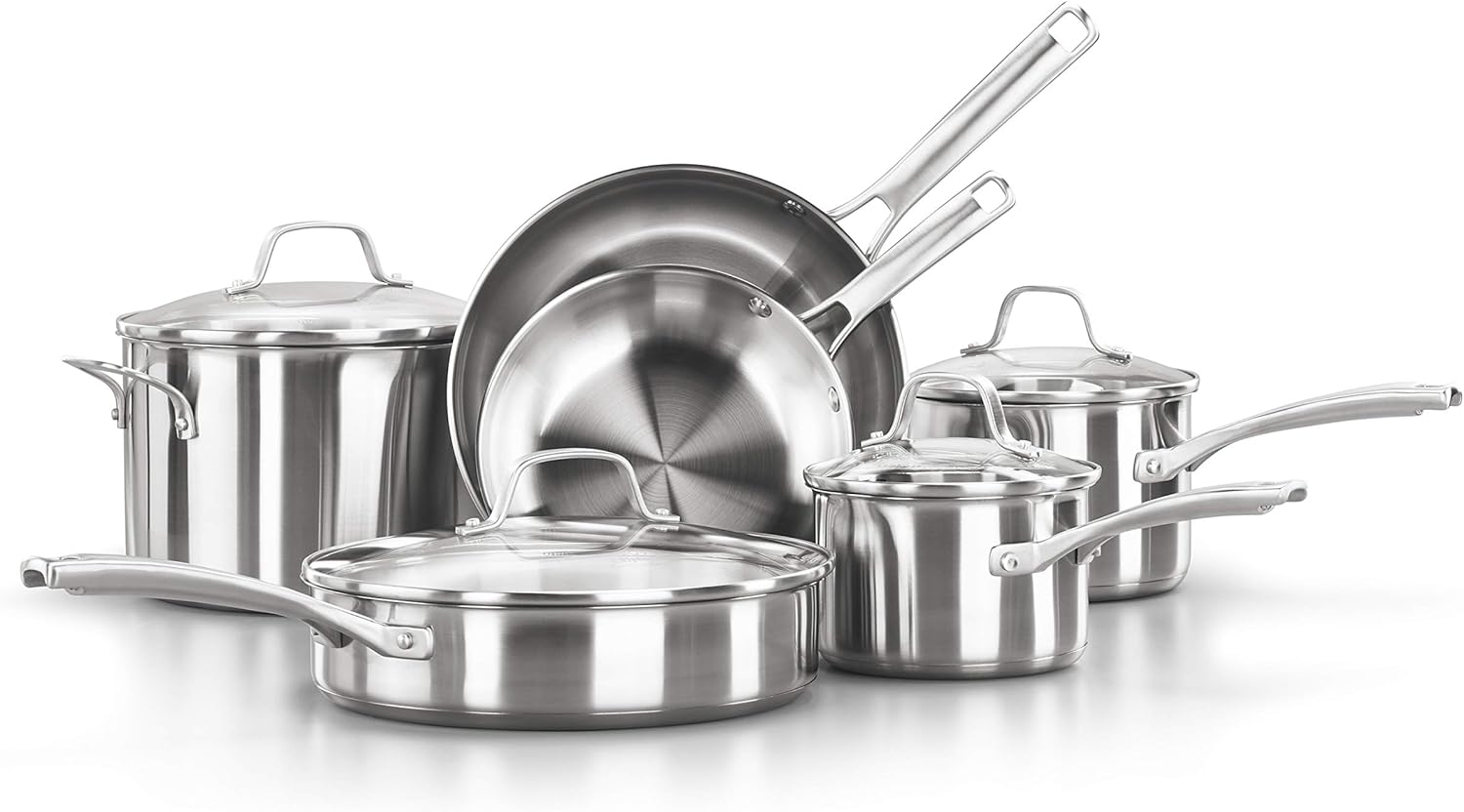
Choosing a cookware set involves evaluating the variety and sizing of included pots and pans for daily cooking tasks. Larger collections typically feature multiple frying pans, saucepans, sauté pans, and stockpots to cover diverse culinary requirements. Reviewing piece counts ensures you have the right vessel sizes for single portions or family-sized meals.
Specialized additions like steamer inserts or large Dutch ovens further expand what your kitchen setup can accomplish during daily meal prep routines. However, larger sets require dedicated storage space in your kitchen cabinets. Balancing your everyday cooking habits with available storage prevents overcrowding while ensuring you acquire useful pieces you will use often.
Cleaning and Maintenance Practices
Maintaining stainless steel cookware involves understanding recommended cleaning practices to preserve exterior finishes and lasting shine. Many collections are dishwasher safe, offering convenient cleanup after preparing everyday meals. Hand washing with warm, sudsy water and specialized stainless steel cleaners can also help restore brilliant finishes and eliminate stubborn water spots over time.
Allowing cookware to cool gradually before washing prevents thermal warping caused by sudden temperature shocks in the sink or dishwasher. Drying pots immediately after cleaning guards against mineral discoloration and water spotting. Following manufacturer care guidelines ensures your stainless steel pots and pans maintain their structural integrity and appearance through years of frequent cooking.
Frequently asked questions
Is stainless steel cookware completely non-toxic and coating-free?
Most stainless steel cookware sets feature solid metal surfaces like thirty-four or eighteen-eight stainless steel without synthetic nonstick coatings. Because they lack PTFE, PFOA, or PFAS layers, food contacts pure metal rather than chemical treatments that can scratch or peel over time. However, it is essential to check individual product specifications regarding specific alloy components or handle materials. This coating-free construction provides a durable, reliable cooking surface for home cooks seeking traditional metal pots and pans without nonstick chemical layers, supporting everyday family meal preparation across various stovetops.
Can stainless steel pots and pans be used on induction cooktops?
Many modern stainless steel cookware collections are fully compatible with induction cooktops, provided they feature a magnetic outer layer such as forty-thirty stainless steel or an induction-safe bonded base. Induction cooktops rely on magnetic fields to heat the pan directly, making material composition vital for proper functioning. Always verify compatibility details before purchasing if you use an induction range in your kitchen. When compatible, these pots heat efficiently, delivering consistent performance for simmering, boiling, and searing tasks without requiring specialized cookware exclusively restricted to induction-only heating technology.
How do I prevent food from sticking to stainless steel pans?
Preventing food from sticking on stainless steel surfaces requires proper preheating techniques and heat management. Unlike nonstick pans, you should preheat your stainless steel pan over medium heat for a brief moment before adding cooking oil. Allowing the oil to heat up until it shimmers creates a temporary barrier that helps prevent food from adhering to the metal. Additionally, bringing refrigerated foods closer to room temperature before cooking and ensuring proper deglazing with liquids will release fond easily, making cleanup straightforward and hassle-free.
Are stainless steel cookware sets safe for dishwasher cleaning?
Many stainless steel cookware collections are rated as dishwasher safe, allowing for convenient cleanup after preparing meals. However, numerous manufacturers recommend hand washing with warm, sudsy water to maintain the exterior mirror or brushed finish over years of daily use. Running pots through automated dishwashers can sometimes cause water spots or minor discoloration depending on detergent formulas and water hardness. Allowing cookware to cool completely and drying items immediately after washing helps preserve their appearance and structural performance regardless of your cleaning method.
What is the difference between multi-ply and impact-bonded cookware?
Multi-ply construction bonds layers of aluminum and stainless steel together across the entire body, extending edge to edge up the sidewalls for even heat distribution. This full-clad design eliminates hot spots and responds rapidly to burner adjustments. In contrast, impact-bonded cookware attaches a thick aluminum disc solely to the bottom base surface of the pan. While bonded bases provide efficient bottom heating for browning and searing, the sidewalls rely on single-layer steel. Choosing between these designs depends on your cooking preferences and heat control requirements.