Appliances · Buying Guide
Best Heavy Bottom Stock Pot for Even Heat and Large Batch Cooking
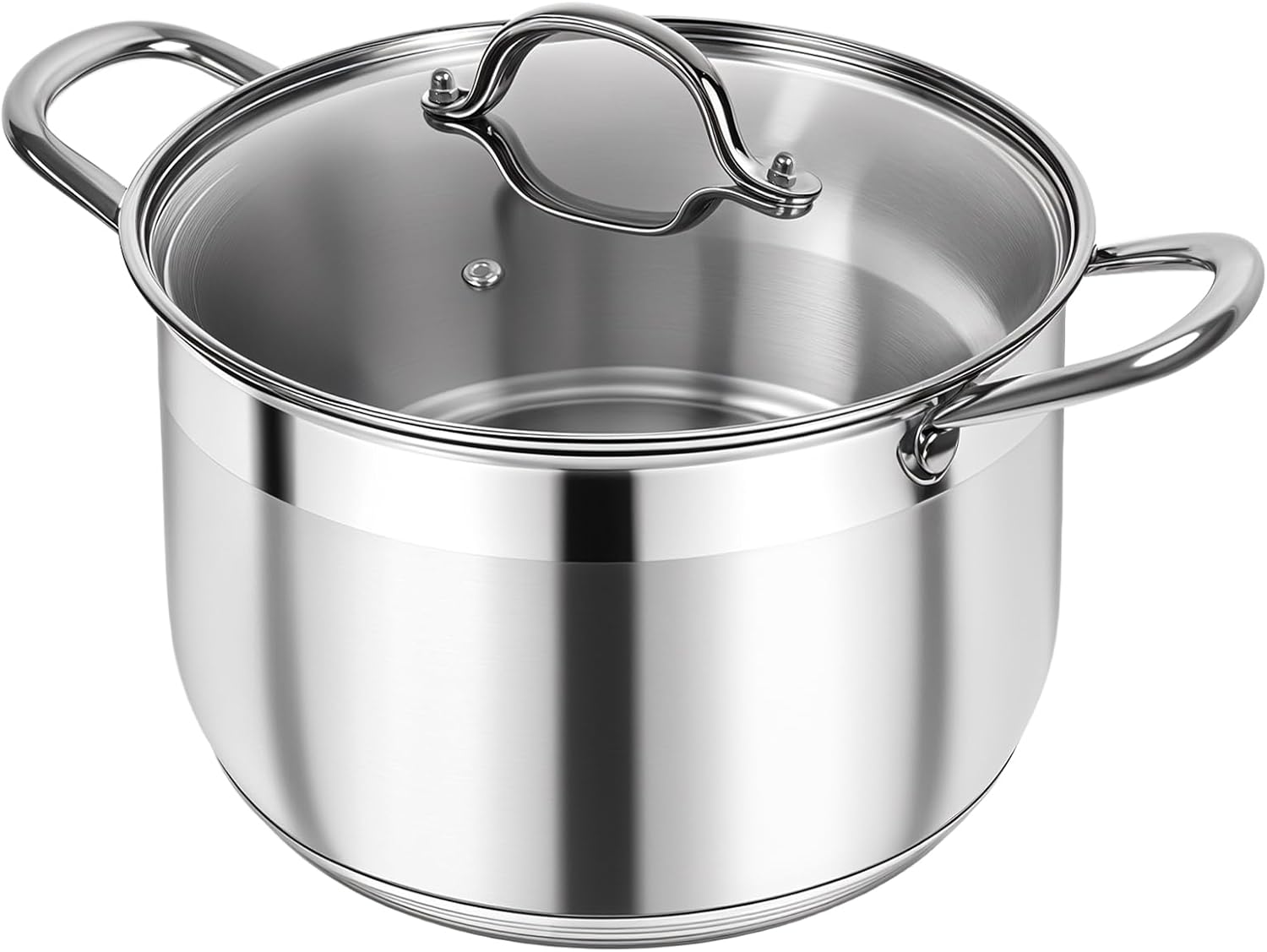
Finding a reliable heavy bottom stock pot can completely transform how you handle large batches of soups, stocks, and pasta. A thick, multi-layered base prevents scorching by distributing heat evenly across the cooking surface. Whether you are simmering broths for hours or boiling massive quantities of water, the right vessel ensures consistent results every single time on your stovetop.
Modern cooking pots combine durable stainless steel construction with secure riveted handles and tight-fitting lids to lock in moisture. Selecting the ideal option depends heavily on your specific batch sizes, storage space, and stovetop type. Exploring the distinct features of top-tier models helps you match your cooking habits with a sturdy pot built for lasting performance.
As an Amazon Associate, StacyLaughs earns from qualifying purchases.
Buying guide
Evaluating Base Construction and Heat Distribution
When shopping for a heavy bottom stock pot, the base construction dictates how evenly your food cooks and prevents frustrating scorching issues. Pots featuring multi-layered, thick, or encapsulated aluminum bases prevent hot spots that can easily ruin delicate broths, long-simmering stews, or thick tomato-based sauces. A properly engineered thick base absorbs thermal energy efficiently and retains heat for extended cooking sessions across various burner types.
Manufacturers use advanced techniques like impact bonding or multi-cladding to join highly conductive metals like aluminum with durable outer stainless steel layers. Reviewing these core specifications ensures your cookware performs reliably under high heat without warping, giving you consistent thermal transfer for every recipe you tackle.
Stovetop Compatibility and Heat Sources
Stovetop compatibility is a vital factor that every home cook must verify carefully before purchasing a new heavy bottom stock pot for daily kitchen tasks. While many traditional stainless steel pots work seamlessly on gas, electric, ceramic, and halogen cooktops, modern induction surfaces require a specific magnetic exterior layer. Checking these compatibility details guarantees your chosen pot interacts properly with your specific kitchen range.
Certain specialized multi-layer pots explicitly exclude induction use despite offering exceptional thermal performance on standard electric or gas burners. Ensuring proper alignment between your cookware materials and your heat source prevents frustrating incompatibilities and guarantees efficient daily meal preparation without unexpected heating delays or performance drops.
Capacity Requirements and Batch Size
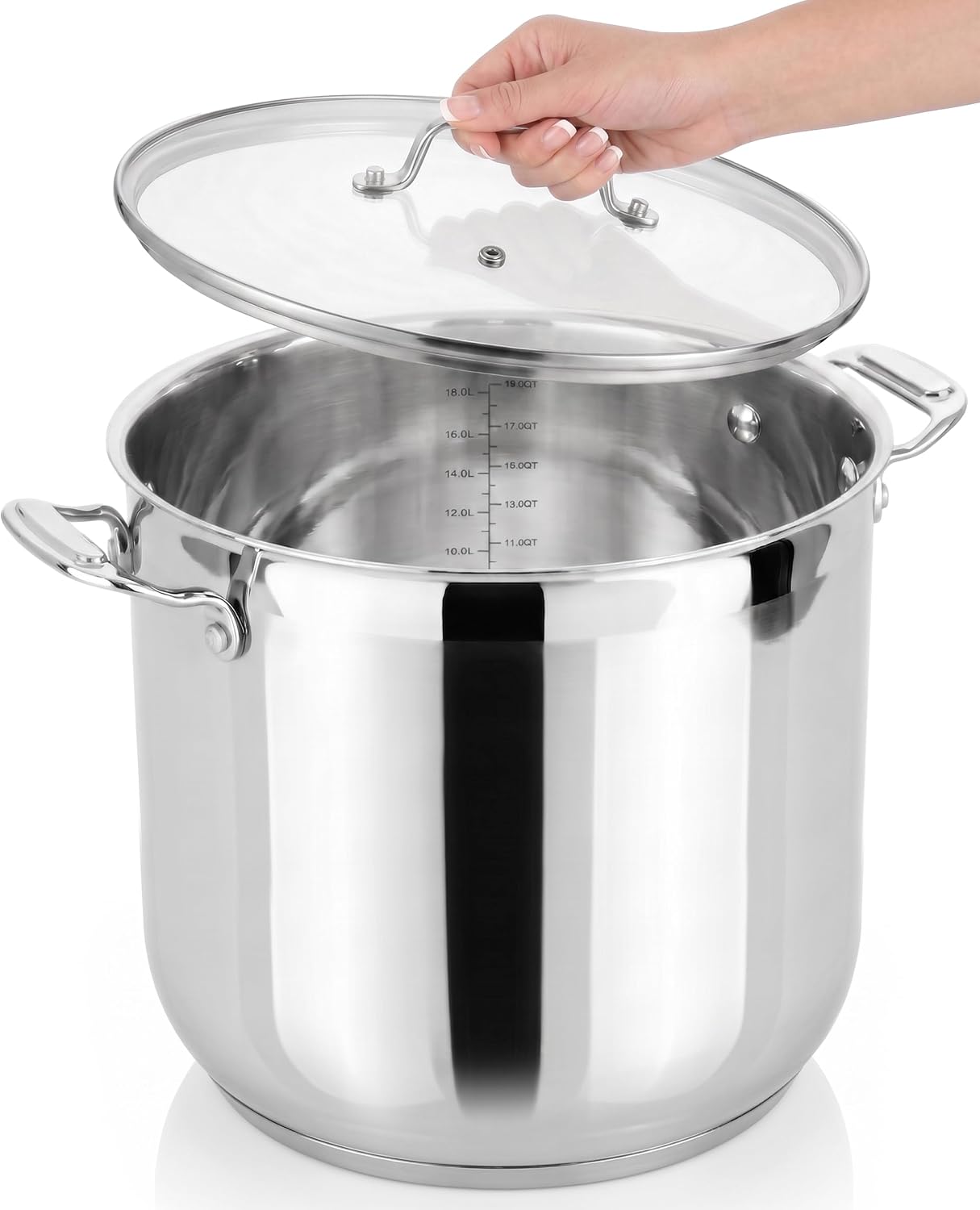
Choosing the correct capacity depends heavily on your household size and the types of recipes you frequently prepare throughout the week. Smaller eight to ten-quart pots suit standard family meals, pasta boiling, and moderate soup batches without crowding your stove. In contrast, massive nineteen or twenty-quart options accommodate commercial cooking, large gatherings, and extensive bulk meal preparation tasks.
Selecting a vessel that is too large can take up excessive storage and burner space, whereas an undersized pot risks boiling over during heavy simmering. Balancing your typical serving sizes with available kitchen cabinet space helps you find a practical vessel that meets your daily culinary demands effortlessly.
Handle Design and Lifting Ergonomics
Heavy bottom stock pots become extremely heavy when filled with water, raw ingredients, and rich broths, making secure handle design an absolute necessity. Riveted stainless steel handles provide superior structural strength compared to welded alternatives, ensuring the cooking body remains completely stable during transport. Ergonomic shapes offer a more secure and comfortable grip when lifting a full pot from the burner.
Certain handles are engineered to stay cool during stovetop cooking, reducing the need for bulky mitts during minor stove adjustments. Prioritizing robust, comfortable handle construction protects you from accidental spills and enhances overall kitchen safety when managing heavy loads of boiling liquids and large meal batches.
Lid Features and Oven Safety Limits
Lids play a crucial role in retaining heat, trapping essential moisture, and accelerating boiling times when you prepare large batches of soups and stews. Transparent tempered-glass lids allow you to monitor cooking progress without lifting the cover and losing valuable thermal energy. Many pots also feature built-in steam vents to prevent excessive pressure buildup during a vigorous rolling boil.
Additionally, checking manufacturer temperature ratings is vital if you plan to move your heavy pot directly into the oven for baking, roasting, or braising. While many stainless steel bodies withstand high heat up to 500 degrees Fahrenheit, attached glass lids often feature lower thermal limits that require careful removal beforehand.
Cleaning Maintenance and Surface Coatings
Maintaining a heavy bottom stock pot depends largely on its interior surface coating and exterior finish materials. Mirror-polished stainless steel repels stains and cleans easily, though some specialized models feature non-stick interior coatings for effortless food release during sticky recipes. Understanding proper care instructions ensures your cookware maintains its structural integrity and visual appeal over years of frequent use.
While many stainless steel pots are officially rated as dishwasher safe, manufacturers often recommend hand washing to preserve exterior shine and protect specialized finishes from harsh detergents. Following these specific maintenance guidelines prevents premature wear and keeps your stock pot functioning at its absolute best across countless meal preparations.
Frequently asked questions
Why is a heavy bottom important in a stock pot?
A heavy bottom is crucial because it adds thickness and multiple conductive layers that distribute heat evenly across the entire cooking surface. When you simmer broths, sauces, or soups for hours, thin pots can create localized hot spots that burn ingredients near the base. A thick, multi-layered or encapsulated base absorbs thermal energy efficiently, prevents scorching, and maintains a stable temperature throughout the cooking process. This structural advantage ensures your recipes turn out consistent every single time, regardless of whether you are boiling water or reducing complex sauces.
Can all heavy bottom stock pots be used on induction cooktops?
Not all heavy bottom stock pots are compatible with induction cooktops, making it essential to review manufacturer specifications before purchasing. Induction stovetops require cookware featuring a magnetic exterior layer, such as specific stainless steel grades, to generate heat through magnetic induction. While many modern stock pots are designed with this wide compatibility in mind, certain multi-layered or specialized models explicitly exclude induction use. Always verify whether your chosen pot supports magnetic cooktops to avoid heating issues in your kitchen.
Are glass lids safe to use when placing a stock pot in the oven?
Glass lids are generally subject to lower maximum temperature limits than heavy-duty stainless steel pot bodies when placed inside an oven. While many stainless steel stock pots can withstand high oven temperatures up to 500 degrees Fahrenheit, accompanying glass lids are often rated only up to 350 degrees Fahrenheit. Exceeding these specified thermal thresholds can damage the glass component. Always review the manufacturer guidelines and remove the glass lid before transferring your cookware into high-heat oven environments for roasting or baking.
How should I clean and maintain a stainless steel stock pot?
Cleaning and maintaining a stainless steel stock pot typically involves washing with warm soapy water and a non-abrasive sponge to preserve the exterior mirror finish. While many models are designated as dishwasher safe, manufacturers frequently recommend hand washing to prevent harsh automatic detergents from dulling the polished surface over time. If food residue becomes stubborn, soaking the pot in warm water or using approved stainless steel cleaners helps restore its appearance without scratching the metal or compromising its structural integrity.
What capacity stock pot should I choose for family cooking?
Choosing the right capacity stock pot depends primarily on your typical batch sizes and household needs. An eight to ten-quart pot generally suits standard family meals, boiling pasta, and preparing moderate batches of soup without occupying excessive burner space. If you frequently cook for large crowds, host gatherings, or engage in bulk meal preparation and canning, larger nineteen or twenty-quart options provide the necessary volume. Matching your typical serving sizes to the pot capacity ensures efficient cooking and easy handling.