Appliances · Buying Guide
Best Hexclad 14 Inch Wok Alternatives and Hybrid Pans
Finding the right cooking vessel for high-heat stir-frying, searing, and daily family meals requires balancing material durability with easy food release properties. While modern hybrid cookware designs successfully combine stainless steel resilience with ceramic nonstick convenience, traditional carbon steel alternatives offer distinct high-heat benefits for various home kitchens. Navigating these choices involves looking closely at core materials and handling styles to find the best fit.
Evaluating these diverse options helps match your specific stovetop type, available storage space, and preferred cooking style with the ideal pan construction. Selecting the right 14-inch pan ensures reliable heat distribution, comfortable handling, and straightforward cleanup routines for every recipe you prepare throughout the week without hassle.
As an Amazon Associate, StacyLaughs earns from qualifying purchases.
Buying guide
Evaluating Core Material Construction
Choosing between hybrid stainless steel, ceramic nonstick, and traditional carbon steel depends on your daily cooking habits and maintenance preferences. Hybrid pans combine metal durability with easy release coatings, making them forgiving for everyday meal prep. Carbon steel options require manual care but reward you with superior high-heat responsiveness and natural patina development. Understanding how base materials react to heat helps you select a vessel matching your favorite recipes.
Manufacturers build these pans with varying layers, such as aluminum cores bonded between steel sheets to eliminate hot spots. Reviewing the underlying metal composition ensures your cookware distributes heat evenly across the base. Whether you cook on gas, electric, or induction ranges, matching the material structure guarantees consistent thermal performance. This foundational choice directly influences how easily you can sear meats and toss vegetables without burning ingredients.
Understanding Stovetop and Oven Compatibility
Modern kitchen ranges vary widely, making stove compatibility a crucial factor when shopping for large cookware. Most aluminum and stainless steel hybrid pans feature flat bottoms engineered to sit securely on smooth surface induction, electric coil, and gas burners. Carbon steel models also perform exceptionally well across multiple heat sources, though certain traditional variants excel primarily on gas flames. Checking compatibility prevents frustrating installation issues and ensures stable contact.
Beyond stovetop use, many modern pans offer high-temperature oven safety for finishing dishes under a broiler or baking casseroles. Models featuring stainless steel or removable handles often withstand temperatures up to 500 or 600 degrees Fahrenheit safely. Always verify whether the lid or handle requires detachment before transferring the vessel into a hot oven environment. Matching these thermal limits to your culinary routine expands your cooking flexibility significantly.
Surface Coatings and Utensil Safety
Nonstick properties dictate how effortlessly food slides from the pan surface and how much oil you need during cooking. Ceramic coatings and laser-etched stainless steel honeycomb patterns offer reliable food release without relying on harsh chemicals. Raised metal peaks on hybrid designs protect the underlying nonstick grooves, allowing home cooks to use metal spatulas and tongs confidently. Traditional carbon steel builds its own natural nonstick patina over time through regular seasoning and oil absorption.
Evaluating surface durability helps you avoid accidental scratches and premature wear during active meal preparation. While armored hybrid surfaces tolerate metal utensils, standard nonstick coatings often require wooden or silicone tools to preserve their finish. Reviewing manufacturer guidelines regarding utensil safety ensures your cookware remains in top condition for years. Balancing easy-release convenience with your preferred stirring tools prevents surface damage and maintains consistent cooking performance.
Managing Weight and Handling Ergonomics
Weight plays a major role in how comfortably you can lift, tilt, and maneuver a large 14-inch cooking vessel. Traditional cast iron is famously heavy, but modern carbon steel and tri-ply hybrid pans offer much lighter alternatives that reduce arm strain. Ergonomic stainless steel handles, stay-cool designs, and wooden grips provide secure control while transferring heavy portions from the burner to the serving table. Considering your physical comfort prevents fatigue during long cooking sessions.
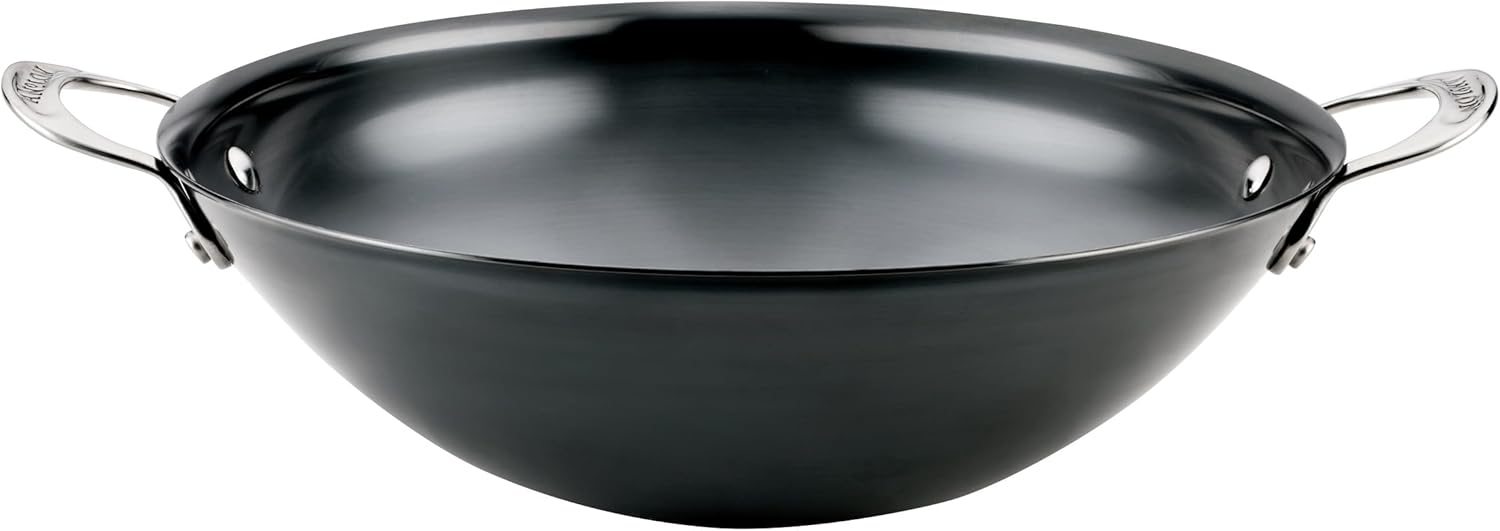
Some models incorporate dual side handles instead of a traditional long wok handle, offering balanced support for heavy loads. Detachable handles also provide unique advantages by shrinking the pan footprint for cramped storage cabinets or compact dishwashers. Assessing handle construction and attachment mechanisms ensures you can transfer food safely without instability. Choosing the right grip style matches your personal lifting preferences and kitchen storage layout perfectly.
Cleaning Routines and Maintenance Needs
Cleanup convenience varies dramatically depending on the specific materials and surface treatments of your cookware. Many hybrid and ceramic nonstick pans are dishwasher safe, allowing for quick post-meal sanitation without manual scrubbing. Conversely, traditional carbon steel and seasoned pans typically require hand washing and prompt drying to prevent rust and preserve the natural cooking patina. Assessing your willingness to perform manual upkeep helps narrow down your choices.
Following proper care instructions extends the lifespan of your cookware and preserves its nonstick capabilities. Using mild soaps, soft sponges, and appropriate cooling methods prevents thermal shock and surface warping. For stubborn food bits, gentle deglazing with warm water or stock while the pan is still warm loosens debris safely. Committing to a consistent maintenance routine ensures your investment delivers reliable performance meal after meal.
Assessing Capacity and Lid Inclusions
Cooking capacity determines whether a pan can comfortably handle family-size meals or dinner party feasts without overflowing. A 14-inch diameter offers an expansive surface area for tossing ingredients, while generous liquid capacities ranging from six to eight quarts accommodate hearty stews, braised meats, and large stir-fries. Reviewing dimensional proportions ensures the base fits your burners while the upper rim contains splashing liquids effectively during active stirring tasks.
Included lids add valuable versatility by trapping heat and moisture for steaming vegetables or simmering delicate sauces. Stainless steel covers provide heavy-duty durability and withstand high oven temperatures, while glass lids offer visual monitoring of cooking progress. Evaluating whether a lid comes bundled with your pan or requires a separate purchase helps you budget accurately. Selecting a complete set ensures you have the right accessories ready for immediate use.
Frequently asked questions
Can I use metal utensils on hybrid nonstick woks?
Many hybrid pans feature a raised stainless steel honeycomb or textured pattern that shields the underlying nonstick grooves from direct abrasion. This armored design typically permits the safe use of metal spatulas, spoons, and tongs without scratching or peeling the coating. However, it is always wise to check specific manufacturer instructions before using sharp metal edges. Traditional carbon steel and standard coated pans may require wooden or silicone utensils to protect their smooth finishes during daily cooking tasks.
Do carbon steel woks require complicated seasoning before use?
Seasoning requirements vary depending on the specific carbon steel model you choose for your kitchen. Some modern options arrive fully preseasoned right out of the box, eliminating the initial high-heat oil baking process and allowing you to start cooking immediately. Advanced nitrified carbon steel versions feature treated rust-resistant surfaces that need minimal upkeep compared to traditional cast iron. Over time, regular cooking with oil helps build up a rich, natural nonstick patina on these durable metal surfaces.
Are these 14-inch pans compatible with induction stovetops?
Compatibility depends on the specific product construction and base materials used by the manufacturer. Many stainless steel tri-ply hybrid pans and specially designed carbon steel models feature induction-compatible flat bottoms that work seamlessly with smooth glass induction cooktops. However, certain traditional carbon steel or specialized pans may be optimized exclusively for gas burners. Always verify the manufacturer's listed compatible devices to ensure the flat base makes proper magnetic contact with your specific kitchen range.
Can I place these wok pans inside a hot kitchen oven?
Oven safety varies significantly based on the materials and handle construction of each individual pan. Several stainless steel hybrid models and ceramic pans withstand high oven temperatures up to 500 or 600 degrees Fahrenheit, making them ideal for roasting or finishing dishes. Pans with wooden handles or detachable mechanisms require specific attention; wooden grips usually must be removed or kept out of hot ovens. Always consult the product care guidelines before transferring cookware into an oven.
How should I clean and maintain my wok after cooking?
Cleaning methods depend entirely on the exterior and interior surface construction of your chosen pan. Many ceramic hybrid and stainless steel models offer dishwasher-safe convenience, allowing for automated cleanup with mild soap and sponges. In contrast, traditional carbon steel cookware typically requires hand washing with warm water and prompt drying to prevent rust and protect the seasoning. Deglazing warm pans with stock or water helps loosen stuck bits easily without needing abrasive scrubbing tools.