Appliances · Buying Guide

Best High End Cast Iron Skillet Options for Modern Kitchens

Finding a reliable cooking tool involves looking closely at surface finishes, weight distribution, and overall heat retention capabilities. High-end cast iron skillets combine modern machining techniques with traditional iron casting methods to noticeably improve daily kitchen tasks, whether you are searing meats, frying morning eggs, or baking fresh bread at home.

These premium pans provide versatile cooking performance across various residential stovetops, kitchen ovens, and outdoor grills. By examining specific physical features like finely polished cooking surfaces and ergonomic handle designs, home cooks can easily select a durable heirloom piece perfectly suited for preparing everyday family meals without dealing with rough factory textures.

As an Amazon Associate, StacyLaughs earns from qualifying purchases.

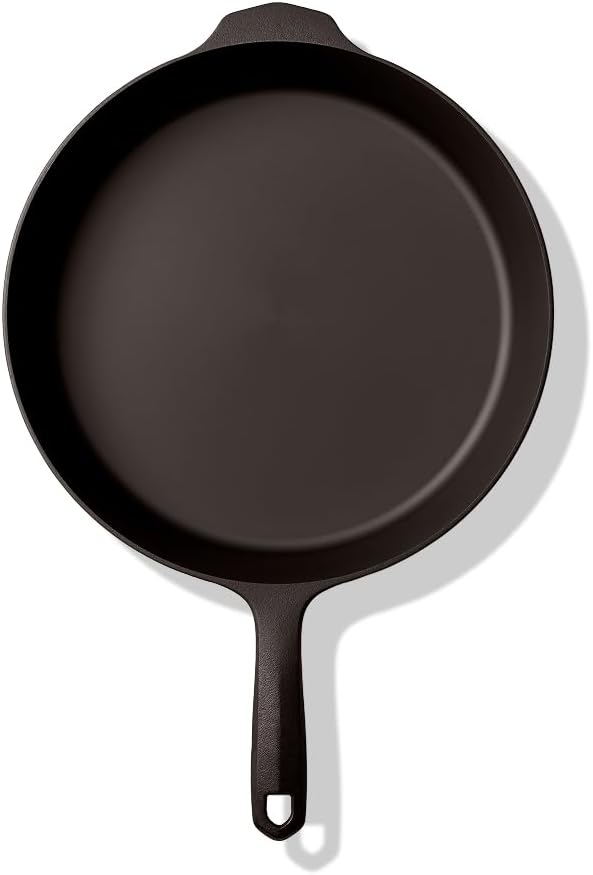
Stargazer 12-Inch Cast Iron Skillet with Smooth Cooking Surface
#1 Best Overall

Stargazer 12-Inch Cast Iron Skillet with Smooth Cooking Surface

This large 12-inch cast iron skillet features a smooth machined cooking surface designed to minimize food sticking during cooking and cleanup. It offers a 3.4-quart capacity, a stay-cool extended handle for comfortable handling, and a drip-free flared rim instead of traditional pour spouts. It works on induction and standard stovetops, providing heavy-duty performance for baking and searing.

Best for Large family breakfast and searing

Superior smooth cooking surfaceIndividually crafted in USAStay-cool handle designSeamless pouring experienceBacked by lifetime warranty
View on Amazon →

What stands out

  • The meticulously polished smooth cooking surface significantly reduces food sticking, making the cleanup process much easier after cooking messy meals.
  • An extended stay-cool handle design helps improve user comfort and safety by providing better cooling properties during extended stovetop cooking sessions.
  • The flared rim construction eliminates traditional pour spouts, allowing you to pour liquids seamlessly from any angle around the pan perimeter.

What to consider

  • Weighing as a heavy-duty option with a 3.4-quart capacity, this large skillet may require extra effort to maneuver between crowded stovetops and deep oven spaces.
  • The absence of traditional pour spouts means you must adapt your liquid-pouring technique to the flared rim design when transferring sauces or pan drippings.
Key specifications
Material Type
Cast Iron
Capacity
3.4 quarts
Product Care Instructions
Hand Wash Only
Handle Material
Cast Iron
Additional Features
Electric Stovetop Compatible, Gas Stovetop Compatible, Heavy Duty, Oven Safe
Compatible Devices
Smooth Surface Induction

The practical verdict

This skillet is best for home cooks seeking a large, smooth-surface pan for searing meats and baking family-sized meals across induction or gas stovetops. Avoid it if you prefer lightweight cookware or traditional pour spouts for managing liquids. The main trade-off involves balancing heavy-duty heat retention and a generous 3.4-quart capacity with a heavier overall pan structure that demands extra maneuvering effort in the kitchen.

#2
Field Company 11.5-Inch Polished Large Cast Iron Skillet
Versatile Family Skillet

Field Company 11.5-Inch Polished Large Cast Iron Skillet

Best for Medium to large family meals

Designed with an 11-5/8 inch rim-to-rim width and a 9-3/4 inch flat cooking surface, this large skillet serves four to six people easily. It weighs approximately 6 pounds and features a smooth polished surface poured using green sand casting. Pre-seasoned with grapeseed oil, it works on all stovetops, ovens, and grills while building natural non-stick properties over time with regular meal preparation.

What stands out

  • Weighing approximately six pounds, the pan strikes a practical balance that offers easy maneuverability around standard kitchen stovetops, ovens, and outdoor grills.
  • Pre-seasoned with multiple coats of grapeseed oil, the smooth surface arrives ready for immediate cooking while building better non-stick qualities over time.
  • Green sand casting methods replicate traditional lightweight vintage American pans, supporting versatile compatibility across induction, gas, glass, and ceramic cooktops.

What to consider

  • The six-pound weight profile combined with an 11-5/8 inch rim diameter requires mindful handling when transferring full portions from the stovetop to the oven.
  • While pre-seasoned with grapeseed oil, users must gradually preheat the pan on low settings for several minutes to maintain optimal cooking performance.
Key specifications
Material Type
Cast Iron
Capacity
6 pounds
Product Care Instructions
Hand Wash Only
Handle Material
Cast Iron
Additional Features
Non Stick
Compatible Devices
Smooth Surface Induction

The practical verdict

This skillet is best for families preparing four to six servings who want a balanced, polished iron pan compatible with every cooktop type. Avoid it if you require ultra-lightweight pans or prefer synthetic non-stick coatings right out of the box. The main trade-off centers on combining a traditional six-pound weight and generous cooking area with the requirement for patient, gradual preheating and ongoing seasoning maintenance.

#3
Stargazer 10.5-Inch Cast Iron Skillet with Smooth Cooking Surface
Medium Modern Skillet

Stargazer 10.5-Inch Cast Iron Skillet with Smooth Cooking Surface

Best for Daily medium-batch cooking tasks

Offering a 2.3-quart capacity, this medium-sized skillet features a smoothly machined cooking surface for effortless food release and quick cleanup. It incorporates a modern stay-cool extended handle for safer maneuvering and a drip-free flared rim that replaces traditional spouts. Built for diverse cooking tasks, it supports induction and standard stovetops while providing reliable heat retention in a lighter build than traditional cast iron.

What stands out

  • The meticulously polished cooking surface minimizes food sticking, making everyday tasks like frying eggs and searing small meat cuts exceptionally straightforward.
  • An extended stay-cool handle provides enhanced safety and comfort by keeping cooler for longer periods during standard stovetop cooking sessions.
  • The drip-free flared rim design allows you to pour liquids from any angle without relying on traditional pinched pour spouts.

What to consider

  • The 2.3-quart capacity provides a medium cooking footprint that may prove restrictive when attempting to prepare large multi-portion family meals all at once.
  • Relying on a flared rim instead of traditional spouts requires an adjustment period when pouring thin liquids or pan sauces out of the skillet.
Key specifications
Material Type
Cast Iron
Capacity
2.3 quarts
Product Care Instructions
Hand Wash Only
Handle Material
Cast Iron
Additional Features
Electric Stovetop Compatible, Gas Stovetop Compatible, Heavy Duty, Oven Safe
Compatible Devices
Smooth Surface Induction

The practical verdict

This skillet is best for individuals or couples needing a medium-sized, smooth-surface pan for everyday breakfast and dinner preparation on modern cooktops. Avoid it if you routinely cook large family feasts requiring high volumetric capacity. The main trade-off involves balancing a manageable 2.3-quart size and lighter modern build against the restricted cooking volume when scaling up ingredient quantities for larger groups.

#4
Lancaster Cast Iron No. 10 Pre-Seasoned Heirloom Skillet
Heirloom Main Course Pan

Lancaster Cast Iron No. 10 Pre-Seasoned Heirloom Skillet

Best for Heirloom main course preparation

Crafted in Pennsylvania, this 11-5/8 inch main course skillet features an 11 cubic inch capacity and a convenient helper handle. Weighing around 6 pounds, it is designed to be lighter than typical modern iron cookware while retaining traditional heat properties. It comes pre-seasoned with a smooth machined surface and traditional pour spouts, offering broad compatibility with gas, electric, induction, and campfire heat sources.

What stands out

  • Weighing around six pounds, the lighter structural design reduces overall heft while maintaining the expected heat retention qualities of traditional iron cookware.
  • The inclusion of a traditional helper handle alongside the main handle improves control when lifting heavy meals from the stove.
  • Machined for a smooth cooking surface and equipped with traditional pour spouts, it accommodates sauces and main courses across diverse heat sources.

What to consider

  • The six-pound weight and 11-5/8 inch diameter require two-handed lifting when the pan is fully loaded with dense ingredients or heavy main courses.
  • The specific volumetric capacity of eleven cubic inches creates a relatively shallow depth profile that limits deep-frying or high-volume liquid simmering.
Key specifications
Material Type
Cast Iron
Capacity
11 cubic inches
Product Care Instructions
Hand Wash Only
Handle Material
Cast Iron
Additional Features
Pre-Seasoned
Compatible Devices
Electric Coil, Gas, Smooth Surface Induction

The practical verdict

This skillet is best for cooks seeking an American-made heirloom pan with traditional pour spouts and a helpful secondary handle for heavy lifting. Avoid it if you need deep walls for high-volume simmering or ultra-lightweight camping pans. The main trade-off weighs a lighter modern frame and smooth machined interior against the physical demands of managing a six-pound iron body filled with heavy main course ingredients.

#5
Lancaster Cast Iron Lightweight 10.5-Inch Pre-Seasoned Skillet
Lightweight Everyday Frying

Lancaster Cast Iron Lightweight 10.5-Inch Pre-Seasoned Skillet

Best for Lightweight quick-response cooking

Weighing right around 4 pounds with a 2-quart capacity, this 10.5-inch skillet is engineered as an exceptionally lightweight iron pan. Machined in Pennsylvania for a smooth surface reminiscent of vintage cookware, it features a traditional ergonomic handle and built-in pour spouts. It adapts easily to gas, induction, electric, and campfire heat sources, providing responsive heat control for everyday frying tasks.

What stands out

  • Weighing approximately four pounds, this skillet offers exceptional lightness that makes maneuvering around the kitchen significantly easier than standard iron pans.
  • The responsive heat design allows for faster temperature adjustments, giving you greater control during delicate stovetop cooking and frying tasks.
  • Traditional pour spouts and an ergonomic handle design facilitate smooth sauce pouring and secure handling across various residential and outdoor heat sources.

What to consider

  • The 10.5-inch diameter and 2-quart capacity limit the available surface area, making it less suitable for cooking large batches of food simultaneously.
  • A lighter four-pound build reduces maximum heat retention compared to heavier, thicker iron skillets designed for prolonged thermal storage.
Key specifications
Material Type
Cast Iron
Capacity
2 quarts
Product Care Instructions
Hand Wash Only
Handle Material
Cast Iron
Additional Features
Electric Stovetop Compatible, Oven Safe
Compatible Devices
Electric Coil, Gas, Smooth Surface Induction

The practical verdict

This skillet is best for cooks prioritizing a lightweight iron pan with responsive heat control and traditional pour spouts for daily frying tasks. Avoid it if you require massive heat retention for prolonged searing or large-capacity cooking volumes. The main trade-off involves trading heavy-duty thermal mass for a remarkably light four-pound frame that enhances daily handling ease but reduces extended heat retention.

Buying guide

Surface Finish and Machining

When selecting a high-end cast iron skillet, examining the cooking surface finish is essential. Modern manufacturing techniques often machine raw iron castings to create a smooth texture that minimizes food sticking. This polished approach contrasts with rougher traditional budget pans, offering an easier release for delicate items like eggs and pancakes right from the start.

Choosing a machined surface also simplifies routine cleaning procedures after meals. While rougher iron requires thick seasoning layers to fill microscopic pits, smooth pans allow seasoning to bond evenly over time. Buyers should verify whether the manufacturer polishes the interior, as this directly influences how effortlessly food slides across the base during daily cooking routines.

Weight and Maneuverability

Weight distribution plays a major role in how comfortable a heavy skillet feels during active cooking sessions. Traditional iron pans can feel burdensome when lifting full portions from the burner to the oven. Newer high-end models often feature engineered weight reductions, shaving pounds off the total mass without sacrificing essential durability or structural integrity for home use.

Considering your physical comfort helps determine the ideal poundage for your kitchen workflow. Lighter designs allow for quicker heat adjustments and effortless one-handed moving, whereas heavier options maintain stable temperatures for extended searing tasks. Assess your strength and typical cooking habits before committing to a specific weight class to avoid kitchen strain.

Handle Design and Helper grips

Handle construction directly impacts safety and maneuvering control when working with hot cookware. Extended handles designed with stay-cool properties help dissipate heat during long stovetop sessions, protecting your hands from extreme temperatures. Evaluating the length and angle of the primary handle ensures a secure, comfortable grip while transferring meals around the kitchen environment.

Many larger skillets also incorporate secondary helper handles opposite the main grip. These smaller loops provide crucial two-handed stability when lifting heavy, food-filled pans into deep ovens or onto outdoor grills. Reviewing handle configurations prevents awkward lifting angles and ensures you can maintain a firm hold during busy meal preparation times.

Rim Styles and Pour Spouts

Pour spouts and rim shapes dictate how efficiently you can transfer liquids, sauces, and pan drippings out of the skillet. Traditional pinched spouts offer targeted channels for pouring thin liquids but can interrupt the outer perimeter edge. Modern flared rim designs eliminate traditional spouts entirely, enabling drip-free pouring from any angle around the entire circumference.

Your personal recipe preferences should guide this architectural choice. If you frequently make pan sauces or gravy, traditional spouts provide precise liquid transfer. Conversely, if you prefer seamless edge wiping and universal pouring angles, a flared rim offers a modern alternative. Match the rim style to your common culinary tasks for the best cooking experience.

Heat Source Compatibility

Ensuring your chosen skillet matches your kitchen heat source is vital for optimal performance. High-end cast iron pans generally support a wide array of devices, including gas burners, electric coils, smooth glass surfaces, and modern induction cooktops. Their flat magnetic bases conduct heat evenly across these diverse residential heating elements without warping under normal conditions.

Beyond indoor stovetops, many premium iron pans transition seamlessly to outdoor environments like campfires and charcoal grills. Checking manufacturer compatibility guidelines ensures the skillet can withstand high open flames or heavy oven baking temperatures. Selecting versatile heat compatibility guarantees you can use your premium pan across multiple cooking settings without restrictions.

Seasoning and Maintenance Needs

Pre-seasoned cast iron skillets arrive coated with protective oils, allowing you to begin cooking right out of the box. However, long-term non-stick performance relies heavily on your ongoing maintenance habits. Hand washing with mild soap, thorough drying, and occasional oil applications help preserve the protective seasoning layer and prevent unwanted moisture damage over time.

Following manufacturer care instructions keeps your heirloom pan performing reliably for generations. Avoid harsh dishwasher cycles or soaking the iron in water to protect the seasoned surface from degrading. Embracing these simple upkeep steps ensures your high-end skillet develops a darker, increasingly slick patina with every meal you prepare at home.

Frequently asked questions

Why do some high-end cast iron skillets feature a smooth machined cooking surface instead of a rough factory finish?

High-end manufacturers machine the interior surface of their cast iron skillets to remove the rough, pebbled texture found on traditional budget pans. This meticulous polishing process creates a much flatter, even plane that significantly minimizes food sticking from the very first use. While rough iron requires thick seasoning layers over years to fill microscopic pores, a machined surface allows delicate items like eggs, fish, and pancakes to release effortlessly. It also simplifies the daily cleaning process, making routine maintenance much faster and more enjoyable for home cooks who value convenience and superior food release.

How does skillet weight affect everyday cooking performance and handling ease in the kitchen?

The weight of a cast iron skillet directly influences how comfortably you can maneuver the pan between burners, ovens, and sinks. Traditional heavy-duty skillets offer massive thermal mass for exceptional heat retention, but their heavy weight can cause fatigue during active cooking or when lifting full portions. Lighter high-end alternatives reduce pounds from the structural build, allowing for faster temperature responses and easier one-handed handling. Choosing between a heavier thermal store and a lighter agile frame depends on your physical comfort and whether you prioritize sustained heat retention or effortless maneuverability during meal preparation.

What are the practical differences between traditional pour spouts and modern flared rims?

Traditional pour spouts provide pinched channels along the rim designed to direct thin liquids, sauces, and pan drippings neatly into bowls or measuring cups. They offer targeted pouring control for specific recipes, though they break the continuous circle of the pan edge. Modern flared rim designs eliminate spouts entirely, creating an open lip that allows you to pour liquids seamlessly from any angle around the entire perimeter. This flared construction also simplifies edge wiping and spatula work, though it requires an adjustment period if you are accustomed to guiding liquids through a dedicated pinched spout.

Can premium cast iron skillets be used safely on modern induction cooktops?

Yes, premium cast iron skillets are naturally compatible with smooth surface induction cooktops because iron is a ferromagnetic material that interacts directly with magnetic induction elements. When placing a cast iron pan on an induction burner, it is important to preheat the pan gradually on low to medium settings to distribute heat evenly across the flat base. Avoid sliding heavy iron pans across delicate glass or ceramic cooktop surfaces to prevent scratching. Following these basic handling precautions allows you to enjoy efficient, responsive heating performance on modern induction ranges without risking damage to your stovetop.

What proper care and cleaning steps are required to maintain a pre-seasoned cast iron skillet?

Maintaining a pre-seasoned cast iron skillet requires adhering to specific manufacturer care guidelines, which typically mandate hand washing only. After cooking, let the pan cool down completely before washing it with warm water and mild soap if needed, avoiding harsh automatic dishwashers entirely. Dry the skillet thoroughly with a towel or place it on a warm burner to evaporate residual moisture and prevent rust. Finally, apply a very thin layer of cooking oil across the surface before storing it away. These simple maintenance steps preserve the seasoning layer and ensure long-term durability.

Final thoughts

Investing in a high-end cast iron skillet transforms everyday kitchen tasks by offering superior surface finishes, thoughtful ergonomic handles, and versatile heat source compatibility. Whether you select a lightweight American-made model or a heavy-duty heirloom pan, these modern culinary tools deliver exceptional durability.

By carefully evaluating factors like weight distribution, rim styles, and volumetric capacity, you can find a skillet that matches your unique cooking style. Proper maintenance ensures your chosen pan builds a natural non-stick patina, serving as a reliable cooking companion for many generations to come.