Appliances · Buying Guide
Best High Quality Cast Iron Skillet Choices for Everyday Cooking
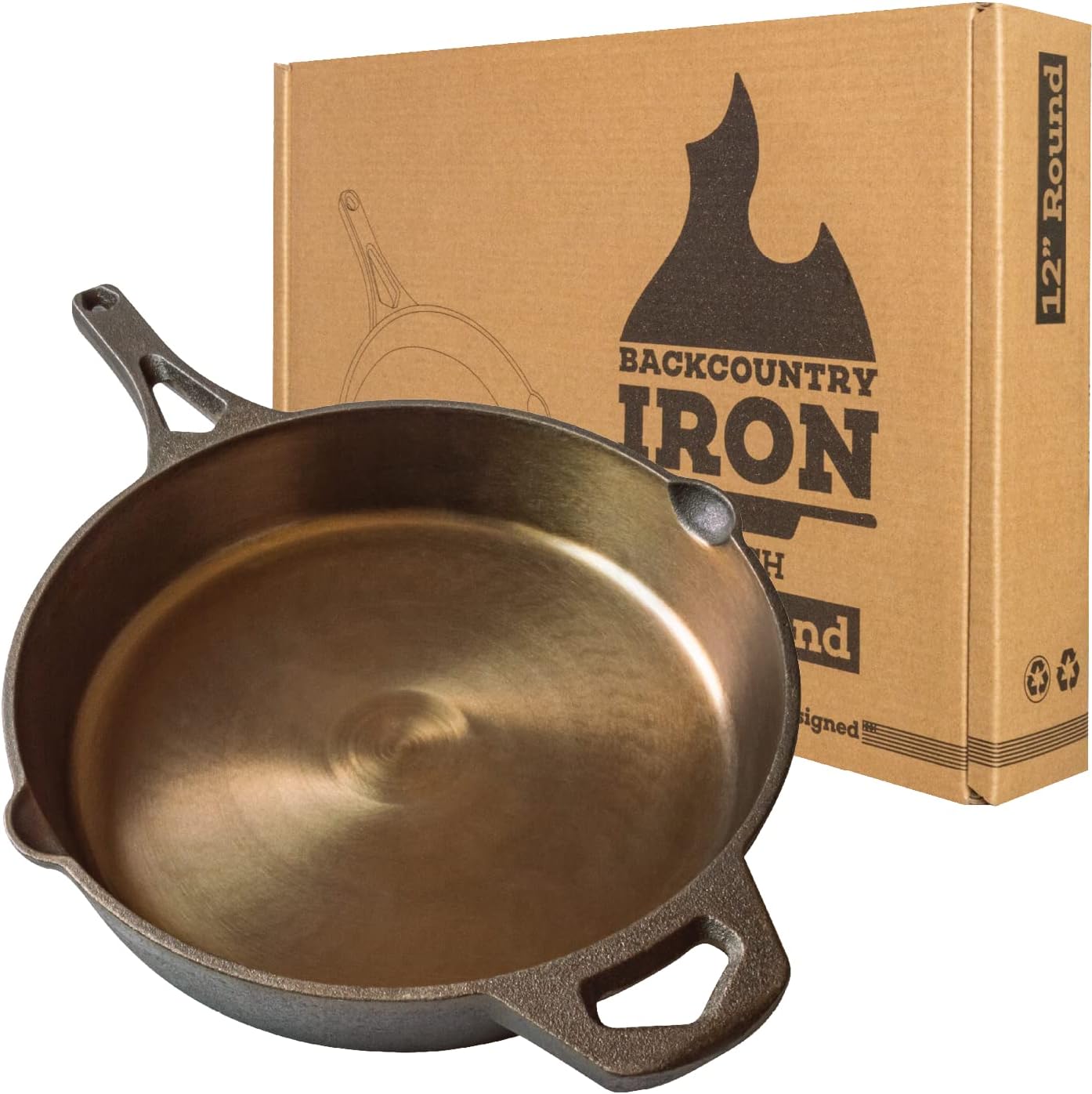
Finding a reliable high quality cast iron skillet changes how you approach everyday cooking, from searing thick ribeye steaks to baking golden cornbread. These versatile kitchen workhorses deliver exceptional heat retention across gas, electric, and induction stovetops, as well as ovens, grills, and open campfires. Investing in a durable pan establishes a foundational tool that handles searing, roasting, and frying with ease.
Exploring different models helps match your specific cooking style with features like machined smooth cooking surfaces, included braiser lids, or lightweight builds designed for effortless maneuvering. Selecting the right skillet depends on your preferred maintenance routine, grip preferences, and typical meal sizes for family dinners.
As an Amazon Associate, StacyLaughs earns from qualifying purchases.
Buying guide
Evaluating Cooking Surface Smoothness
When searching for a high quality cast iron skillet, examining the cooking surface texture is essential for your daily meal preparation. Many modern manufacturers precision-machine their iron surfaces to create a glass-smooth finish that significantly minimizes food sticking. This polished texture helps delicate items like eggs, fish, and pancakes slide effortlessly, closely mimicking the performance of legendary vintage heirlooms.
While slightly textured pans provide initial traction for building thick seasonings over years of use, machined surfaces offer immediate release benefits from day one. Consider whether you prefer a polished feel right out of the box or enjoy cultivating a natural seasoning layer on a more textured base.
Understanding Weight and Maneuverability
Traditional cast iron cookware is famous for being heavy, which directly supports superior heat retention and even browning across meals. However, this heavy mass creates significant physical challenges during routine kitchen transfers. Standard heavy skillets demand substantial upper-body strength when you move fully loaded pans from hot stovetops into deep, pre-heated ovens or wash them in the sink.
Lighter alternative models reduce arm fatigue significantly, allowing you to flip foods and maneuver the pan with much greater agility during busy dinner prep. Assess your personal physical comfort, wrist strength, and upper cabinet storage setup before choosing between a traditional heavyweight iron build and a nimble lightweight skillet.
Assessing Capacity and Sizing Needs
Choosing the right skillet size depends heavily on your household size and the specific types of meals you frequently prepare for family and guests. A twelve-inch skillet provides an expansive cooking surface area for searing multiple thick ribeye steaks simultaneously or baking large batches of golden cornbread for weekend dinner gatherings.
Smaller ten-inch or compact specialty pans fit tighter stovetop burners and narrower cabinet storage spaces, making them exceptionally convenient for everyday single-portion cooking or quick side dishes. Carefully match your pan capacity to your typical cooking volume to ensure every recipe fits comfortably without overcrowding the primary heating zone on your kitchen stove.
Compatibility Across Heat Sources
One of the greatest practical advantages of cast iron cookware is its exceptional versatility across a wide range of indoor and outdoor heat sources. Modern skillets operate reliably on traditional gas burners, electric coil elements, and smooth-surface induction cooktops without requiring any special adapters or electronic modifications during daily cooking and baking tasks.
Beyond the indoor kitchen, you can easily transition these durable pans directly into hot baking ovens, place them over backyard barbecue grills, or set them right on open campfires during weekend camping trips. Carefully verify that your chosen skillet matches your preferred indoor and outdoor cooking environments for maximum long-term utility and performance.
Maintenance and Seasoning Requirements
Proper routine maintenance is absolutely essential for preserving the natural seasoning layer and preventing rust formation on any cast iron skillet. Because raw cast iron can oxidize rapidly when exposed to lingering moisture, manufacturers strongly advise against using dishwashers or soaking pans overnight in sink water after heavy cooking sessions and meals.
Instead, you should always wash your skillet by hand using warm water, dry it thoroughly right away with a clean towel, and apply a light protective layer of cooking oil. Following these simple care steps consistently ensures your iron cookware remains completely rust-free and lasts for multiple generations of heavy daily family cooking.
Evaluating Included Accessories and Lids
Certain cast iron skillet packages include valuable accessories like fitted braiser lids or silicone handle holders that significantly enhance daily kitchen usability and cooking versatility. A heavy-duty matching lid equipped with internal drip points transforms your open frying pan into a closed braiser for tender meat roasting and complex dinner casserole recipes.
Heat-resistant silicone grips protect your hands from extreme thermal temperatures when moving heavy iron pans around the stovetop or oven. Carefully consider whether purchasing a bundled kit containing these extra features provides better overall value for your specific cooking habits, safety preferences, and cabinet storage capabilities in your home.
Frequently asked questions
Can I use a high quality cast iron skillet on an induction cooktop?
Yes, all cast iron skillets are naturally compatible with induction cooktops because cast iron is a magnetic material. When using cast iron on glass or smooth-surface induction cooktops, it is important to place the pan down gently rather than sliding it across the glass to prevent surface scratches. The heavy base provides excellent, even heat distribution on induction burners, making it simple to achieve consistent browning for steaks, vegetables, and pancakes without worrying about compatibility issues or warping under standard cooking temperatures.
How do I clean and maintain my cast iron skillet without ruining the seasoning?
Cleaning cast iron requires avoiding dishwashers, harsh chemical soaps, and overnight soaking, as these practices can strip the seasoning and cause rust. Instead, wash your skillet by hand using warm water and a gentle scraper or brush to remove stuck food particles. Dry the pan thoroughly immediately after washing using a clean towel, then apply a very thin layer of cooking oil across all surfaces to protect the iron. Storing the pan in a dry location will keep your seasoning intact for years.
What is the benefit of a machined smooth cooking surface on a cast iron skillet?
A machined smooth cooking surface is polished down to minimize the rough texture found in standard cast iron pans. This smooth finish provides significantly better food release properties, preventing delicate foods like eggs, fish, and pancakes from sticking during cooking. It also helps create an even, glossy patina over time that rivals vintage heirloom cookware. While it requires the same careful manual maintenance as textured pans, the smooth release surface makes flipping and cleaning up after meals much easier for everyday home cooks.
Are heavy cast iron skillets difficult to maneuver and store?
Traditional heavy cast iron skillets possess substantial thermal mass, which is fantastic for heat retention but adds significant weight that can make maneuvering difficult. Moving a fully loaded pan from a hot stovetop to an oven requires upper-body strength and careful two-handed lifting. Additionally, storing heavy iron pans requires sturdy cabinet shelves or dedicated pan racks that can support the concentrated weight safely. If you prefer a lighter pan for quick flipping and easier lifting, lightweight American-made alternatives offer a practical solution.
Do I need a lid or special accessories for my cast iron skillet?
While a standard skillet functions well on its own for searing and frying, adding a matched lid transforms your pan into a versatile braiser that locks in moisture and heat for tender meals. Accessories like silicone handle holders also provide a secure, heat-resistant grip when transferring hot pans from the oven to the countertop, improving kitchen safety. Evaluating whether your cooking style involves braising or extended oven roasting will help you determine if purchasing a bundled kit with lids and grips is worthwhile.