Appliances · Buying Guide
Best High Quality Copper Cookware for Precision Kitchen Cooking
Selecting the right cookware set transforms everyday meal preparation, particularly when choosing materials renowned for superior thermal responsiveness. High quality copper cookware delivers rapid, uniform heat distribution across the base and sides, allowing home cooks to manage delicate sauces, sautés, and searing tasks with exceptional precision on various traditional and modern kitchen stovetops.
Whether upgrading an existing kitchen arsenal or starting fresh with a matching multi-piece collection, understanding how different multi-ply bonding layers, ergonomic handles, and polished exterior finishes affect daily performance ensures a confident, long-lasting investment. Evaluating construction specifications helps you match specific pots and pans to your everyday cooking style and preferred heat sources.
As an Amazon Associate, StacyLaughs earns from qualifying purchases.
Buying guide
Thermal Conductivity and Core Thickness
Understanding how heat travels through your cookware is essential for achieving precise culinary results. Copper is celebrated for unmatched thermal conductivity, heating rapidly and distributing warmth evenly across bases and sidewalls. When evaluating options, check the copper thickness, as heavier gauges offer greater thermal mass for steady temperature control while thinner layers respond instantly to burner adjustments.
Selecting the right core configuration also impacts temperature stability during heavy searing. Multi-ply designs often combine copper with aluminum and stainless steel layers to enhance structural rigidity and stovetop versatility. Balancing conductivity with durability ensures your investment performs reliably across everyday cooking challenges. Match thickness specifications to your typical recipes, whether you need rapid adjustments for delicate sauces or steady heat retention.
Stovetop Compatibility and Induction Needs
Modern kitchens feature diverse cooktop technologies, making stovetop compatibility a critical purchasing factor. While traditional copper pans excel on gas and electric surfaces, standard copper is non-magnetic and will not work directly on induction burners. If you cook with induction, look for specially bonded collections featuring integrated stainless steel bases or utilize approved interface discs to bridge the gap between burner and pan.
Reviewing manufacturer specifications prevents unexpected compatibility issues before you finalize your kitchen upgrade. Ceramic, halogen, and traditional coil cooktops generally accommodate multi-ply copper cookware without extra accessories. Ensuring your chosen set matches your current or planned kitchen range guarantees seamless meal preparation without frustrating limitations, allowing you to focus entirely on cooking techniques rather than hardware restrictions.
Interior Linings and Food Reactivity
Pure copper reacts negatively with acidic ingredients like tomatoes and citrus, which can discolor the metal and alter food flavors. To solve this, high-quality copper cookware features a durable interior lining, most commonly made of nonreactive stainless steel. This protective layer combines the exterior thermal benefits of copper with the effortless food release and safe culinary properties of modern stainless steel surfaces.
Inspecting the interior composition ensures your pots and pans handle diverse recipes safely over years of regular use. Stainless steel interiors resist staining and do not require specialized re-tinning maintenance over time. When preparing complex dishes involving wine or vinegar, a reliable stainless steel lining provides peace of mind, letting you simmer acidic sauces without worrying about metallic transfer or surface degradation.
Handle Design and Ergonomic Control
Maneuvering heavy pots filled with liquids requires secure, well-balanced handle construction. Cookware sets feature handles crafted from stainless steel, cast iron, or traditional brass, each offering distinct tactile feedback. Ergonomic shapes designed with comfortable grips or central cutouts help reduce hand strain during long cooking sessions. Evaluating how a handle attaches to the pan body reveals much about overall durability and ease of cleaning.
Riveted handles provide permanent structural strength, though traditional protruding rivets can sometimes trap food particles during cleanup. Newer flush-rivet designs offer smooth interior surfaces that make wiping down pan walls much simpler. Consider your personal lifting habits and hand comfort when comparing handle materials, ensuring that heavy stockpots and sautés feel secure and manageable even when loaded with heavy ingredients.
Maintenance Routines and Cleaning Requirements
Maintaining the brilliant exterior shine of copper cookware requires dedicated care routines that differ from standard nonstick pans. Most manufacturers explicitly recommend hand washing with soft cloths rather than placing copper pieces in automated dishwashers. Harsh detergents and abrasive scouring pads can scratch polished finishes and erode protective metallic layers, meaning routine manual upkeep is necessary to preserve long-term visual appeal.
Accepting these maintenance commitments ensures your cookware retains its showroom luster for decades. Regular drying with a soft towel prevents water spots from forming on polished copper and stainless steel surfaces. By following specific manufacturer care guidelines, you protect your investment from premature wear, ensuring that your pots and pans remain stunning centerpieces in your kitchen through years of frequent culinary use.
Piece Selection and Set Composition
Cookware bundles range from compact eight-piece starter kits to expansive twelve-piece culinary collections. Assessing your household size and daily cooking habits helps determine the ideal piece count for your kitchen. A well-rounded set typically includes frying pans in varying diameters, multiple saucepans with matching lids, a versatile sauté pan, and a large stockpot capable of handling family-sized soups and boiling tasks with ease.
Avoid paying for specialized pieces you will rarely use by carefully examining every included component in a collection. If you frequently fry eggs and sear small cuts, prioritize sets offering multiple skillet sizes. Conversely, batch cookers should focus on stockpot capacity and deep sauté dimensions. Matching set contents to your actual cooking repertoire guarantees that every pot and pan earns its storage space.
Frequently asked questions
Can copper cookware be used on induction cooktops?
Standard pure copper cookware is non-magnetic and will not function directly on induction stovetops without special engineering. However, modern manufacturing innovations have introduced induction-compatible copper collections featuring specialized bonded magnetic bases or wrap-around stainless steel layers designed for magnetic burners. If you own an induction range and prefer traditional copper pans lacking built-in magnetic properties, you can purchase separate induction interface discs to bridge the gap safely, allowing your classic copper cookware to heat efficiently on modern magnetic stovetops.
Why do copper pans feature stainless steel interiors?
Pure copper is a reactive metal that interacts negatively with acidic foods such as tomatoes, citrus juices, and vinegars, which can cause metallic discoloration and alter flavor profiles. To prevent this chemical reaction while retaining the phenomenal thermal conductivity of an exterior copper shell, manufacturers line the cooking surface with nonreactive stainless steel. This combination provides the best of both worlds: rapid, even heating across the exterior and a durable, easy-to-clean, food-safe cooking environment that resists staining and preserves authentic flavors.
Do copper cookware sets require hand washing?
Most manufacturers of high-quality copper cookware explicitly recommend hand washing rather than using automated dishwashers. Harsh dishwasher detergents, high water temperatures, and abrasive cycles can dull polished copper finishes, pit exterior metals, and degrade handle components over time. Hand washing your pots and pans with mild soap, warm water, and a soft cloth protects the exterior shine and preserves the structural integrity of bonded layers. Promptly drying each piece with a soft towel also prevents water spots from forming.
How does copper thickness affect cooking performance?
Copper thickness plays a direct role in how pots and pans handle heat during meal preparation. Thinner copper layers offer instant responsiveness, reacting immediately when you adjust burner temperatures up or down, which makes them exceptional for delicate tasks like melting chocolate or simmering sauces. Thicker two-millimeter or multi-ply copper gauges provide greater thermal mass, delivering superior heat retention and stability for heavy searing and browning tasks. Selecting the right thickness depends entirely on your preferred culinary style.
Are glass lids better than metal lids on copper pots?
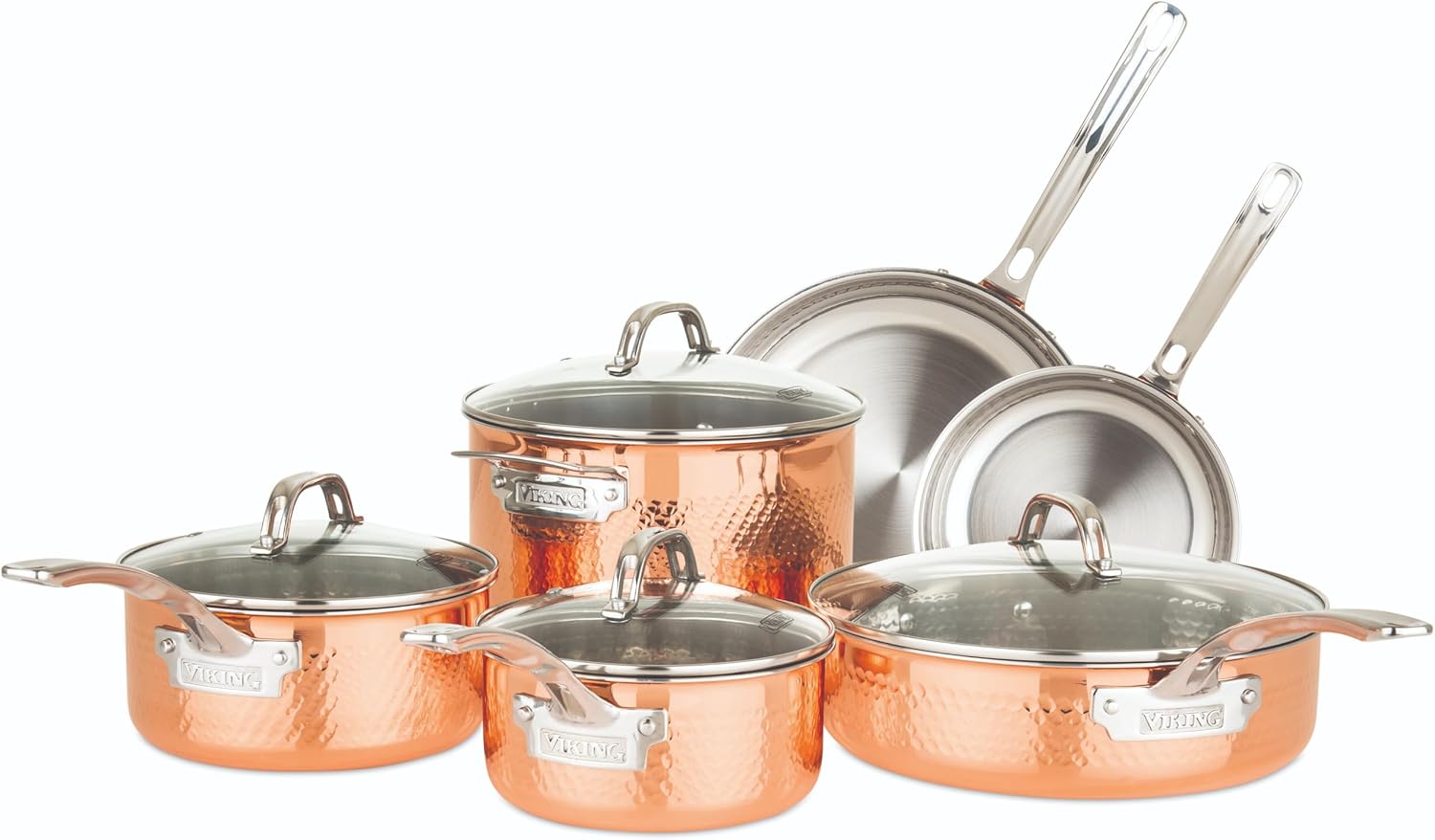
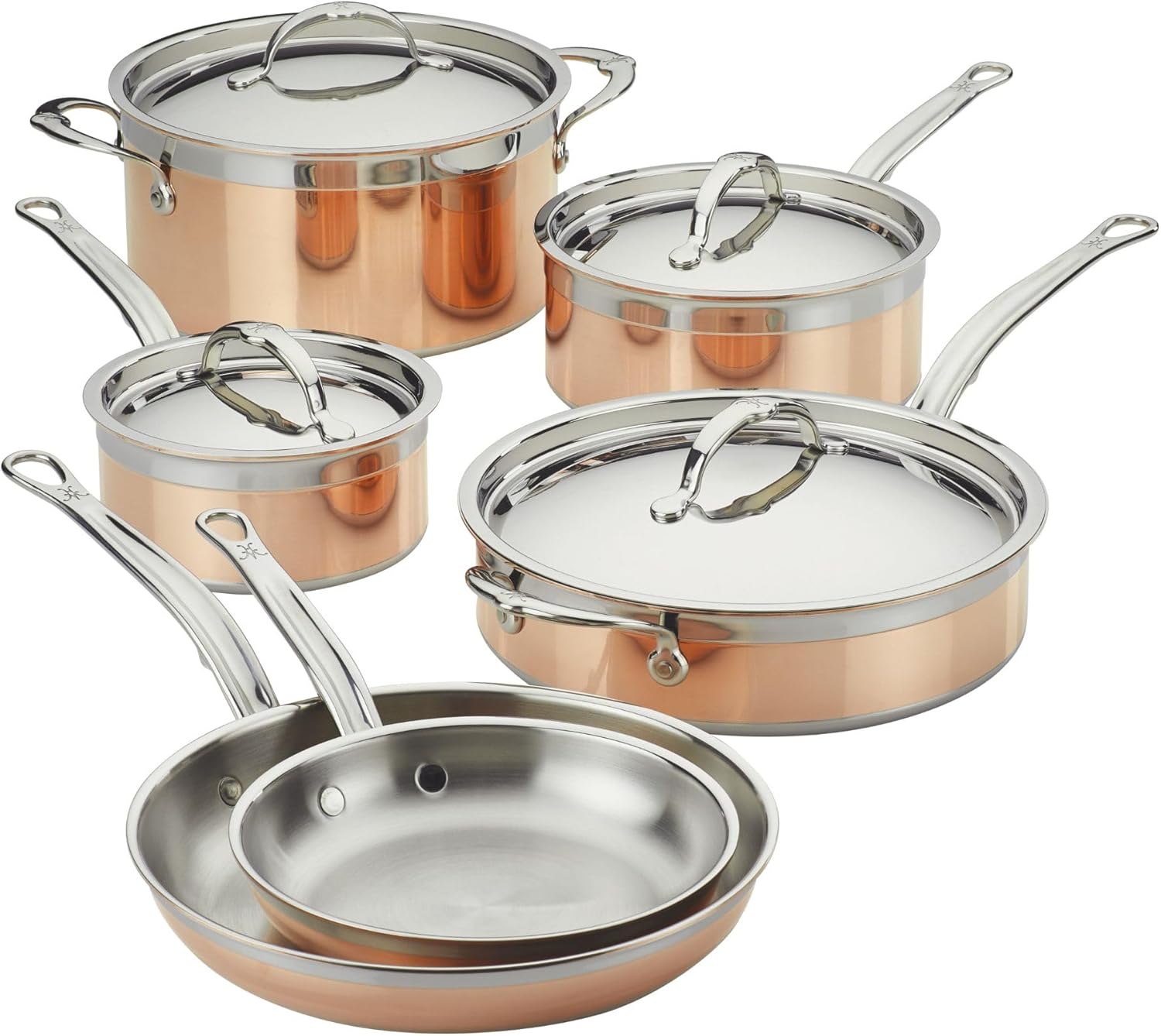
Choosing between glass and metal lids depends largely on your personal cooking preferences and kitchen habits. Vented glass lids allow you to monitor food progress visually without lifting the cover, helping trap moisture while reducing the risk of accidental boil-overs during long simmering recipes. Metal lids offer greater durability, withstand higher oven temperatures without glass limitations, and provide a classic, uniform aesthetic that matches traditional copper exteriors. Consider your typical oven usage and monitoring style when deciding between lid materials.