Appliances · Buying Guide
Best Highest Rated Non Stick Cookware for Everyday Kitchens
Finding reliable kitchen gear often starts with identifying the highest rated non stick cookware available on the market today. Home cooks and busy families alike look for dependable pots and pans that streamline meal preparation and simplify cleanup routines without demanding constant scrubbing or specialized maintenance steps. Selecting the right collection transforms how you handle everything from delicate morning eggs to large evening stews.
Navigating various materials, piece counts, and stove compatibilities helps you choose a set matching your culinary habits. Whether you prefer hard-anodized aluminum or hybrid stainless steel designs, understanding specific construction traits ensures your kitchen investment performs reliably through daily breakfast, lunch, and dinner tasks while fitting seamlessly into your storage space.
As an Amazon Associate, StacyLaughs earns from qualifying purchases.
Buying guide
Material Construction and Durability
Choosing the right material forms the foundation of any reliable cookware investment for your home kitchen. Hard-anodized aluminum provides exceptional resistance against warping and corrosion while ensuring even heat distribution across gas and electric burners. This robust metal foundation supports intensive daily meal preparation without showing premature structural fatigue or degradation over extended periods of regular use.
Alternatively, hybrid stainless steel options combine structural metal strength with advanced ceramic coatings for enhanced scratch resistance and rapid thermal response. Evaluating how these distinct materials handle daily wear and tear helps secure long-term kitchen performance tailored specifically to your family cooking style, cleaning habits, and daily stovetop equipment requirements.
Stovetop Compatibility Requirements
Stovetop compatibility remains a critical factor when selecting new pots and pans for your household. Traditional hard-anodized aluminum collections work seamlessly on gas, electric coil, and smooth ceramic glass cooktops without missing a beat. Understanding your kitchen heating setup thoroughly ensures that every new pan you buy heats efficiently and performs reliably during daily meal preparation routines.
Modern magnetic induction ranges require specialized magnetic stainless steel bases built directly into the cookware construction. Checking your specific cooktop type beforehand prevents purchasing incompatible items that cannot generate proper thermal energy, saving you valuable time, money, and frustration during your overall kitchen upgrade process.
Piece Count and Set Configuration
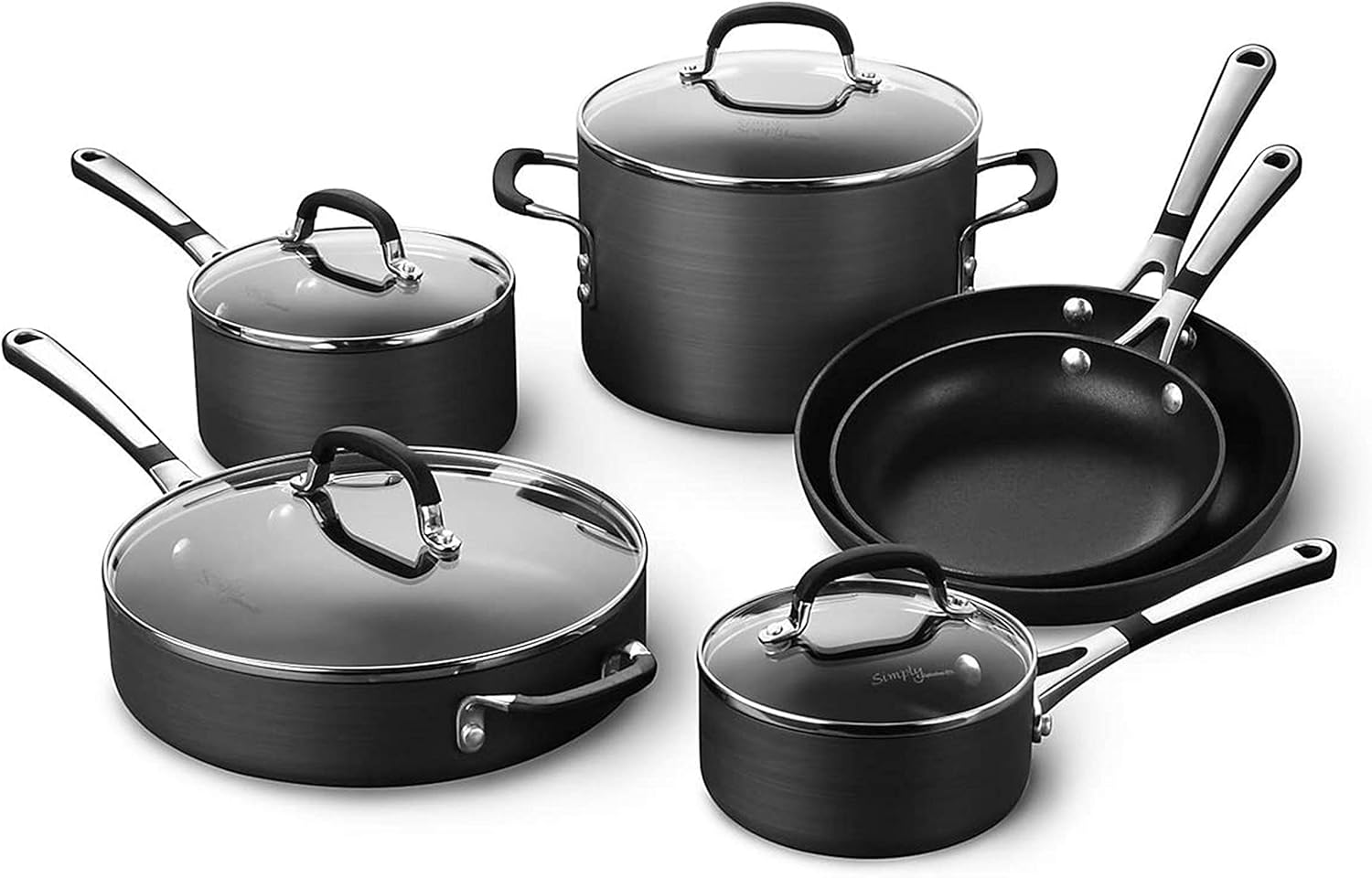
Cookware sets range from compact ten-piece bundles to expansive collections exceeding twenty items. Assessing your typical cooking volume and menu style helps determine whether a smaller set suffices or if you genuinely need specialty fry pans and stockpots. Matching your household size to the included components prevents clutter while guaranteeing you have the right vessel for every recipe.
Larger bundles often include extra stockpots, sauté pans, and matching utensils, pan protectors, or steamers to cover diverse culinary needs. Balancing your available cabinet storage capacity against your cooking ambitions ensures you select a practical configuration that enhances your kitchen workflow without creating overwhelming clutter in your cupboards.
Cleaning and Maintenance Guidelines
Proper maintenance preserves the longevity and food release performance of nonstick cooking surfaces over years of service. While many modern sets claim dishwasher-safe convenience, manufacturer guidelines frequently recommend gentle hand-washing with mild soap to protect exterior finishes and nonstick layers. Adopting a careful cleaning routine prevents accidental damage from crowded dishwasher racks and harsh detergent formulas.
Avoiding abrasive metal scouring pads and harsh chemical cleaning agents prevents premature scratch formation on specialized coatings. Following these straightforward care practices keeps your pots and pans looking pristine and functioning smoothly, ensuring your cookware investment continues delivering effortless food release and reliable daily performance for your household.
Handle Comfort and Lid Design
Ergonomic handles and secure lids significantly improve safety and control during active cooking sessions on the stove. Long silicone stay-cool handles protect your hands from high heat transfer while maintaining a firm, reassuring grip when lifting heavy items. This thoughtful ergonomic design reduces hand fatigue during lengthy meal preparation tasks and busy kitchen workflows.
Vented tempered glass lids allow you to monitor simmering soups and sauces without releasing trapped moisture and heat into your kitchen. Evaluating these construction elements ensures comfortable handling when moving loaded pots across burners, keeping your cooking process secure, efficient, and thoroughly enjoyable from start to finish every single day.
Utensil Compatibility and Safety
Protecting delicate nonstick coatings requires careful selection of cooking utensils during daily meal preparation routines. While traditional nonstick surfaces strictly demand wooden, plastic, or silicone tools to prevent scratching, advanced hybrid ceramic coatings offer greater metal utensil tolerance for added everyday convenience. Knowing your cookware limits prevents accidental surface gouges and maintains quality.
Understanding what tools your specific pots and pans support prevents accidental surface damage and extends overall coating life significantly. Matching your kitchen accessories to your chosen cookware specifications guarantees lasting nonstick performance, ensuring smooth food release remains intact meal after meal without unexpected degradation or loss of function across years of use.
Frequently asked questions
Can I use metal utensils on nonstick cookware?
Using metal utensils depends entirely on the specific manufacturing technology of your cookware set. Traditional nonstick coatings require wooden, silicone, or plastic tools to prevent surface scratching and premature wear. However, advanced hybrid collections featuring diamond-reinforced or ultra-tough ceramic surfaces are engineered to withstand metal utensils without compromising nonstick performance. Always check the manufacturer guidelines for your exact product before introducing metal spatulas or whisks to avoid accidental damage and maintain effortless food release over time.
Are hard-anodized aluminum pots and pans dishwasher safe?
Many modern hard-anodized aluminum cookware sets advertise dishwasher-safe construction for convenient cleanup. Despite this capability, manufacturers frequently recommend gentle hand-washing with mild soap and non-abrasive sponges to protect the exterior finish and preserve the nonstick coating. Automated dishwashers use harsh detergent formulas and intense water jets that can cause dulling or wear over extended cycles. Reviewing specific brand care instructions helps you balance everyday cleaning convenience with the long-term preservation of your cookware investment.
Do all non stick cookware sets work on induction cooktops?
Not all nonstick cookware sets are compatible with modern induction cooktops. Traditional aluminum pots and pans often lack the magnetic properties required to generate heat on induction ranges, making them suitable only for gas, electric, and ceramic glass cooktops. If your kitchen utilizes an induction heating surface, you must select cookware collections specifically engineered with a stainless steel or magnetic base. Always verify compatibility options in the product specifications before purchasing to ensure proper heating performance across your burners.
What does hard-anodized aluminum mean for durability?
Hard-anodized aluminum is created through an electrochemical process that hardens the metal, making it significantly denser and more durable than standard aluminum. This specialized treatment produces cookware that resists everyday corrosion, warping, and scratching far better than ordinary pots and pans. The resulting structure stands up to rigorous daily cooking demands while maintaining even heat distribution across burners. Choosing hard-anodized cookware ensures your kitchen investment maintains its structural integrity and reliable performance over years of regular meal preparation.
How should I clean my nonstick pots and pans?
Cleaning nonstick cookware properly involves following manufacturer care instructions, which often emphasize gentle hand-washing over automated dishwasher cycles. Use a soft sponge or cloth paired with mild dish soap to wipe away food residue without scratching the delicate coating. Avoid abrasive scouring pads, steel wool, or harsh chemical cleaners that can compromise the nonstick surface. For tougher residues, soaking the pan in warm soapy water helps loosen food naturally before wiping clean with a paper towel or soft brush.