Appliances · Buying Guide
Best Induction Compatible Cookware Set Options for Everyday Kitchens
Choosing the right cookware for an induction cooktop involves looking at base construction, material types, and everyday piece counts. Induction cooktops require magnetic materials like stainless steel or specially bonded aluminum bases to generate heat efficiently. Selecting a matching set ensures you have the correct pot or pan for boiling water, searing meats, or simmering sauces without guessing if a specific piece will activate your burner surface.
Beyond magnetic compatibility, considerations like handle comfort, lid materials, and cleanup methods shape your routine. Some setups feature traditional stainless steel exteriors for durability, while others rely on hard-anodized aluminum or ceramic non-stick coatings for effortless food release. Reviewing the specific composition and included pieces helps match a kitchen bundle to your cooking style and spatial requirements.
As an Amazon Associate, StacyLaughs earns from qualifying purchases.
Buying guide
Material Composition and Heat Distribution
Selecting the right material composition is essential for achieving consistent cooking results on an induction cooktop. Induction surfaces rely on magnetic fields to generate heat directly within the cookware base, meaning aluminum or copper pans require bonded stainless steel plates to function properly. Multi-ply stainless steel options sandwich aluminum cores between steel layers, spreading heat evenly from the bottom up the sidewalls.
Hard-anodized aluminum and die-cast constructions offer alternative pathways for thermal efficiency, often paired with thick magnetic bases. Evaluating how a set distributes heat helps prevent hot spots that can scorch delicate sauces or leave meats unevenly seared. Matching your cooking preferences to the underlying metal ensures long-term durability and reliable performance across daily meal routines.
Piece Counts and Included Vessels
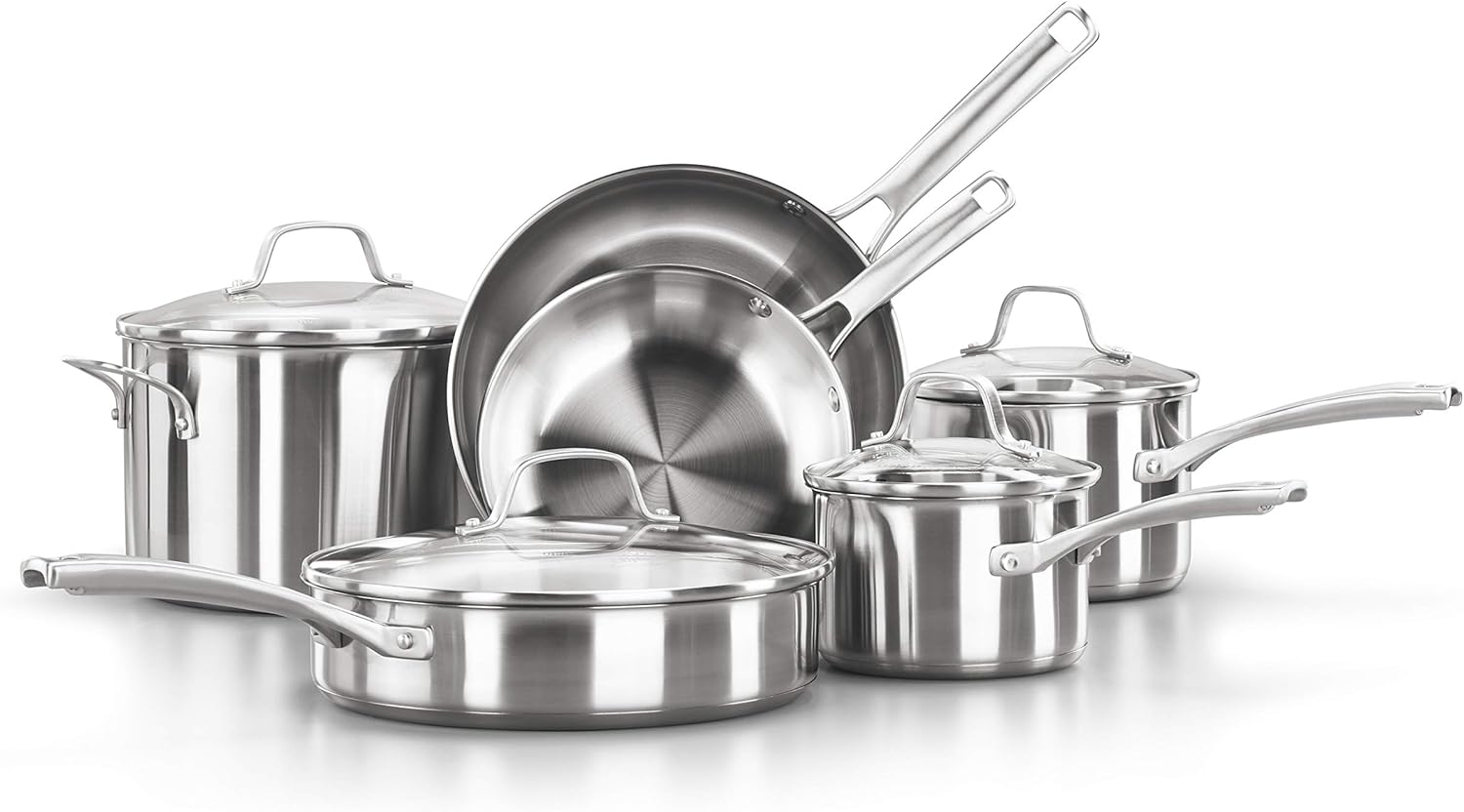
Assessing the number of pieces in a cookware set ensures you receive the specific pots and pans required for your kitchen habits. Smaller ten-piece collections usually cover foundational items like fry pans, basic saucepans, and a standard stockpot. Larger fourteen-piece bundles expand your options by introducing specialty pans, casserole dishes, and multi-purpose utensils or protective storage pads.
Consider whether a bundle includes specialized additions such as vegetable steamer inserts or helper handles on larger sauté pans. Reviewing the inventory prevents you from purchasing duplicate items or missing essential vessels for hosting family dinners. Choosing a balanced assortment aligns your investment directly with your typical weekly recipes.
Surface Coatings and Food Release
Interior surface choices heavily influence how easily foods release from the pan and how much oil you need during cooking. Ceramic non-stick surfaces provide smooth food sliding capabilities without relying on traditional chemical coatings, making them popular for low-fat meal preparation. These options clean up rapidly with minimal effort, often requiring only a soft sponge or gentle rinse.
Stainless steel and hard-anodized interior surfaces take a different approach, allowing cooks to develop rich fond for pan sauces and withstand higher cooking temperatures. While stainless steel demands proper preheating to minimize sticking, it resists scratching from metal utensils. Balancing non-stick convenience against traditional metal durability guides you toward the best daily cooking experience.
Handle Design and Ergonomic Comfort
Handle construction dictates how safely and comfortably you can maneuver pots and pans between burners and countertops. Riveted stainless steel handles provide secure, permanent attachment without loosening over time, and many designs incorporate hollow profiles to stay cool on the stovetop. Ergonomic shapes reduce hand strain when lifting heavy stockpots filled with water or ingredients.
Alternative handle materials, such as Bakelite with wood-grain finishes, offer anti-scald properties and comfortable grips during active stovetop stirring. However, non-metal handles often restrict maximum oven safety temperatures compared to full stainless steel builds. Reviewing handle specifications helps balance stovetop comfort against your baking requirements and ensures safe handling during every culinary task.
Lids, Rims, and Pouring Features
Lids and rim designs contribute significantly to everyday kitchen efficiency by retaining heat, preventing splashes, and simplifying liquid transfer. Tempered glass lids allow you to monitor food progress without lifting the cover, while stainless steel lids offer robust durability. Taped rims and integrated pour spouts help drain liquids cleanly without requiring separate colanders or creating messy drips.
Pay attention to the temperature limits of glass covers, as they frequently feature lower maximum oven thresholds than metal pans. Selecting lids with secure knobs and proper venting features enhances safety during boiling and simmering tasks. Evaluating these small design elements prevents minor kitchen frustrations over time and supports smooth workflow transitions.
Cleanup and Maintenance Requirements
Understanding cleaning and maintenance requirements preserves the lifespan and performance of your induction-compatible cookware set. Many stainless steel and hard-anodized collections are dishwasher-safe, allowing for straightforward post-meal cleanup routines after heavy family dinners. However, manufacturer guidelines for ceramic non-stick sets frequently recommend gentle hand washing to protect the delicate coating against harsh dishwasher detergent formulas.
Taking time to hand wash non-stick pans or properly condition stainless steel surfaces prevents premature wear and maintains optimal food release. Reviewing care instructions before purchase ensures your maintenance routine matches your daily schedule. Selecting a set that fits your cleaning habits keeps your kitchen running smoothly for years.
Frequently asked questions
How do I know if my cookware works on an induction cooktop?
Induction cooktops require magnetic materials to complete the circuit and generate heat. You can easily test any pot or pan by holding a common refrigerator magnet to the bottom of the vessel. If the magnet clings firmly to the base, the cookware is induction-compatible. Most modern stainless steel and specially bonded aluminum pans include magnetic bases, but pure copper or standard glass items will not activate an induction burner without a magnetic disc layer.
Can I put stainless steel cookware sets in the oven?
Most stainless steel cookware sets are safe for oven use, but you must check the specific temperature limits designated for each collection. Many stainless pans withstand temperatures up to five hundred degrees Fahrenheit, making them versatile for finishing dishes or roasting meats. However, tempered glass lids included in these sets usually have lower maximum thresholds around four hundred fifty degrees Fahrenheit. Always verify manufacturer ratings before transferring pots directly from the stovetop into a hot oven.
Are ceramic non-stick cookware sets safe for dishwashers?
While some hard-anodized and stainless collections feature dishwasher-safe construction, ceramic non-stick sets generally recommend hand washing. Harsh automatic dishwasher detergents and high heat cycles can degrade ceramic non-stick coatings over time, reducing their smooth food release performance. Washing ceramic pans gently by hand with warm, soapy water and a soft sponge helps preserve the non-stick surface. Always review the specific care instructions provided by the manufacturer for your chosen set.
What is the advantage of tri-ply clad stainless steel?
Tri-ply clad construction features a pure aluminum core sandwiched between exterior and interior layers of stainless steel, extending edge to edge from the bottom up the sidewalls. This design distributes heat evenly across the entire cooking surface, eliminating hot spots and cold zones. The rapid response to burner adjustments allows for precise temperature control, which is especially useful when simmering delicate sauces or achieving an even sear on proteins.
Do stainless steel handles stay cool during cooking?
Many stainless steel handles are designed with hollow profiles or riveted attachments intended to dissipate heat, allowing them to remain cool to the touch during normal stovetop cooking. However, if you use the cookware inside an oven or over high heat for extended periods, the metal handles will conduct heat and become hot. You should always use protective oven mitts or thick potholders when removing stainless steel pots and pans from the oven or broiler.