Appliances · Buying Guide
Best Induction Compatible Copper Cookware for Modern Kitchens
Finding the right cookware for modern kitchens often means balancing rapid heat conduction with induction cooktop compatibility. Traditional copper pots offer exceptional thermal control, but modern manufacturing now bonds these materials with stainless steel or aluminum cores to ensure they work seamlessly across magnetic induction surfaces without sacrificing aesthetic appeal or cooking precision.
When shopping for induction compatible copper cookware, understanding construction types helps match your cooking style with the right set. Whether you prefer fully clad multi-ply designs, hammered finishes, or ceramic-infused options, evaluating core layers, handle ergonomics, and cleanup requirements ensures you select durable kitchen tools that perform reliably on gas, electric, and induction cooktops alike.
As an Amazon Associate, StacyLaughs earns from qualifying purchases.
Buying guide
Evaluating Construction Types
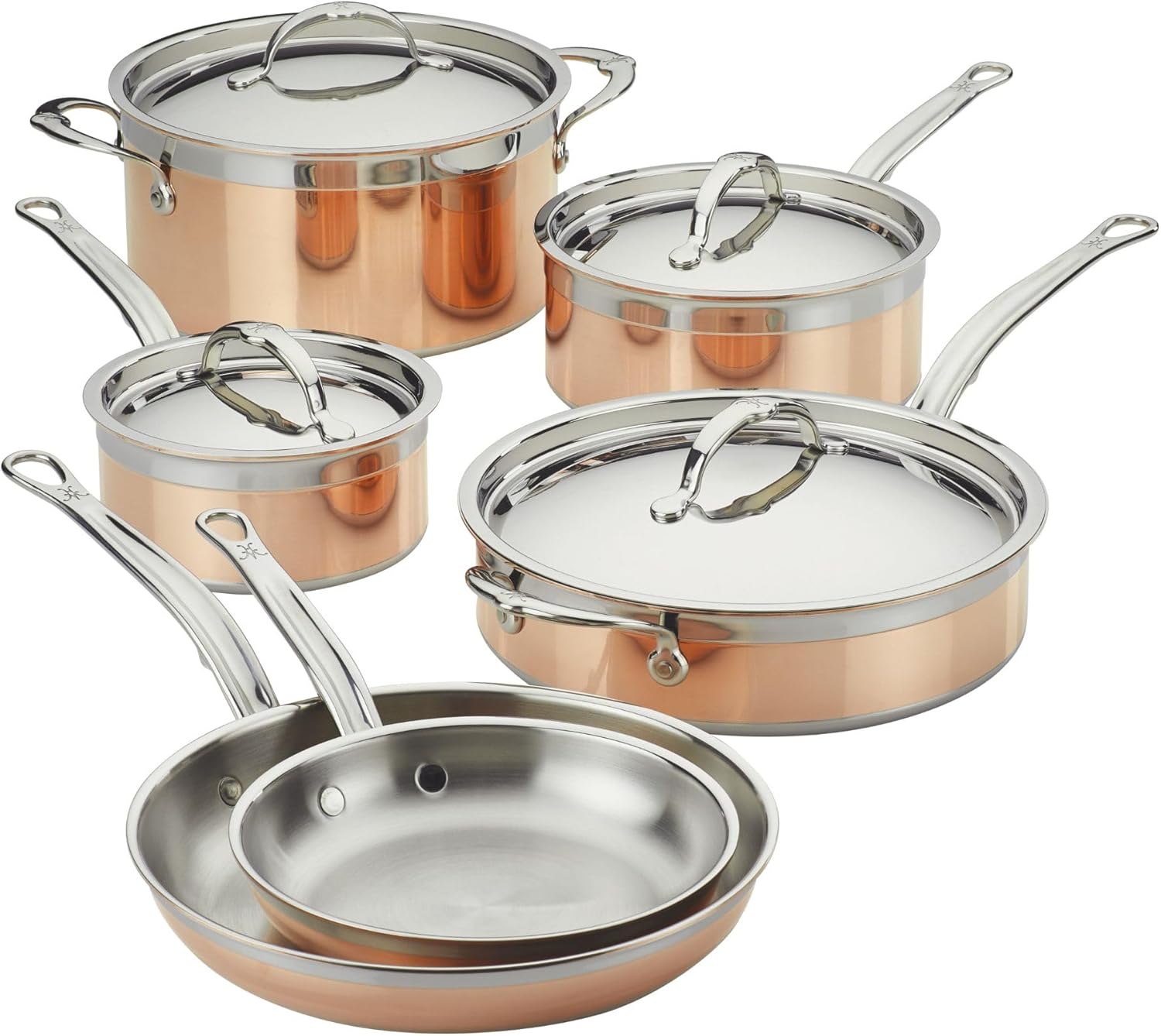
Choosing induction compatible copper cookware begins with carefully examining how different metal layers are bonded together during manufacturing. Fully clad tri-ply options extend conductive copper or aluminum layers all the way up the sidewalls, preventing hot spots and ensuring uniform heat distribution across the entire cooking vessel. This comprehensive construction style greatly benefits simmering delicate sauces and searing proteins evenly.
Alternative collections feature specialized wrap-around stainless steel bases optimized specifically for magnetic induction efficiency while displaying a brilliant polished copper exterior. Understanding whether you prefer a thick pure metal core or a multi-layer hybrid design helps narrow down choices based on your daily meal preparation routines, cleanup preferences, and specific kitchen stovetop requirements.
Understanding Induction Efficiency
Induction cooktops rely entirely on magnetic fields to heat cookware directly, meaning your copper pots must include compatible magnetic base materials. Because pure copper is naturally non-magnetic, manufacturers apply specialized stainless steel bases or magnetic outer layers to ensure seamless energy transfer. Checking these base specifications guarantees your cookware heats efficiently without wasting household electrical power.
Thicker induction-optimized bases also improve thermal uniformity across the entire cooking surface, significantly reducing the likelihood of scorched food centers. When shopping, look for bonded stainless steel outer plates that cover the bottom thoroughly, maximizing contact with the glass cooktop burner for faster boiling times and steady simmering control during complex recipes.
Managing Maintenance and Care
Maintaining copper cookware requires mindful cleaning habits to preserve its distinctive exterior finish over years of regular kitchen use. While certain modern sets feature dishwasher-safe ceramic coatings or protective stainless steel exteriors, traditional pure copper surfaces often demand hand washing with gentle cleansers and soft cloths to prevent natural tarnishing or dullness from developing over time.
Following manufacturer care guidelines diligently protects both the exterior polish and internal cooking layers from premature cosmetic wear during everyday meal preparation. Avoiding abrasive metal scouring pads and harsh chemical detergents keeps metallic finishes looking bright and attractive, ensuring your kitchen investment maintains its visual charm alongside dependable cooking performance on modern induction stovetops.
Evaluating Handle Ergonomics
Comfortable handles make a significant difference during long cooking sessions or when transferring heavy pots filled with boiling liquids. Look for ergonomically shaped stainless steel handles that provide a secure, balanced grip for your hands. Many quality sets incorporate hollow interior designs or specialized V-shaped thermal connections engineered to dissipate heat and keep handles cooler during active stovetop cooking.
Riveted handle attachments also offer superior structural strength compared to welded alternatives, ensuring that grips remain firmly attached over thousands of stirs and heavy lifts. Testing how a handle feels in your palm helps prevent hand fatigue and ensures safe maneuvering from the burner directly to the oven.
Assessing Capacity and Pieces
Selecting the right piece count and individual pot capacities depends entirely on your household size and typical meal preparation habits. Smaller sets featuring shallow skillets and compact saucepans suit individuals or couples preparing quick weekday meals. Larger multi-piece collections provide versatile stockpots and deep sauté pans necessary for hosting family gatherings and executing complex batch cooking tasks.
Reviewing individual vessel dimensions helps ensure your cookware collection accommodates your favorite recipes without overcrowding your stovetop burners or straining your kitchen storage space. Choosing balanced configurations prevents you from paying for redundant pans you rarely use while securing all essential everyday cooking vessels.
Lid Design and Visibility
Lids play an essential role in trapping heat, sealing in natural moisture, and accelerating boiling times across your various cooking vessels. Tempered glass lids allow you to monitor food progress visually without lifting the cover and releasing valuable thermal energy. On the other hand, solid stainless steel or matching copper lids offer enhanced durability and a unified aesthetic appeal.
Checking maximum oven temperature ratings for your chosen lids is equally important if you frequently finish baked dishes inside the hot oven or under the kitchen broiler. Selecting the right lid material ensures safe high-heat cooking performance and convenient visual monitoring during everyday meal preparation routines without compromising safety limits.
Frequently asked questions
Do copper pots work on induction cooktops?
Yes, copper pots work on induction cooktops provided they feature a bonded magnetic stainless steel base or an encapsulated induction-optimized plate. Because pure copper is a non-magnetic metal, induction burners cannot generate an electromagnetic current with copper alone. Manufacturers solve this engineering challenge by embedding magnetic steel layers or wrapping the bottom with induction-safe materials, allowing you to enjoy the rapid heat conduction of copper while utilizing modern magnetic cooktops safely, effectively, and efficiently across your kitchen.
Can induction compatible copper cookware go in the dishwasher?
Dishwasher safety varies by specific product construction and exterior finishes. While some modern sets featuring ceramic nonstick coatings or stainless steel exteriors are rated as dishwasher safe, traditional pure copper cookware typically requires hand washing with gentle cloths to prevent tarnishing. Running copper pots through harsh automatic dishwasher cycles can dull polished finishes and degrade outer layers over time. Always consult the manufacturer care guidelines before placing any copper cookware into a dishwasher.
Why is a stainless steel interior used in copper cookware?
A stainless steel interior is used in copper cookware because raw copper reacts negatively with acidic foods like tomatoes and citrus, which can alter flavors and degrade the metal surface. Nonreactive eighteen-ten stainless steel provides a durable, food-safe cooking surface that resists corrosion and cleans easily. This combination pairs the exceptional thermal conductivity and rapid temperature response of an exterior copper layer with the safety and longevity of a stainless steel cooking zone.
Are copper pots oven safe?
Many induction compatible copper cookware sets are oven safe, but maximum temperature limits vary depending on the specific materials used in the handles and lids. Some collections withstand temperatures up to six hundred degrees Fahrenheit for both pan bodies and metal lids, while sets featuring tempered glass lids or specialized coatings often have lower thermal limits around four hundred twenty-five degrees. Reviewing product specifications before baking ensures safe handling under high heat.
How do I prevent my copper cookware from tarnishing?
Preventing tarnish on copper cookware involves regular cleaning with mild dish soap, soft cloths, and specialized copper cleansers recommended by the manufacturer. Avoid using abrasive scouring pads or harsh chemical detergents that can scratch polished metal surfaces and accelerate wear. Drying pots thoroughly with a soft cloth immediately after washing also prevents water spots and mineral buildup, helping maintain the brilliant mirror or hammered finish of your copper collection over years of use.