Appliances · Buying Guide
Best Induction Compatible Frying Pan Choices for Daily Cooking
Finding the right cookware for modern cooktops requires matching your cooking style with reliable materials and sturdy construction. An induction compatible frying pan uses magnetic bases or specialized core layers to conduct heat efficiently across various stove types. Whether you are searing meats or flipping delicate morning eggs, understanding how different core builds and nonstick surfaces perform helps you choose an option that suits your kitchen routine.
The market offers diverse choices ranging from classic stainless steel multi-layer builds to cast aluminum options equipped with specialized coatings. Examining features like handle designs, oven temperature limits, and included lids ensures you pick a skillet tailored to your daily meal preparation needs. Reviewing these specific attributes allows you to evaluate how each pan handles everyday stovetop tasks without relying on guesswork or exaggerated claims.
As an Amazon Associate, StacyLaughs earns from qualifying purchases.
Buying guide
Core Material and Heat Distribution
Choosing the right core material ensures your frying pan heats efficiently on a modern induction cooktop. Aluminum cores provide rapid and uniform thermal conductivity, spreading warmth quickly across the entire cooking surface. Cast aluminum and multi-layer tri-ply stainless steel builds actively prevent localized hot spots that can scorch delicate foods during daily meal preparation tasks and high-heat cooking sessions.
Stainless steel exteriors add structural durability and the necessary magnetic properties required for smooth surface induction ranges. Evaluating how a manufacturer constructs the base helps you determine if the pan will maintain flat contact with burners over time. Selecting robust core materials guarantees steady cooking performance whether you are searing thick meats or simmering light sauces.
Nonstick Surface Options
Nonstick coatings significantly reduce the amount of oil needed for everyday frying, making cooking and subsequent cleanup much easier. Options range from reinforced synthetic PTFE layers to natural ceramic surfaces designed to release delicate items like eggs and pancakes effortlessly. Understanding these coating types helps you select a skillet that matches your preferred cooking style and dietary habits at home.
Different coatings interact uniquely with metal utensils and cleaning tools. While some reinforced surfaces tolerate heavy daily use, ceramic finishes often require non-metal utensils to prevent scratching. Reviewing the specific coating description ensures you maintain the nonstick properties over months of regular cooking without damaging the underlying material layer during meal cleanup routines.
Handle Comfort and Safety
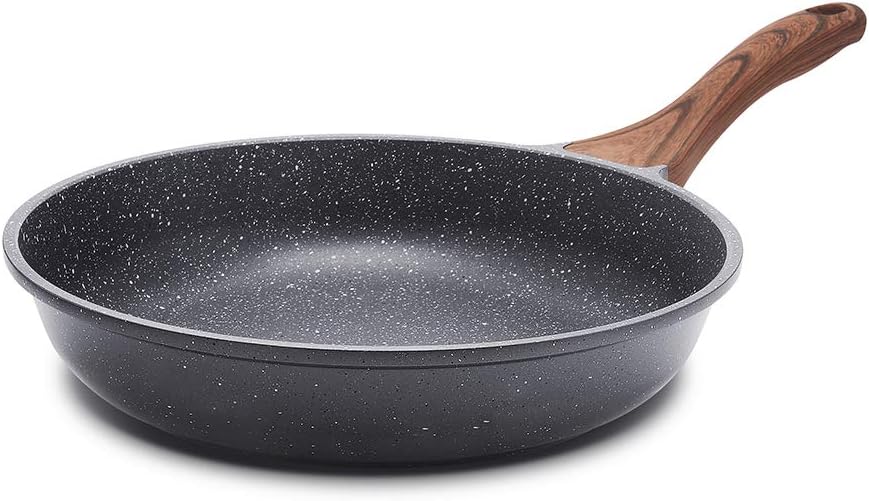
Handle design plays a crucial role in daily kitchen safety and comfort during heavy cooking tasks. Bakelite handles with woodgrain styling remain cool to the touch on the stovetop, protecting your hands from ambient heat. Stainless steel handles offer robust durability and secure riveted attachments, though they may require protective mitts during prolonged high-temperature oven sessions.
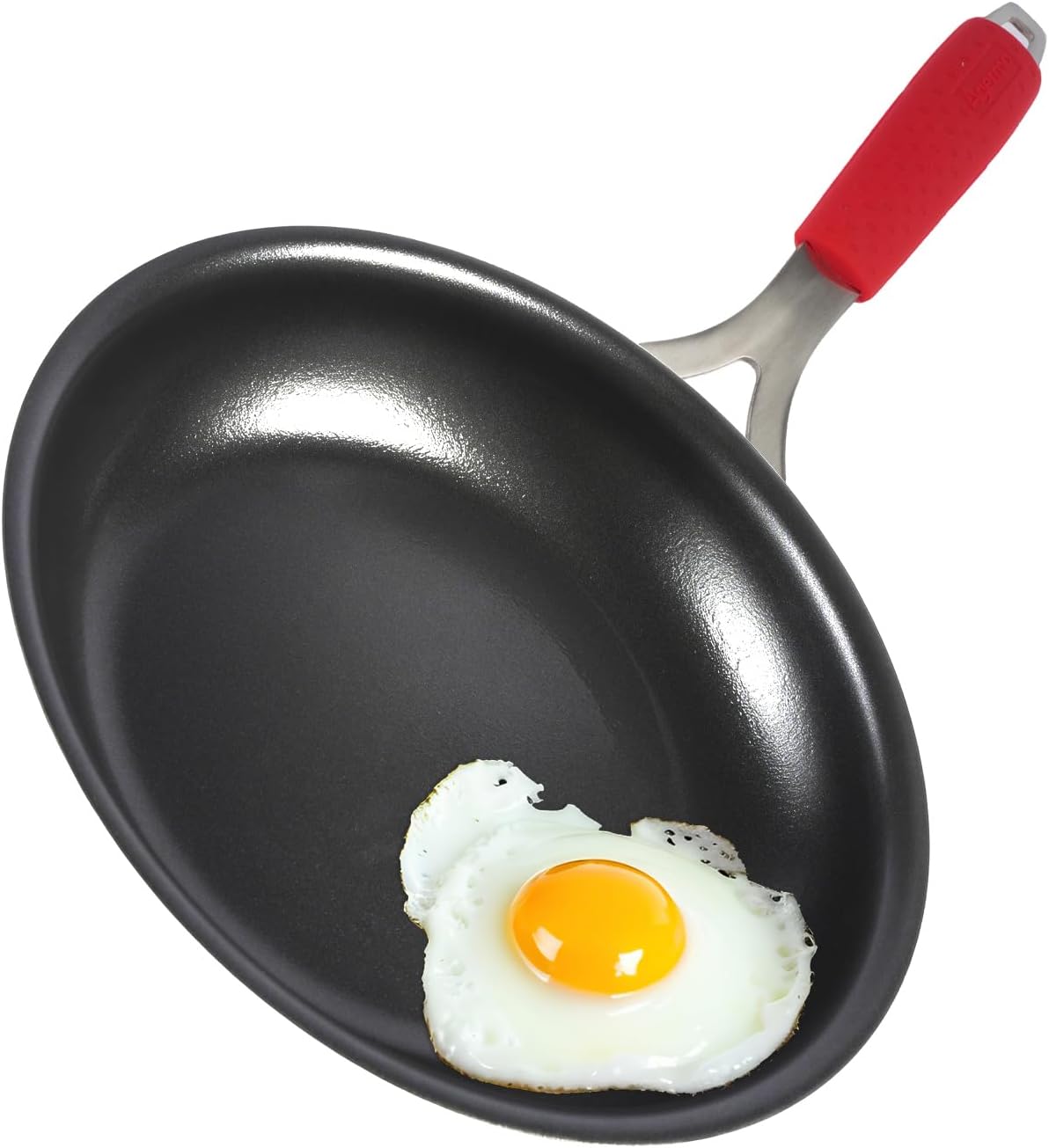
Some modern skillets feature detachable handles paired with silicone sleeves, providing an excellent space-saving solution for crowded cabinets or RV storage. Evaluating how a handle attaches to the pan body helps you find an ergonomic grip that suits your physical reach and storage constraints. A secure handle prevents slips when moving heavy, food-filled pans.
Oven and Stovetop Compatibility
Cooktop versatility ensures your frying pan transitions smoothly from surface burners to the oven interior. While induction compatibility is essential for magnetic cooktops, checking maximum temperature limits prevents warping or material degradation during baking and broiling. Many quality pans safely withstand temperatures ranging from three hundred degrees up to five hundred degrees Fahrenheit.
Always verify whether included components, such as glass lids or silicone handle sleeves, share the same temperature threshold as the pan body. Removing silicone parts before using a skillet under a broiler protects the accessories from heat damage. Matching your recipes to the correct temperature limits ensures safe operation across all cooking environments.
Size and Capacity Considerations
Selecting the appropriate pan diameter and capacity depends heavily on your household size and typical meal portions. Smaller eight-inch or nine-inch skillets excel at frying single eggs, small omelets, or side dishes quickly. Larger ten-inch to twelve-inch fry pans accommodate family-sized entrees, whole meats, and generous portions of vegetables without overcrowding the cooking surface during meal preparation.
Consider your available cabinet and drawer space when choosing wider pans or multi-piece sets. Larger cookware requires significantly more storage room and adds noticeable weight to your daily lifting routine. Balancing your capacity requirements with your physical storage layout ensures your new frying pan remains convenient to access and use.
Maintenance and Cleaning Needs
Proper maintenance routines preserve the lifespan and performance of your induction-compatible frying pan over years of service. Many models feature dishwasher-safe construction for rapid cleanup, while others recommend gentle hand washing with mild soap and non-abrasive sponges to protect specialized nonstick coatings. Following manufacturer guidelines prevents premature wear on delicate ceramic or PTFE layers.
Avoiding metal utensils on sensitive nonstick surfaces prevents scratches and maintains smooth food release. Storing pans carefully, especially when stacking multiple pieces, protects the interior coatings from chipping or abrasion. Adopting these simple care practices ensures your cookware stays in excellent condition for everyday cooking tasks and family meal creation.
Frequently asked questions
Can I use an induction compatible frying pan on a gas or electric coil stove?
Yes, induction-compatible frying pans are engineered to work across multiple cooktop types, including traditional gas burners, electric coils, and smooth ceramic glass surfaces. Because induction pans rely on a magnetic stainless steel base or conductive metal layers, they absorb heat efficiently from open flames and electric heating elements just as well as electromagnetic fields. This universal stovetop versatility makes it easy to transition your cookware if you move to a different kitchen setup or cook in varied locations.
How should I clean my nonstick skillet to protect the coating?
Cleaning your nonstick skillet properly depends on the manufacturer instructions provided for that specific model. While several options feature dishwasher-safe builds for convenient cleanup, many ceramic and coated pans benefit greatly from gentle hand washing using warm water, mild dish soap, and a soft sponge. Avoiding harsh scouring pads, steel wool, and abrasive cleaning powders prevents scratches on the delicate nonstick surface. Following these straightforward maintenance steps preserves smooth food release capabilities over extended periods of regular use.
Are detachable handles safe and secure during daily stovetop cooking?
Detachable handles are designed to lock securely into place during stovetop cooking, offering a steady and ergonomic grip similar to fixed handles. Manufacturers engineer these mechanical attachment points to withstand the normal movements and weights associated with daily frying and sautéing tasks. Additionally, removing the handle allows you to place the pan securely into tight kitchen cabinets or RV storage spaces, and makes transitioning the skillet into the oven much easier when baking or broiling your favorite meals.
What is the difference between cast aluminum and tri-ply stainless steel pans?
Cast aluminum pans typically offer lightweight handling and rapid heat distribution, often paired with thick flat bases for induction use and specialized nonstick interior coatings. In contrast, tri-ply stainless steel skillets feature bonded layers containing an aluminum core sandwiched between polished stainless steel exterior and interior walls, delivering professional-grade durability, warp resistance, and high-temperature oven safety. Choosing between them depends on whether you prioritize quick, lightweight daily stovetop handling or heavy-duty multi-layer construction for intensive searing and baking tasks.
Can I put my induction frying pan and glass lid into the oven?
Oven safety depends entirely on the specific temperature limits and materials specified for each individual pan and lid. Many skillet bodies safely withstand oven temperatures ranging from three hundred up to five hundred degrees Fahrenheit, while accompanying tempered glass lids often feature lower limits around three hundred fifty degrees. Additionally, remember to remove silicone handle sleeves or plastic components before placing cookware into hot ovens. Always check the manufacturer specifications to confirm exact temperature thresholds before baking.