Appliances · Buying Guide
Best Induction Cookware Stock Pot Options for Everyday Home Kitchens
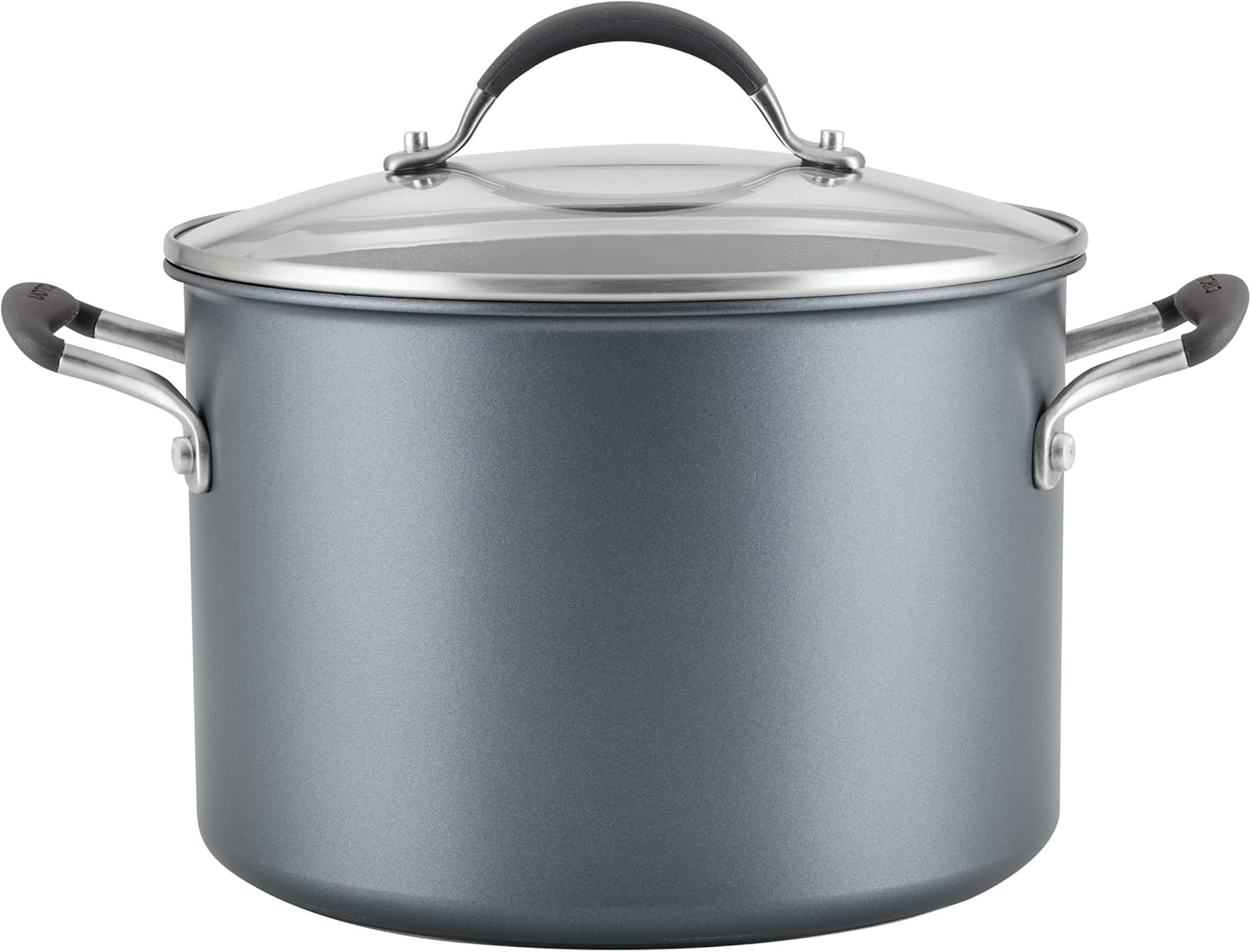
Finding the right induction cookware stock pot changes how home cooks handle large family meals, from boiling pasta to simmering slow-cooked broths. Because induction cooktops rely on magnetic energy to generate heat directly inside the cookware, choosing a compatible pot with a flat, magnetic base ensures efficient cooking performance, even heat distribution, and rapid boiling times.
Modern stock pots come in various capacities, materials, and handle designs, allowing you to match your specific cooking volume and stovetop setup. Whether you need a compact vessel for quick sauces or a massive container for seafood boils, understanding core construction details helps you select a dependable kitchen companion that lasts for years.
As an Amazon Associate, StacyLaughs earns from qualifying purchases.
Buying guide
Material Composition and Heat Transfer
Choosing the right material for an induction stock pot directly influences how fast water boils and how evenly heat spreads across the base. Stainless steel options often feature multi-layer or impact-bonded bases incorporating aluminum or iron cores. These combined metals allow magnetic induction burners to heat the vessel efficiently while preventing scorching during long simmers.
When evaluating construction types, look closely at base thickness and layer counts to ensure long-term durability and warp resistance. Thicker bases absorb thermal energy better, maintaining steady temperatures even when you add cold ingredients. Understanding these metallic foundations helps you select a pot that performs reliably across various recipes and cooking styles.
Capacity Selection and Household Needs
Stock pot capacities range from compact six-quart vessels to massive fifteen-quart options designed for feeding large crowds or meal prepping. Selecting the correct size depends entirely on your typical household batch requirements, recipe types, and kitchen storage availability. A moderate eight-quart pot easily handles family-sized pasta dishes and everyday soups without taking over your stovetop.
Larger twelve or fifteen-quart models provide essential volume for bulk meal prep, canning, and seafood boils. However, oversized pots require significantly more storage space and demand extra physical effort when moving heavy liquids from burner to sink. Matching capacity to your actual cooking habits prevents unnecessary storage headaches and ensures comfortable daily use.
Interior Coatings and Food Release
The interior surface of your stock pot dictates how easily foods release and how straightforward cleanup becomes after meals. Traditional stainless steel interiors offer high durability and allow for browning or deglazing without chemical coating concerns. These raw metal surfaces require proper fat management to prevent sticking during delicate simmering tasks or long broth reductions.
Alternatively, advanced nonstick interior coatings provide effortless food release and eliminate scrubbing friction after cooking stews or sauces. Modern scratch-resistant technologies enhance longevity, making nonstick pots suitable for various everyday tasks. Weighing the benefits of raw metal durability against nonstick convenience helps you choose the surface that matches your cleaning preferences.
Handle Design and Ergonomic Safety
Handles play a critical safety role when you lift and transport a heavy stock pot filled with boiling liquid. Look for securely riveted handles constructed from stainless steel or silicone-wrapped materials that offer a confident, balanced grip. Ergonomic shaping reduces strain on your wrists during pouring and serving routines in busy family kitchens.
Some stainless steel handles feature hollow designs or stay-cool technology to minimize heat transfer from the stovetop surface during long cooking sessions. However, always verify specific oven-safe temperature limits if your recipe requires transitioning the pot from the burner directly into a hot oven. Proper handle security prevents accidents and ensures confident daily kitchen handling.
Lids and Heat Retention Features
A well-fitted lid is essential for trapping heat, moisture, and flavor inside your stock pot while monitoring cooking progress. Many induction-compatible pots include transparent tempered glass lids equipped with integrated steam vents to prevent bubbling over. These see-through covers let you check liquid levels without lifting the lid and losing valuable thermal energy.
Metal lids offer superior durability and higher heat tolerances for oven use, while glass covers prioritize visual monitoring during cooking. Consider your specific cooking habits, such as whether you frequently simmer broths or bake casseroles, when deciding between glass and metal lid options. Proper sealing enhances overall thermal efficiency across various recipes.
Cleanup and Maintenance Requirements
Maintaining your induction stock pot properly ensures long-lasting performance and preserves the appearance of exterior and interior surfaces. While many modern stock pots claim dishwasher compatibility, gentle hand washing with mild dish soap often protects specialized finishes and mirror polishes from fading over extended periods of use. Always follow manufacturer guidelines for care.
Nonstick surfaces require non-abrasive sponges to prevent scratching, whereas stainless steel pots tolerate more rigorous cleaning if stubborn food residue occurs. Taking a few extra minutes to clean and dry your cookware after every use prevents mineral buildup and keeps your induction pots ready for the next meal preparation task.
Frequently asked questions
How do I know if a stock pot works on an induction cooktop?
To confirm induction compatibility, check the bottom of the stock pot for a magnetic symbol or test the base with a household refrigerator magnet. Induction cooktops generate heat through magnetic fields, meaning the pot must contain a magnetic iron or steel layer in its construction to function properly. Most modern stainless steel and specially engineered aluminum pots include bonded magnetic bases specifically designed for this purpose. Always verify manufacturer specifications before purchasing if you plan to use exclusively induction burners.
What size stock pot is best for everyday family cooking?
An eight-quart stock pot is generally considered the most versatile size for everyday family cooking, meal preparation, and batch recipes. This capacity provides enough room to boil pasta, simmer family-sized soups, and cook vegetables without occupying excessive stovetop or storage space. If you frequently cook for large crowds, host holiday gatherings, or process bulk ingredients, stepping up to a twelve or fifteen-quart pot is usually more practical. Match the size to your typical household batch volume.
Can I put my stainless steel stock pot in the dishwasher?
Many stainless steel stock pots are advertised as dishwasher safe, but reviewing manufacturer maintenance guidelines is always recommended before loading them into the machine. Harsh dishwasher detergents and high water temperatures can sometimes dull the exterior mirror polish or cause discoloration on stainless steel finishes over time. Hand washing your pots with mild soap and a soft sponge is a reliable way to preserve their shine and extend their overall service life.
Are nonstick stock pots safe for high-heat cooking?
Nonstick stock pots are generally designed for moderate temperature cooking and typically feature maximum oven and stovetop temperature limits, often around three hundred fifty to four hundred degrees Fahrenheit. Exceeding these recommended thresholds can damage the nonstick coating and compromise food release performance. If your recipe requires searing meats or baking at very high temperatures, traditional stainless steel stock pots without chemical nonstick coatings are usually a safer and more durable choice.
Why does base thickness matter for induction cooking?
Base thickness plays a crucial role in induction cooking because it dictates how efficiently thermal energy is absorbed and distributed across the cooking surface. A thickened or multi-layer base prevents hot spots that can easily scorch delicate sauces, broths, and milks during prolonged simmering sessions. Thicker bases also provide better warp resistance when subjected to rapid temperature changes, ensuring your pot sits flat and maintains optimal contact with the glass induction cooktop surface.