Appliances · Buying Guide
Best Induction Frying Pan Choices for Your Daily Cooking Needs
Finding the right cookware for modern cooktops requires balancing heat distribution, surface materials, and physical dimensions. Induction surfaces demand magnetic compatibility, making material choice critical for proper performance. Whether you need a compact skillet for quick breakfast preparation or a deep multi-quart vessel for family meals, matching your cooking habits to the right construction prevents frustrating hot spots and ensures reliable daily results.
This overview examines five distinct options designed for magnetic cooktops, ranging from hard-anodized aluminum sets to multi-clad stainless steel pans. By reviewing each model's physical footprint, handle design, and cleaning requirements, you can select a tool that fits your storage space and culinary style without guesswork. Examine the specific features below to find the ideal match for your kitchen setup.
As an Amazon Associate, StacyLaughs earns from qualifying purchases.
Buying guide
Evaluating Induction Cooktop Base Compatibility
Induction cooktops rely on magnetic fields to generate heat directly within compatible cookware bases. When shopping for a frying pan, you must verify that the base contains a ferrous metal layer capable of completing the magnetic circuit. Materials like pure aluminum or standard copper lack magnetic properties unless bonded with a compatible steel plate.
Manufacturers often embed steel disks or wrap the aluminum core in stainless steel layers to ensure proper cooktop recognition. Inspecting the underside of the pan ensures it sits flat against the glass surface for optimal energy transfer and efficient daily cooking performance.
Understanding Metal Construction and Heat Distribution
The internal construction of a frying pan dictates how rapidly and evenly it responds to temperature adjustments. Tri-ply clad designs sandwich an aluminum or copper core between layers of stainless steel, combining rapid thermal conductivity with durable outer surfaces. This layered approach prevents local hot spots that can scorch food during delicate searing tasks.
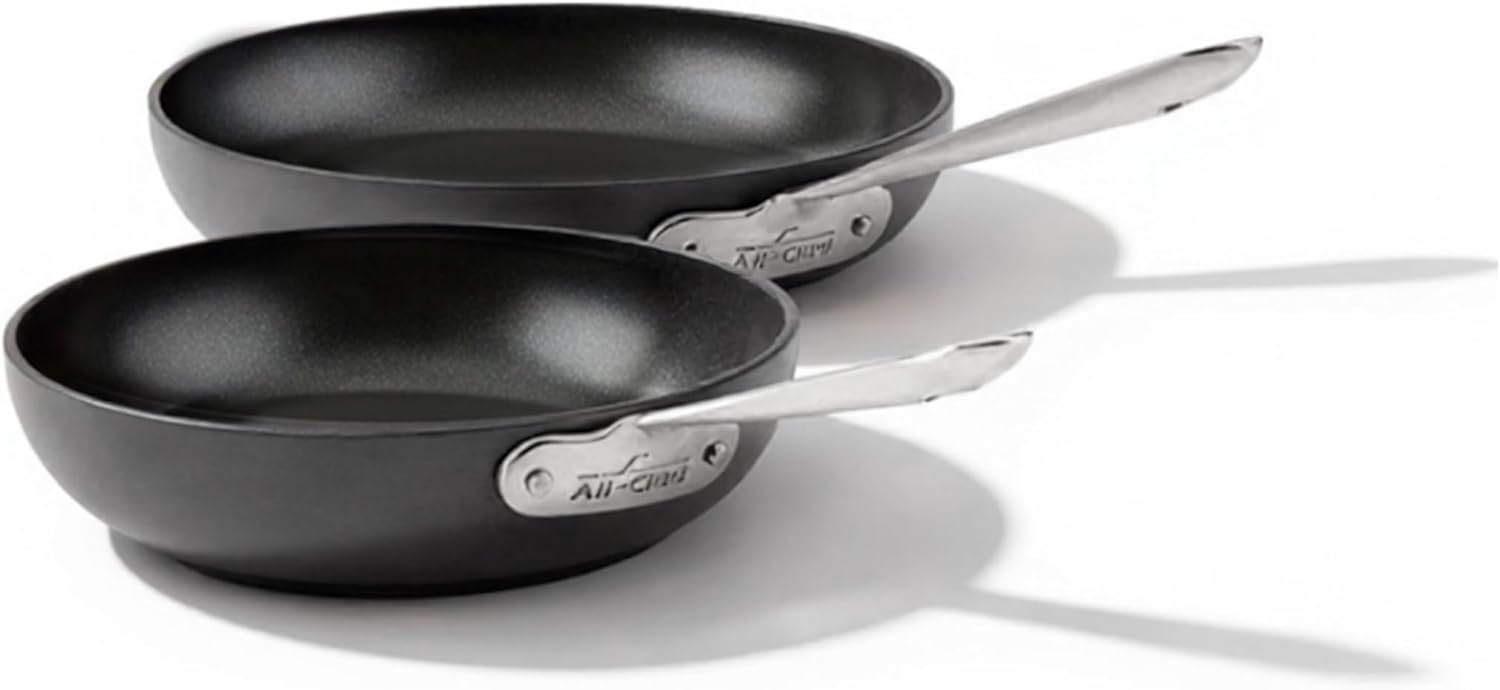
Hard-anodized aluminum offers another durable alternative by hardening the base metal through an electrochemical process. This treatment creates a warp-resistant structure that handles daily thermal shifts well, providing steady heat transfer across flat induction burners without adding excessive weight to the handle.
Comparing Surface Coatings and Food Release
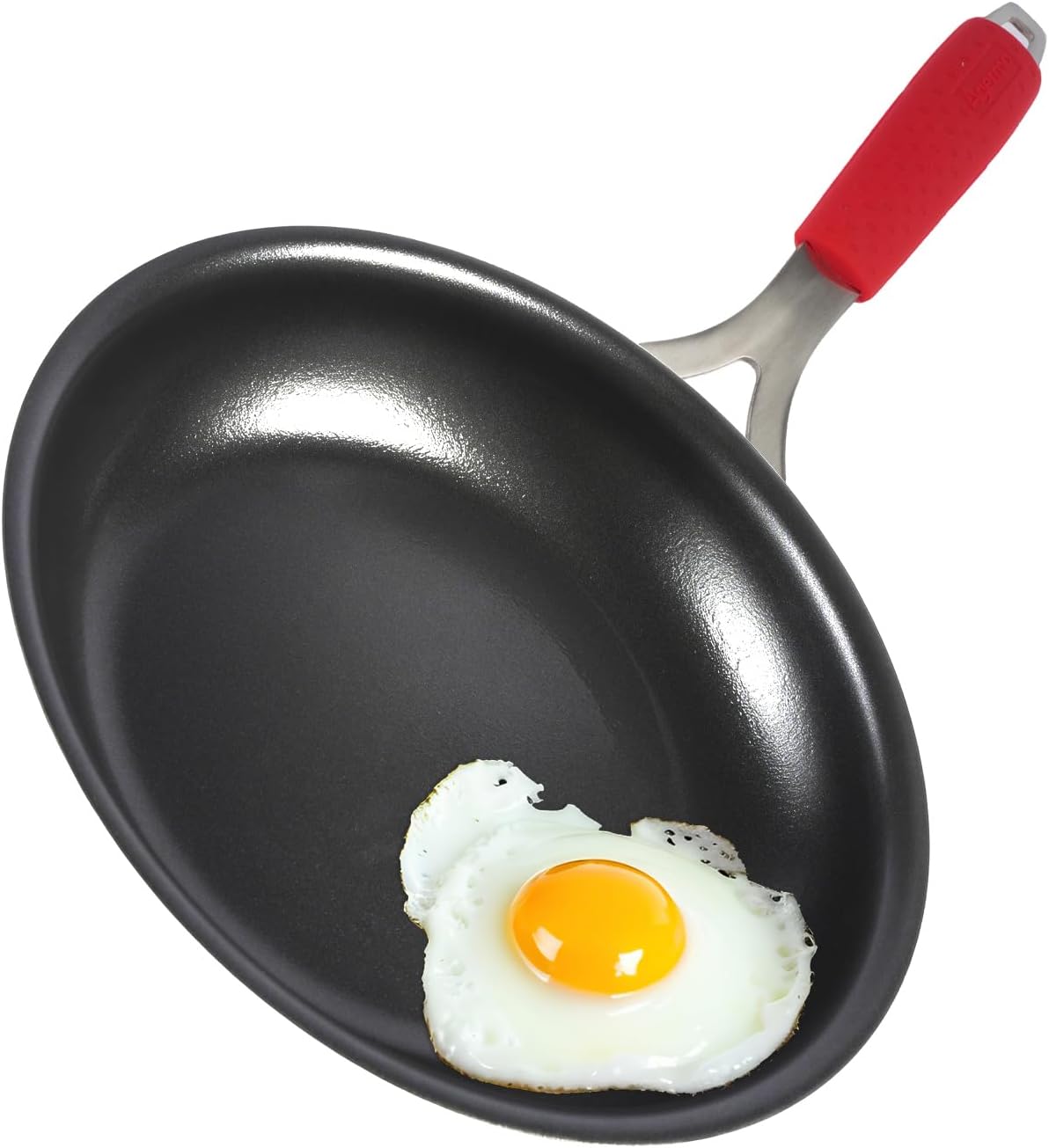
Nonstick coatings simplify cooking and cleanup by preventing sticky foods like eggs or melted cheese from bonding to the metal. Reinforced PTFE or ceramic layers provide smooth surfaces that require minimal oil for daily meal preparation. These coatings allow delicate items to slide freely across the pan during active turning and sautéing routines.
Uncoated stainless steel surfaces offer a different cooking dynamic suited for high-heat browning and pan sauces. While they lack built-in nonstick properties, stainless steel interiors withstand metal utensils and aggressive scouring without degrading, making them ideal for heavy-duty searing tasks and long-term durability.
Assessing Handle Design and Ergonomic Comfort
A secure, comfortable handle is essential when lifting heavy pans loaded with food. Stainless steel handles fastened with sturdy rivets provide a permanent connection that will not loosen over time. Many designs incorporate ergonomic shaping or auxiliary helper handles to distribute weight evenly during kitchen transfers.
Some modern cookware features detachable handles equipped with silicone sleeves. This removable design allows you to transition the pan directly into the oven while saving valuable space in compact kitchen cabinets. Always check whether handles stay cool during stovetop use or require protective mitts.
Managing Dimensions Capacity and Storage Space
Selecting the correct pan diameter and wall depth depends heavily on your household size and typical meal types. Smaller skillets measuring eight to ten inches work well for single portions, breakfast eggs, and quick sautéing tasks. Larger twelve-inch pans accommodate multi-portion family meals but require more burner space.
Deep-walled sauté pans add vertical capacity for boiling, simmering, and braising liquids without splashing over the rim. When storing your cookware, consider whether the pan's physical footprint fits your available cabinet height and whether removable accessories simplify your storage arrangement.
Reviewing Maintenance and Cleaning Guidelines
Proper cleaning habits extend the operational lifespan of your cookware and protect specialized surface coatings. Many modern pans feature dishwasher-safe construction for fast cleanup, though hand washing with mild soap and soft sponges is frequently recommended to preserve nonstick integrity over years of use.
Always consult manufacturer instructions regarding maximum oven temperatures and utensil compatibility. Using nylon, silicone, or wooden tools prevents scratching on treated surfaces, while adhering to specified heat limits ensures your cookware maintains its structural shape and performance across countless meals.
Frequently asked questions
How do I know if my frying pan works on an induction cooktop?
An induction frying pan requires a magnetic base to interact with the cooktop's electromagnetic field. You can test compatibility easily by placing a common household magnet against the bottom of the pan. If the magnet clings firmly to the underside, the cookware contains the ferrous metal necessary to generate heat on an induction burner. Pans made exclusively of plain copper or non-magnetic aluminum will not activate an induction surface.
What is the benefit of a tri-ply clad stainless steel frying pan?
A tri-ply clad frying pan features multiple bonded layers of metal, typically sandwiching a responsive aluminum or copper core between durable stainless steel outer sheets. This layered construction ensures rapid, uniform heat distribution across the entire cooking surface rather than just above the burner ring. It prevents hot spots, locks in consistent temperature control, and provides a sturdy, rust-resistant exterior built for long-term kitchen use.
Can I put my induction frying pan and glass lid into the oven?
Oven safety depends entirely on the specific materials and handle construction of your cookware. Many metal pans tolerate high oven temperatures up to five hundred degrees Fahrenheit, but attached silicone sleeves or plastic components usually lower that limit significantly. Furthermore, matching tempered glass lids often feature lower heat thresholds, such as three hundred fifty degrees Fahrenheit. Always check the manufacturer guidelines before transferring any pan or lid into a heated oven.
Should I choose a nonstick coating or an uncoated stainless steel surface?
Choosing between nonstick and stainless steel depends on your cooking style and the types of food you prepare regularly. Nonstick surfaces excel at cooking delicate items like eggs or fish with minimal oil and simplify cleanup. Uncoated stainless steel surfaces shine during high-heat searing and browning tasks, allowing you to build rich pan sauces while using metal utensils without fear of scratching a coating.
How should I clean and maintain my nonstick induction cookware?
Maintaining nonstick induction cookware involves gentle cleaning practices that protect the delicate surface layer. While many pans claim dishwasher safety, washing by hand with warm soapy water and a soft sponge helps extend the lifespan of the nonstick coating. Avoid using abrasive scouring pads or metal utensils that can scratch the finish. Use silicone, nylon, or wooden tools, and store the pans carefully to prevent surface damage.