Appliances · Buying Guide
Best Induction Skillet Non Stick Choices for Even Daily Cooking

Choosing the right induction skillet non stick cookware involves balancing core materials, surface coatings, and everyday compatibility. Modern kitchens rely on cookware designed with magnetic conductive bases that pair smoothly with induction cooktops while maintaining performance on gas and electric ranges. Selecting an appropriate pan means looking closely at specifications such as body construction, maximum temperature limits, and handle designs to match specific cooking routines.
Whether you need a compact pan for quick morning eggs or a deep vessel capable of simmering family meals, understanding the design attributes helps narrow down options. Manufacturers use various materials like hard-anodized aluminum, cast aluminum, and multi-layer stainless steel to achieve rapid, uniform heating. Reviewing these structural details ensures your chosen cookware fits your kitchen space, cleanup preferences, and recipe requirements without relying on inflated claims or unverified guarantees.
As an Amazon Associate, StacyLaughs earns from qualifying purchases.
Buying guide
Material Construction and Base Design
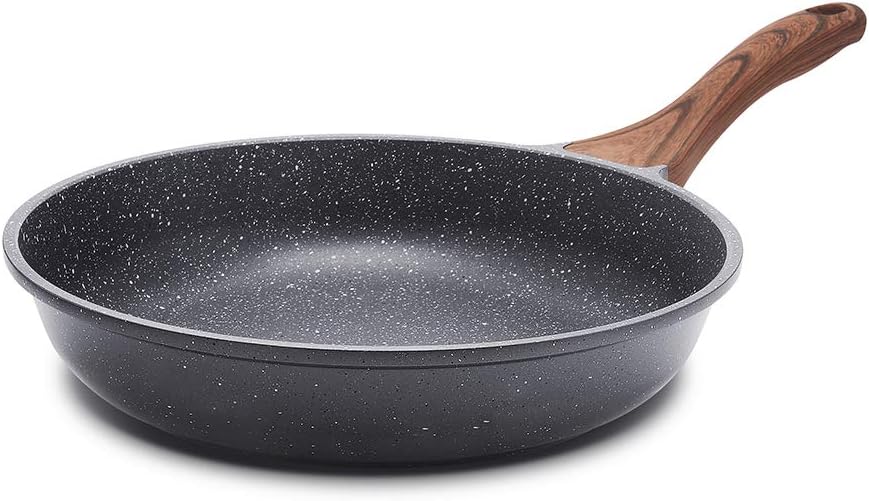
Induction skillet non stock models rely heavily on compatible base materials to interact with magnetic cooktops. Cast aluminum and hard-anodized aluminum pans require embedded stainless steel plates to function properly on induction burners. Checking the base specifications ensures the cookware heats evenly without forming hot spots.
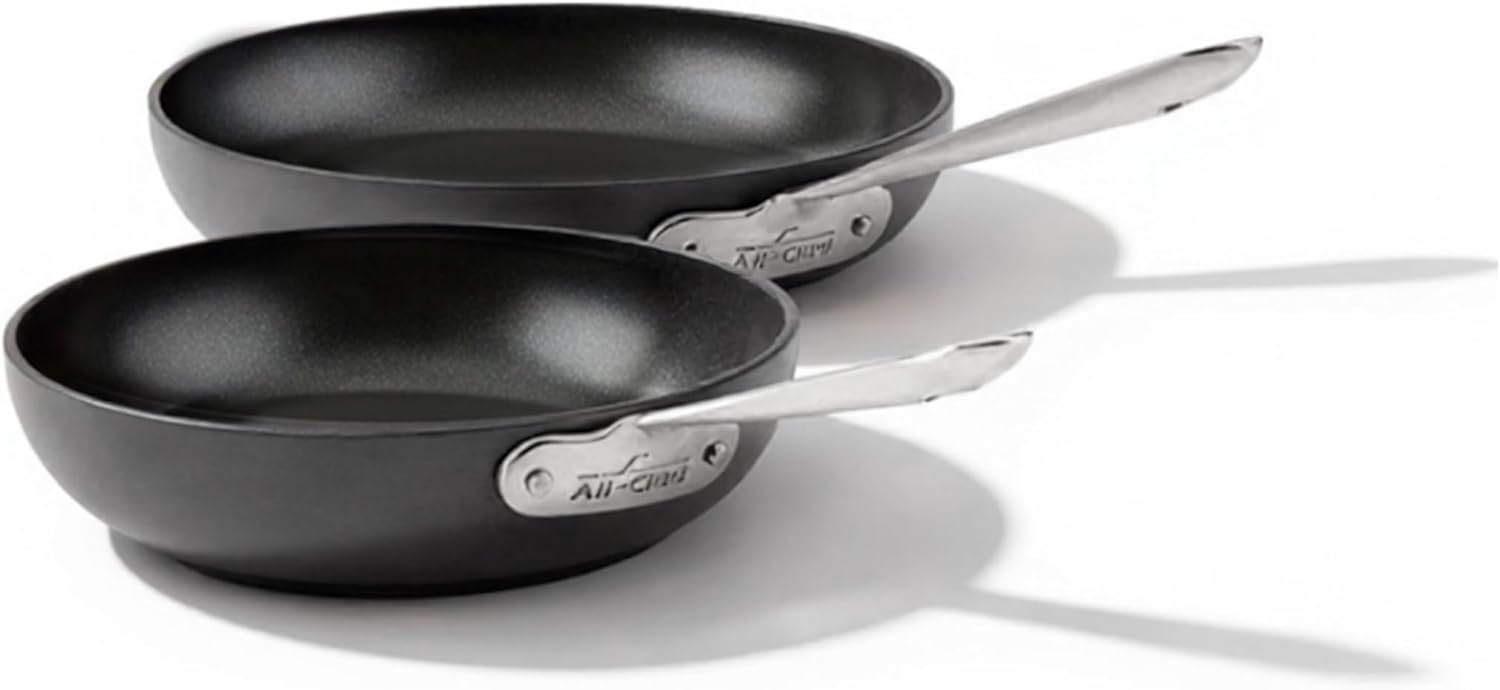
Tri-ply stainless steel alternatives feature an aluminum core layered between steel walls for rapid thermal response. Understanding these core materials helps buyers match the pan structure to their daily cooking style and stovetop type.
Coating Types and Food Release
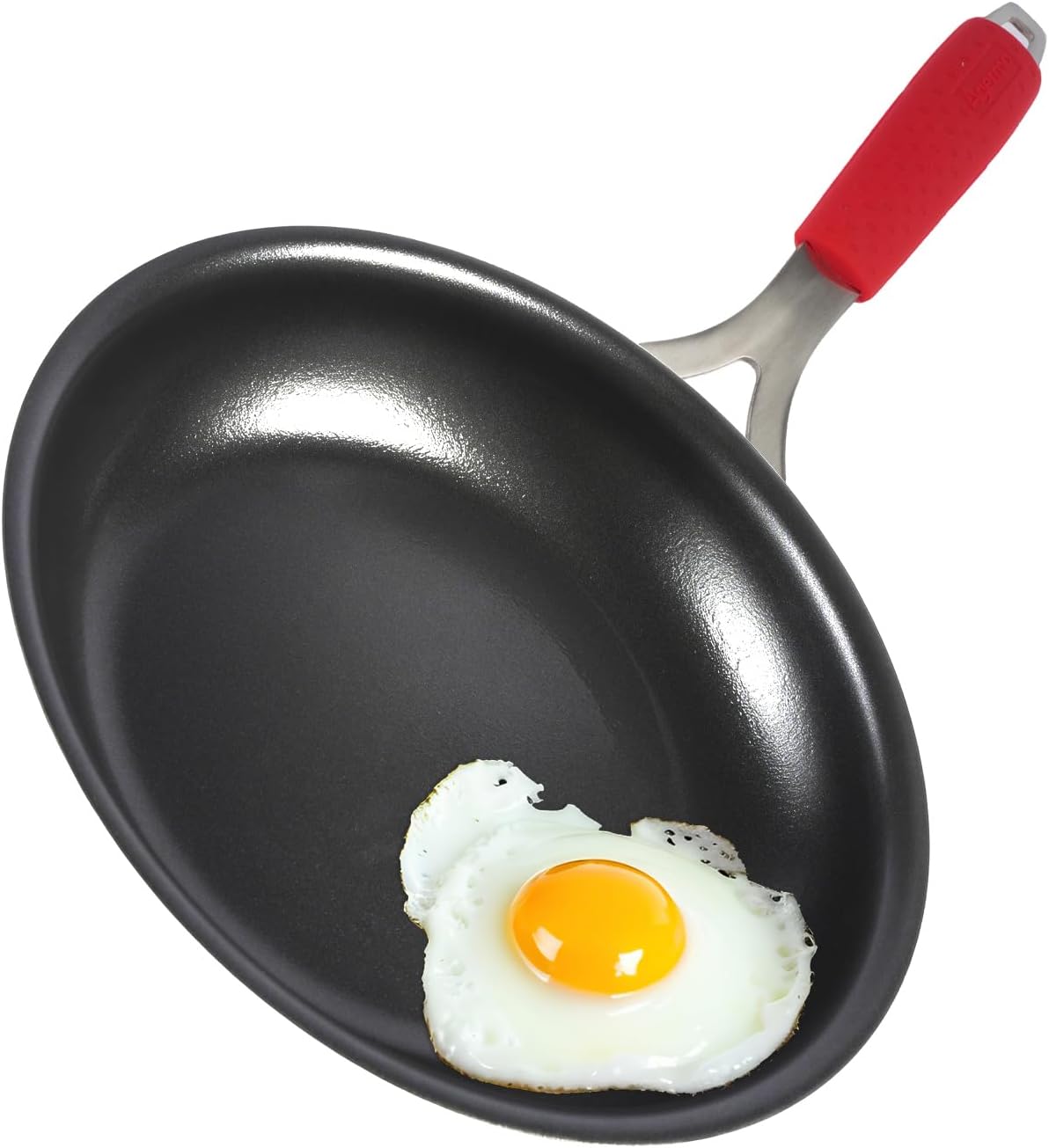
Nonstick coatings determine how easily food slides from the surface during cooking and cleaning. Options range from Switzerland ILAG coatings to reinforced PTFE layers designed for low-oil cooking. Reviewing coating descriptions clarifies whether the pan suits delicate items like eggs.
Some models extend nonstick treatments over interior rivets to prevent food accumulation in tight corners. Buyers should verify coating composition and manufacturer care guidelines to maintain surface performance over time.
Handle Design and Ergonomics
Handle construction impacts comfort, grip stability, and storage convenience in home kitchens. Bakelite handles featuring woodgrain designs stay cool during stovetop use, protecting hands from heat transfer. Stainless steel handles offer robust durability and higher oven safety limits.
Certain specialized models incorporate detachable handles or additional helper grips for lifting heavy, filled pans. Evaluating handle attachments ensures safe maneuverability and convenient storage inside kitchen cabinets.
Temperature Limits and Oven Safety
Thermal thresholds dictate whether a skillet can transition from the stovetop into the oven. Some cast aluminum pans maintain a maximum temperature limit around 302 degrees Fahrenheit, restricting them from broiler tasks. Hard-anodized and tri-ply stainless steel models frequently support higher oven ranges.
Glass lids often feature lower heat thresholds than their paired metal pans. Reviewing specified temperature limits prevents accidental damage to handles, coatings, and lids during baking.
Cleaning Methods and Maintenance
Cleanup convenience varies depending on interior surface designs and dishwasher compatibility. Rivet-free interiors eliminate hidden food traps, allowing quick wiping with a sponge or paper towel. Many models are marked dishwasher safe for routine maintenance.
Manufacturers often recommend hand washing with mild soap and soft sponges to extend the lifespan of nonstick coatings. Following these care instructions helps preserve the cookware surface across repeated uses.
Sizing and Capacity Considerations
Selecting the correct pan size depends on household size and typical meal types. Compact 8-inch to 9.5-inch skillets suit single portions, eggs, and quick side dishes. Larger 10-inch to 12-inch pans provide greater surface area for searing multiple items.
Deep saute pans offering up to 5 quarts of capacity accommodate liquids and braised dishes. Matching capacity dimensions to your cooking habits prevents overcrowding and uneven meal preparation.
Frequently asked questions
Are these nonstick skillets compatible with induction cooktops?
Yes, all the reviewed skillets feature induction compatibility. They incorporate magnetic stainless steel bases or induction-ready metal layers engineered to work on smooth surface induction cooktops as well as gas and electric ranges.
Can these nonstick skillets be placed in the dishwasher?
Many of the listed pans feature dishwasher-safe construction for convenient cleanup. However, some manufacturers recommend hand washing with warm water, soap, and a soft sponge to extend the lifespan of the nonstick coating.
What is the maximum oven-safe temperature for these pans?
Maximum temperature limits vary by construction. Cast aluminum models with bakelite handles generally support temperatures up to 302 degrees Fahrenheit, while hard-anodized and stainless steel options can withstand oven temperatures up to 400 or 500 degrees Fahrenheit.
Do these skillets require special cooking utensils?
To protect nonstick coatings from scratching, many manufacturers suggest using nylon, silicone, or wooden utensils rather than metal spatulas or forks during food preparation.
How should I clean a skillet with a rivet-free interior?
Rivet-free interiors lack protruding hardware inside the cooking vessel, which prevents food buildup. You can clean them easily by wiping with a paper towel, washing with warm soapy water and a sponge, or placing them in the dishwasher if specified.