Appliances · Buying Guide
Best Stainless Steel Cookware Sets for Your Kitchen
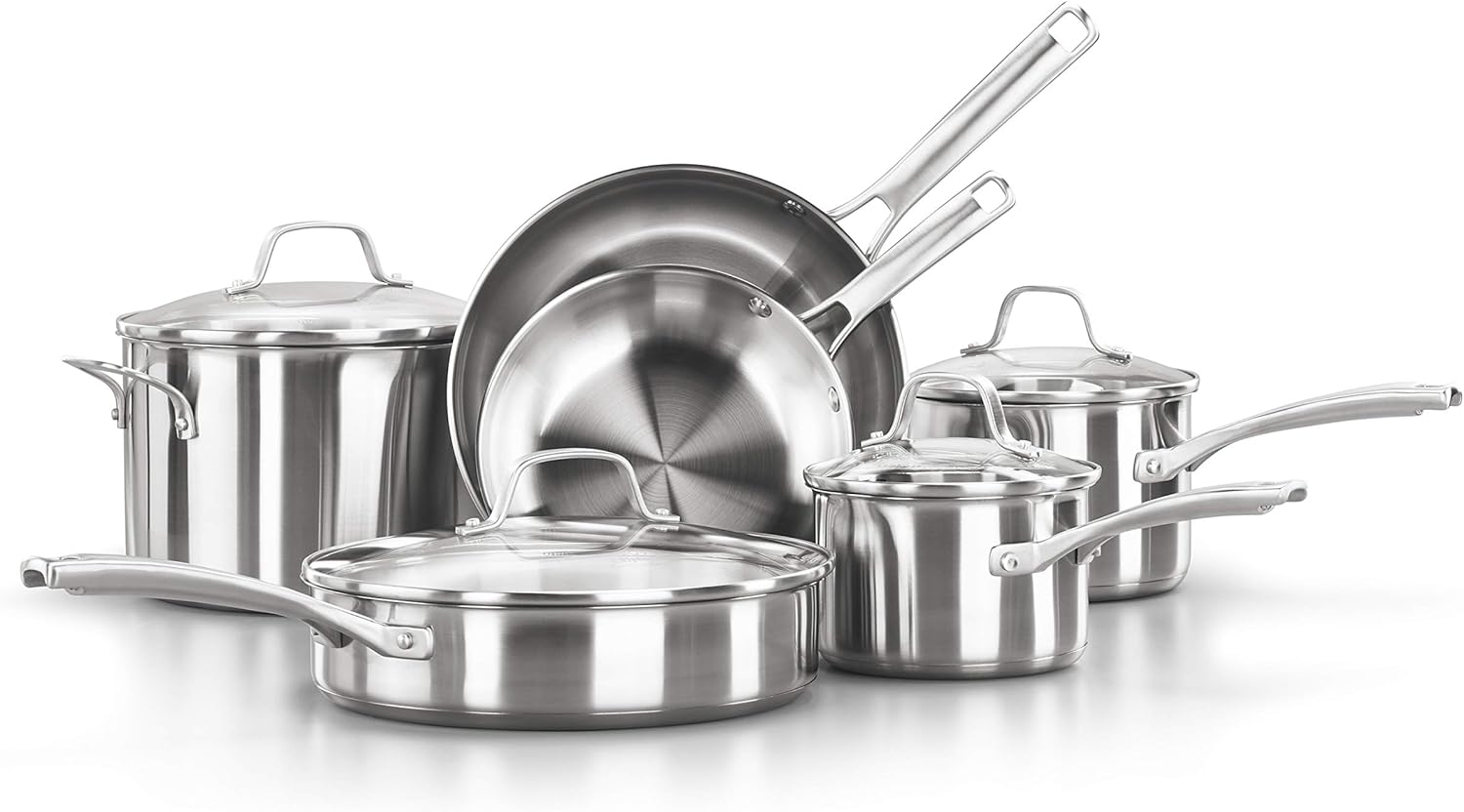
Upgrading your kitchen with reliable cookware makes daily meal preparation much more efficient. Stainless steel sets offer a durable and versatile surface for searing meats, simmering sauces, and boiling pasta without altering food flavors. Selecting the right collection depends on your preferred cooking methods, stovetop type, and storage space availability in your home.
Different configurations provide specific advantages, ranging from multi-clad designs that distribute heat up the sidewalls to encapsulated bases that heat rapidly. Evaluating handle designs, lid materials, and piece counts helps match a cookware set to your household routines. Exploring these options ensures you find a practical configuration for everyday meals and special gatherings.
As an Amazon Associate, StacyLaughs earns from qualifying purchases.
Buying guide
Assessing Construction Types and Heat Distribution
Understanding how cookware is constructed helps you select a set that meets your daily cooking expectations. Encapsulated bases use an aluminum disc bonded to the bottom, offering rapid heat transfer for standard stovetop tasks. Multi-clad options extend metal layers up the sidewalls, eliminating hot spots and providing responsive temperature control for delicate sauces and evenly cooked grains.
Consider your typical recipes when choosing between base-only designs and full multi-ply collections. If you frequently sear meats, brown proteins, or simmer complex dishes, edge-to-edge heat conduction improves overall consistency. Reviewing these structural differences ensures your selected cookware matches your preferred cooking techniques without unexpected performance variations across different heat sources.
Evaluating Piece Counts and Assortment Utility
Cookware sets vary significantly in piece count, ranging from compact frying pan duos to comprehensive twelve-piece collections. Assessing your household size and daily meal routines helps determine the ideal assortment. Larger sets typically include multiple saucepans, skillets, a sauté pan, a stockpot, and specialized inserts like steamers, covering nearly every standard stovetop requirement.
Smaller configurations focus on core items like frying pans or essential saucepans, saving valuable storage space in compact kitchens. Ensure every piece in a prospective set serves a clear purpose in your cooking routine rather than collecting dust. Matching the assortment to your actual dietary habits prevents clutter while maximizing everyday utility across breakfasts and dinners.
Understanding Stovetop and Oven Compatibility
Modern stainless steel cookware generally supports multiple cooktop types, including gas, electric coil, glass-ceramic, and induction surfaces. Magnetic stainless steel exterior layers are required for induction cooktops, so verifying compatibility is essential if you use induction heating. Checking these specifications prevents operational issues before you bring new pots and pans home for daily meal preparation.
Oven safety thresholds also vary by manufacturer and specific component materials. While metal pans often withstand high baking temperatures, attached accessories like glass lids or specialized handles may have lower heat limits. Confirming maximum oven thresholds ensures you can safely transition dishes from stovetop browning to oven finishing safely without damaging lids, handles, or specialized rims.
Examining Handle Design and Ergonomic Comfort
The design and attachment method of pan handles directly influence comfort and safety during cooking tasks. Riveted stainless steel handles provide a secure, permanent attachment that withstands heavy daily use and high heat. However, solid metal handles can absorb stovetop heat over time, making protective oven mitts or holders necessary during long simmering sessions.
Alternative handle materials, such as cast stainless steel or specially coated options, offer different tactile experiences and aesthetic tabletop presentations. Evaluating the balance and weight distribution of loaded pans helps prevent hand fatigue when lifting heavy stockpots filled with water or broth. Prioritizing comfortable grips ensures confident handling throughout your daily meal preparation process.
Managing Maintenance and Cleaning Requirements
Maintaining stainless steel cookware involves straightforward cleaning routines to preserve its appearance and cooking performance over years of use. Most stainless steel sets are dishwasher safe, allowing for convenient cleanup after heavy family meals. Hand washing with warm, sudsy water and non-abrasive sponges helps prevent stubborn food residue buildup and unsightly water spots.
Sealed rims and smooth polished interiors further simplify maintenance by preventing food traps and corrosion around exposed outer edges. Following manufacturer care instructions for cleaning and temperature limits protects your investment and ensures long-lasting durability. Proper upkeep keeps your stainless steel pots and pans looking bright and functioning reliably in your home kitchen every day.
Utilizing Lids and Specialized Cooking Accessories
Cookware sets frequently include matching lids and accessories that expand their practical functionality on the stovetop and in the oven. Tempered glass lids allow you to monitor simmering foods without releasing heat or moisture, while stainless steel covers offer high-heat durability. Some collections feature integrated straining holes and pour spouts for added liquid management convenience.
Specialized additions like steamer inserts transform standard pots into multi-tier cooking vessels for vegetables, seafood, and dumplings. Evaluating which accessories come bundled with a set helps determine its overall versatility for your specific cooking habits. Choosing a collection with useful lids and inserts maximizes your daily cooking options without requiring extra purchases.
Frequently asked questions
Are stainless steel cookware sets compatible with induction cooktops?
Many stainless steel cookware sets feature induction-compatible bases or magnetic exterior layers, allowing them to function smoothly on induction cooktops alongside gas and electric ranges. However, compatibility depends entirely on the specific product construction. Sets with pure aluminum encapsulated bases or full tri-ply bodies often include magnetic stainless steel outer layers designed for induction surfaces. It is always important to review the manufacturer specifications for each individual cookware collection to confirm induction readiness before making a purchasing decision for your kitchen setup.
Can stainless steel pots and pans be placed inside the oven?
Most stainless steel cookware pieces are safe for oven use, but maximum temperature limits vary depending on the materials used in handles and lids. Pans featuring stainless steel handles frequently withstand temperatures up to five hundred degrees Fahrenheit. Conversely, tempered glass lids included in many sets usually feature lower maximum thresholds, often around four hundred fifty degrees Fahrenheit. Frying pans with specific non-metal handles may have even lower limits. Always check the manufacturer guidelines before transferring cookware to ensure safe baking.
How do I clean and maintain polished stainless steel surfaces?
Cleaning stainless steel cookware typically involves washing with warm, sudsy water and a non-abrasive sponge to remove everyday food residues. Many modern stainless steel pots and pans are designated as dishwasher safe for added convenience. For stubborn food stuck after searing or browning, deglazing the pan with liquid while warm or using specialized stainless steel cleaners helps restore the polished finish. Avoid harsh steel wool pads that can scratch the exterior mirror finish or brushed metal surfaces.
What is the difference between encapsulated bases and tri-ply clad cookware?
Encapsulated base cookware features an aluminum disc bonded to the bottom of the pan, providing rapid heat distribution across the base surface while keeping the sidewalls lightweight. In contrast, tri-ply clad cookware bonds an aluminum core between layers of stainless steel throughout the entire body, extending heat distribution up the sidewalls. This full-clad construction eliminates hot spots and offers superior temperature responsiveness, though it generally results in a heavier overall pan weight during daily use.
Do stainless steel handles stay cool during stovetop cooking?
Many stainless steel cookware sets feature long handles designed to stay cool on the stovetop during standard cooking tasks. These ergonomic handles help provide a secure and comfortable grip when moving pans around burners. However, metal handles can absorb heat during prolonged cooking sessions, high-heat searing, or extended oven baking. Manufacturers generally recommend using protective oven mitts or potholders when handling cookware that has been exposed to elevated temperatures for extended periods.