Appliances · Buying Guide
Best Lancaster Cast Iron Skillet Options for Traditional Everyday Cooking
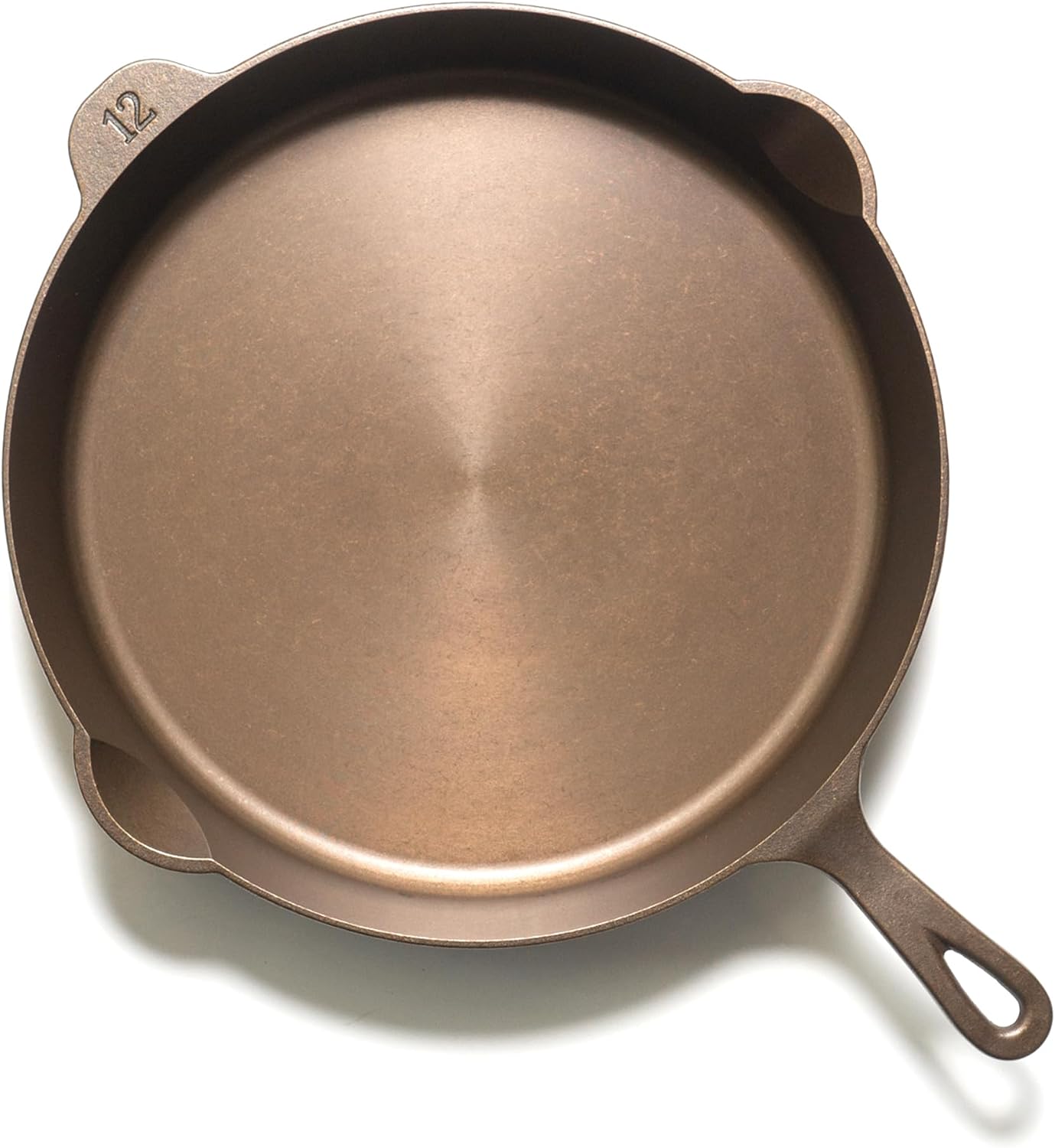
Choosing traditional cookware involves balancing heat retention with daily manageability, and American-made iron pans offer a compelling option for regular meal preparation. Lancaster cast iron skillets combine classic machining methods with noticeably lighter weights compared to standard modern alternatives, making them much more accessible for various cooking styles, kitchen layouts, and everyday stovetop routines across multiple households.
Whether you need a compact pan for single-serving eggs or an extra-large surface for family-sized meals, these pre-seasoned vessels adapt smoothly to diverse kitchen setups. Understanding the distinct sizing options, weight capacities, and handle configurations helps match the right skillet to your specific cooking habits, storage constraints, and preferred heat sources without unnecessary guesswork.
As an Amazon Associate, StacyLaughs earns from qualifying purchases.
Buying guide
Understanding Skillet Sizing and Capacity
Selecting the right Lancaster skillet size depends primarily on your household size and typical meal types. Smaller options like the 7-inch or 8 3/4-inch pans suit single eggs, small desserts, and side dishes, while larger models handle expansive family main courses and bulk cooking tasks without constant crowding on the heating surface.
Matching diameter and capacity ensures your food fits comfortably without spilling over the edges. Consider whether you need deep walls for simmering sauces or wide bases for searing meats, keeping your kitchen storage dimensions and available cabinet space limitations firmly in mind before making a final purchasing decision.
Evaluating Weight and Handle Ergonomics
Cast iron cookware is historically known for being heavy, but Lancaster designs its pans to weigh one to two pounds less than standard modern alternatives. Models range from a featherlight two pounds up to seven and a half pounds for extra-large sizes, significantly reducing wrist strain during everyday cooking routines and kitchen transfers.
Traditional handles paired with helper handles on larger models provide a secure, ergonomic grip. When choosing your pan, consider your upper body strength and how often you will need to lift the loaded skillet between the stovetop, oven, and dining table during meal preparation and serving tasks.
Stovetop and Heat Source Compatibility
One major advantage of these American-made iron skillets is their broad compatibility with almost all household heating devices. Whether you cook over a traditional gas flame, an electric coil, a smooth surface induction cooktop, or an open campfire, these pre-seasoned vessels adapt smoothly to your preferred cooking environment.
Fast temperature response times allow for better heat control than traditional heavy pans while retaining the steady thermal mass of cast iron. Verify your specific stovetop type and outdoor cooking habits to ensure seamless integration into your current culinary routine across different locations.
Seasoning and Surface Maintenance
Every Lancaster skillet arrives pre-seasoned with two coats of grapeseed oil, offering a smooth machined surface right out of the box. This antique-style machining reduces the rough texture found on many modern cast iron pans, providing a more pleasant cooking experience for delicate items like eggs and pancakes.
Maintaining this non-stick seasoning requires adherence to hand wash only guidelines. Avoid automated dishwashers entirely, dry the pan thoroughly after washing, and occasionally apply a light layer of oil to protect the iron surface from rust and preserve its longevity over generations of use.
Storage and Kitchen Space Constraints
Before selecting a cast iron skillet, evaluate your available cabinet space, pot racks, and drawer dimensions. Larger pans like the 13.375-inch model require substantial storage footprints, whereas smaller 7-inch or 8 3/4-inch options easily slip into tight gaps or hang neatly on kitchen hooks without overcrowding.
Weight also influences storage placement because heavy pans should ideally be stored on lower shelves to prevent awkward lifting strains. Balancing your desire for cooking surface area with your kitchen layout ensures your new skillet remains accessible rather than tucked away out of reach.
Assessing Cooking Tasks and Meal Types
Your regular menu determines which skillet model serves you best. If you primarily bake single-serving desserts, fry individual eggs, or prepare small side sauces, mini pans deliver unmatched convenience. Conversely, roasting whole chickens or searing thick steaks demands the expansive surface and volume of larger skillets.
Think about your routine cooking habits and the number of people you typically feed during a standard week. Choosing a skillet aligned with your actual meal preparation style prevents buying a pan that is either too restrictive or unnecessarily bulky for daily use.
Frequently asked questions
Are Lancaster cast iron skillets ready to use right out of the box?
Yes, every Lancaster cast iron skillet comes pre-seasoned with two coats of grapeseed oil directly from the manufacturer in Pennsylvania. This initial seasoning layer means you can begin cooking immediately without undertaking an extensive seasoning process at home. However, like all cast iron cookware, the natural non-stick properties improve steadily over time with regular use and proper maintenance. Always follow basic cleaning and oiling guidelines after your initial meals to build an even stronger cooking surface.
How do Lancaster skillets differ from standard modern cast iron pans?
Lancaster skillets are deliberately cast and machined to be one to two pounds lighter than most other modern-made cast iron cookware on the market. Furthermore, they feature a smooth machined cooking surface that mirrors antique vintage pans made by historic brands like Griswold and Wagner. This smooth finish reduces food sticking compared to rough, pebble-textured contemporary cast iron. The lighter weight also enhances temperature response times while retaining the classic heat retention benefits of traditional iron.
Can I use a Lancaster cast iron skillet on an induction cooktop?
Absolutely. All Lancaster cast iron skillet models are fully compatible with smooth surface induction cooktops, as well as traditional gas burners, electric coils, ovens, outdoor grills, and campfires. Cast iron naturally interacts magnetically with induction elements, making these pans an efficient choice for modern kitchens. When using induction or glass-top stoves, always lift the skillet rather than sliding it across the surface to prevent scratching your cooktop glass or enamel finish over extended periods.
What is the proper way to clean and maintain these skillets?
Lancaster skillets require hand wash only care instructions. You should never place them in an automated dishwasher, as harsh detergents and prolonged moisture exposure will strip the seasoning and cause rust. Wash the warm pan using gentle soap and water if needed, dry it completely on a warm burner to evaporate all moisture, and apply a very thin coat of oil to protect the iron. Regular oiling and careful hand drying maintain the heirloom quality across generations.
Do these skillets come with helper handles for easier lifting?
Helper handles are included on specific larger Lancaster skillet models, such as the No. 10, No. 12, and No. 6 pans, providing an extra grip point to manage the weight safely. Smaller models like the 7-inch No. 4 skillet rely on a traditional single handle due to their lightweight design. Review the specific specifications of each model before purchasing if you prefer having a helper handle to assist with lifting loaded pans between the stovetop and oven.