Appliances · Buying Guide
Best Large Lodge Cast Iron Skillet Options for Every Kitchen Setup
Finding the right large lodge cast iron skillet helps home cooks prepare crowd-sized meals, batch cooking, and daily family recipes with dependable heat retention. These durable iron pans feature natural vegetable oil finishes and heavy-duty builds designed for versatile cooking across stovetops, ovens, grills, and campfires without synthetic chemicals or complicated maintenance routines.
Selecting a suitable model depends entirely on your specific cooking volume, stovetop compatibility, and whether you prefer individual heavy pans or multi-piece kitchen sets. Reviewing these cast iron essentials clarifies how sizing, dual loop handles, teardrop grips, and included lids align with everyday meal preparation routines in various indoor and outdoor environments.
As an Amazon Associate, StacyLaughs earns from qualifying purchases.
Buying guide
Choosing the Right Skillet Size
Selecting the proper skillet size depends heavily on your household size, recipe types, and typical meal preparation volume. Smaller 8-inch pans work exceptionally well for individual eggs, side dishes, or single portions, while 10-inch and 12-inch skillets comfortably handle standard family dinners. Oversized 17-inch options or deep 5-quart models accommodate massive batch cooking, large cuts of meat, and crowd-sized gatherings easily without overcrowding your cooking surface.
Buyers must carefully balance cooking capacity against available kitchen storage space and physical upper body strength. Large iron pans demand dedicated cabinet room and careful lifting techniques during transfer between stovetops and ovens. Matching physical dimensions to your actual daily cooking habits prevents purchasing oversized cookware that becomes cumbersome to manage on standard burners or inside compact home ovens.
Material and Seasoning
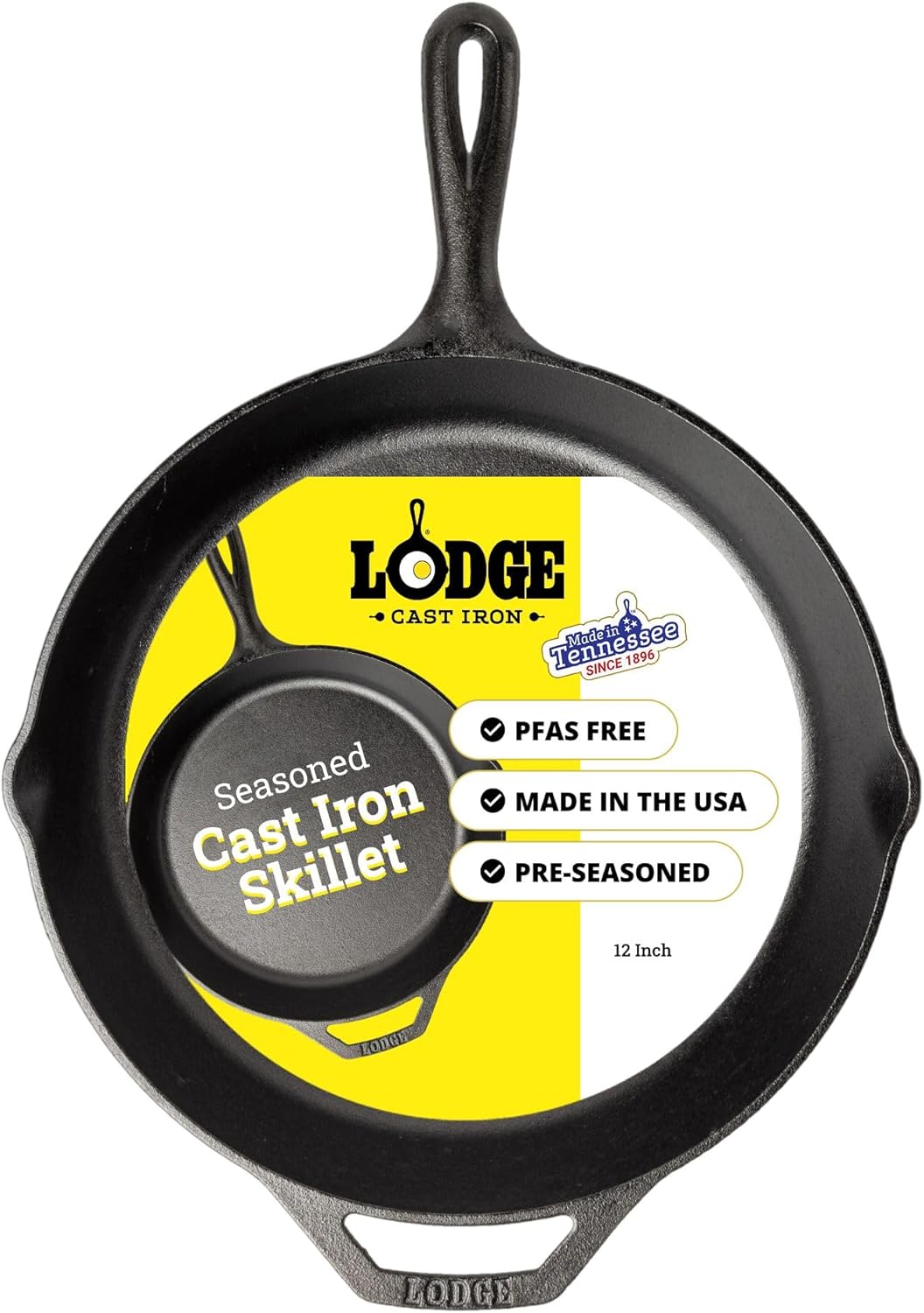
Traditional cast iron construction provides exceptional heat retention and uniform heat distribution across cooking surfaces. These pans come pre-seasoned with natural vegetable oil finishes, eliminating synthetic chemicals and creating a safe cooking environment right out of the box. This seasoned barrier improves naturally over time with regular use, developing reliable non-stick qualities for eggs, meats, and baked goods without artificial coatings.
Maintaining this natural vegetable oil finish requires consistent adherence to manufacturer care instructions, which mandate strict hand washing and thorough drying routines. Avoiding harsh chemical detergents, dishwashers, and moisture buildup protects the seasoned iron surface from rust, ensuring smooth cooking performance over years of daily culinary tasks in home kitchens or campsites.
Stovetop and Heat Source Compatibility
Cast iron skillets offer remarkable versatility across numerous heat sources, performing reliably on traditional gas burners and smooth surface induction cooktops alike. Many heavy-duty pans also transition seamlessly into conventional home ovens, supporting high baking temperatures up to 500 or 550 degrees Fahrenheit for roasting meats, searing thick steaks, and baking traditional cornbread dishes.
Outdoor enthusiasts frequently use these durable iron pans directly over open campfires, portable camp stoves, and backyard grill grates during weekend adventures. Carefully checking your specific home cooktop type before final purchase ensures optimal heat transfer and prevents compatibility issues, as certain oversized models or specialized sets target specific burner configurations, induction surfaces, or gas setups.
Handle Design and Ergonomic Support
Managing heavy iron cookware requires thoughtful handle design to ensure user safety and control during cooking. Standard skillets often feature teardrop handles shaped for comfortable gripping, while larger oversized models incorporate dual assist loops or helper handles. These extra grip points distribute the substantial weight of large iron pans more evenly between both hands.
Evaluating how you lift, tilt, and transport pans helps determine which handle configuration suits your physical strength and cooking style best. Dual loop handles offer superior stability for massive oversized skillets, whereas traditional single teardrop handles allow quick pivoting and control during everyday stovetop sautéing, frying, and flipping tasks.
Evaluating Single Pans Versus Cookware Sets
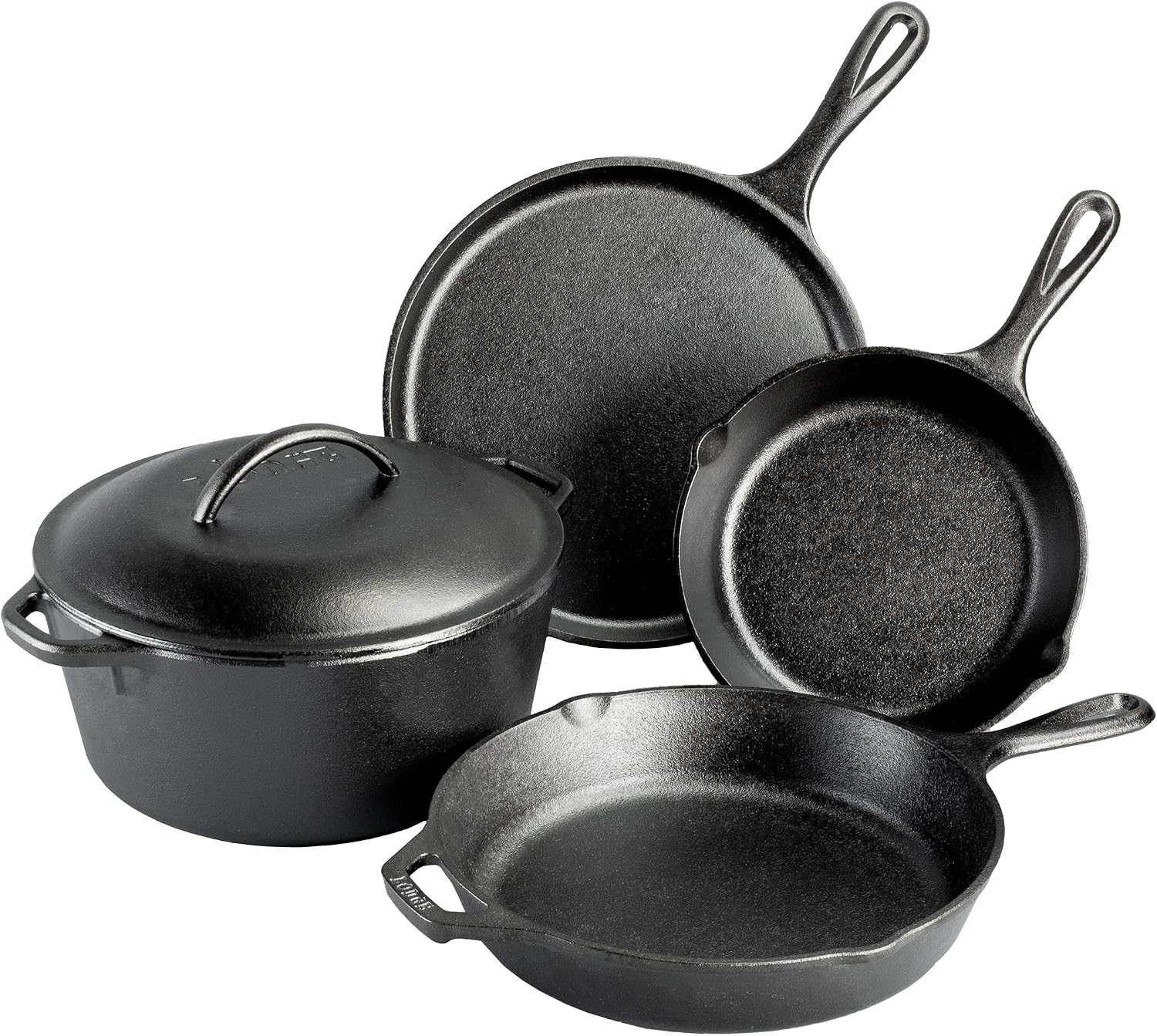
Buyers must decide whether purchasing a single standalone skillet or investing in a comprehensive multi-piece cookware set aligns better with their household cooking needs. Single pans allow highly targeted investments for specific recipes, such as acquiring a deep skillet with an included lid for braising. Conversely, multi-piece collections combine various skillet sizes, round griddles, and Dutch ovens into a single package.
Comprehensive sets provide full coverage for diverse cooking tasks ranging from morning breakfast eggs to elaborate multi-course dinners, but they require much larger storage footprints in home kitchens. Carefully assessing your available cabinet capacity, household budget, and frequency of daily use prevents purchasing redundant items that ultimately remain unused on shelves.
Maintenance and Longevity Practices
Proper maintenance ensures cast iron cookware lasts for many generations, preserving its natural non-stick cooking qualities and heavy-duty structural integrity. Cleaning instructions universally recommend hand washing with warm water and avoiding automatic dishwashers entirely. Thoroughly drying the iron pan immediately after washing prevents unwanted rust formation, while applying a light coat of vegetable oil maintains the seasoned finish.
Following these straightforward daily care guidelines protects your iron investment against environmental damage and keeps the cooking surface performing smoothly over time. Regular seasoning upkeep guarantees that your cast iron skillet remains a dependable, chemical-free kitchen essential for countless family meals, outdoor camping trips, and heavy baking sessions.
Frequently asked questions
Are lodge cast iron skillets ready to use right out of the box?
Yes, all Lodge cast iron skillets arrive pre-seasoned from the manufacturing facility with a natural vegetable oil finish. This initial seasoning provides a ready-to-use surface that supports non-stick cooking for eggs, meats, and vegetables immediately without requiring an initial seasoning process at home. However, the non-stick performance and seasoning quality naturally improve over time with regular cooking use and proper maintenance routines. Hand washing and occasional oil applications help preserve this factory finish for years of dependable culinary performance.
Can large lodge cast iron skillets be used on induction cooktops?
Compatibility varies depending on the specific model and base design. Certain Lodge cast iron items, such as the covered deep skillet and specific multi-piece sets, list smooth surface induction compatibility in their specifications. Other oversized pans, including the 17-inch dual loop handle skillet, focus primarily on traditional gas burners and outdoor campfires. Buyers should always check individual product specifications to confirm whether a specific skillet or set matches their home induction cooktop before making a final purchasing decision.
What is the best way to clean and maintain a cast iron skillet?
Cleaning cast iron requires hand washing with warm water while strictly avoiding automatic dishwashers and harsh chemical detergents. After washing, you must thoroughly dry the pan immediately using a towel or low heat on the stovetop to prevent rust formation. Applying a very light layer of natural vegetable oil while the iron is still warm helps maintain the seasoned finish. Regular adherence to these cleaning and oiling guidelines protects the heavy-duty metal and ensures long-lasting non-stick cooking performance.
What temperature limits apply to these pre-seasoned cast iron pans?
Most Lodge pre-seasoned cast iron skillets and cookware sets are oven safe up to 500 degrees Fahrenheit, while specific sets support higher temperatures up to 550 degrees Fahrenheit. This high temperature tolerance allows home cooks to transition pans seamlessly from stovetops into hot ovens for roasting, searing, and baking. Users should always verify the maximum temperature rating for their specific skillet model before exposing the cookware to extreme broiler settings or high-heat campfires.
Why choose a deep skillet or cookware set instead of a single pan?
Choosing a deep skillet or a multi-piece cookware collection depends on your specific cooking style and meal volume requirements. A 5-quart covered deep skillet provides extra vertical room and an included lid for braising, stewing, and one-pan meals. Meanwhile, multi-piece sets combine multiple skillets, griddles, and Dutch ovens to handle breakfast, lunch, and dinner simultaneously. Selecting these comprehensive options expands your cooking versatility across indoor and outdoor environments, provided you have sufficient cabinet storage space.