Appliances · Buying Guide
Best Large Saute Pan With Lid Choices for Everyday Family Meals

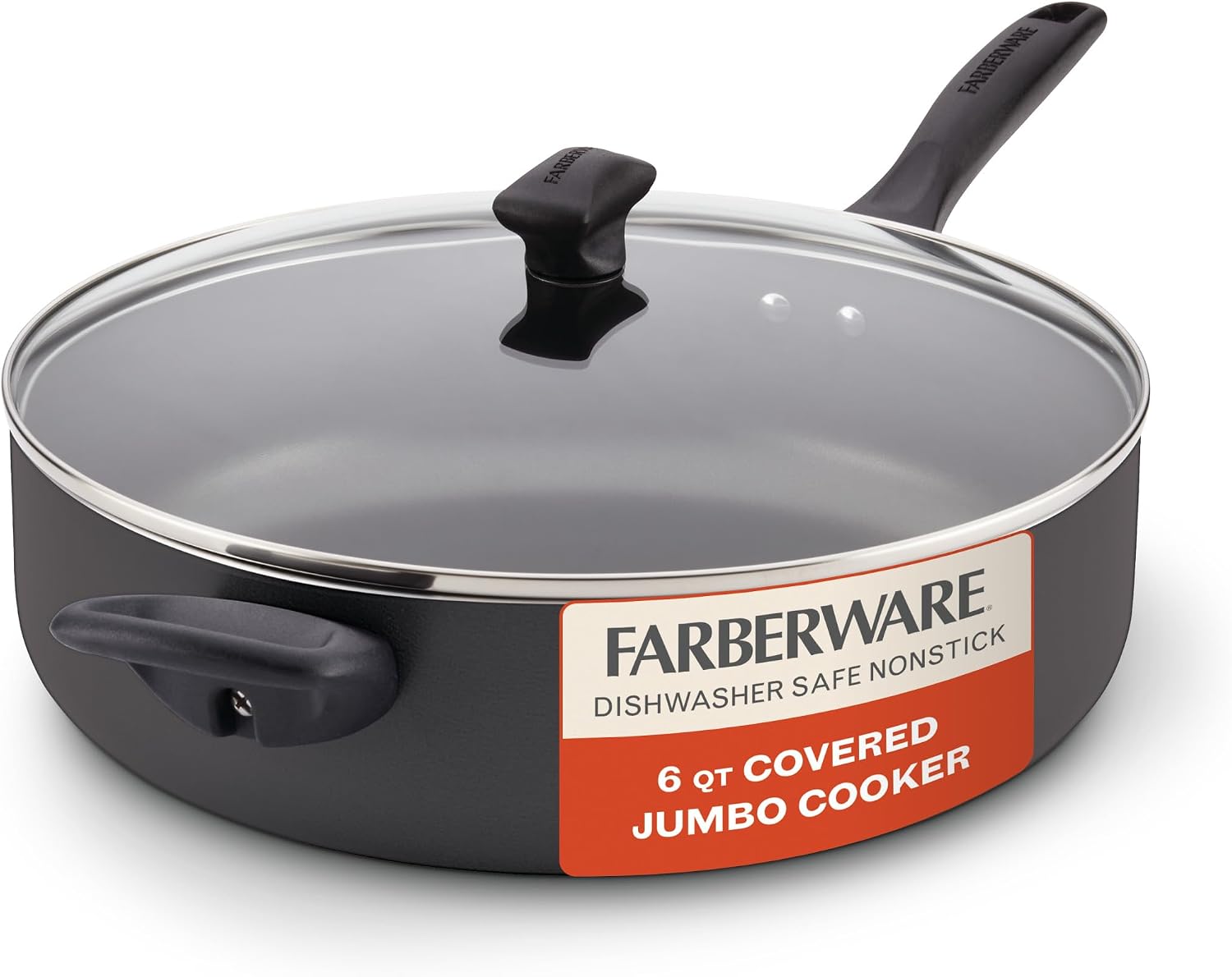
Finding the right large saute pan with lid can completely change how you handle multi-portion dinners, batch cooking, and weekend meal prep. Whether you are simmering thick stews, browning large batches of meat, or deep frying, having adequate depth and surface area prevents overcrowding and messy stovetop splatters. Manufacturers offer diverse material compositions, ranging from traditional stainless steel to heavy-gauge aluminum and advanced ceramic coatings, each impacting how heat transfers from your burner to the food.
When shopping for a deep skillet, consider how the vessel transitions from stovetop cooking to oven baking, as maximum temperature tolerances vary significantly between handles, lids, and pans. Helper handles, lid materials, and interior nonstick coatings further define how comfortably you can maneuver a full load of food. Reviewing these distinct product designs helps you match specific construction traits with your daily cooking routines and stovetop type, ensuring reliable performance across a wide variety of recipes.
As an Amazon Associate, StacyLaughs earns from qualifying purchases.
Buying guide
Understanding Pan Capacity and Diameter
Choosing the correct capacity and diameter ensures your large saute pan handles family-sized meals without overcrowding. Models ranging from five to six quarts offer deep vertical walls that contain liquids during simmering. A wider twelve-inch diameter provides ample bottom surface area for browning multiple cuts of meat simultaneously.
Matching these physical dimensions to your typical household portion sizes prevents spills and uneven cooking results. Consider how much storage space you have available in kitchen cabinets before selecting deeper pans with helper handles.
Evaluating Stovetop Compatibility
Stovetop compatibility dictates whether a pan functions properly on your specific heat source. Induction cooktops require a flat, magnetic steel base to generate heat efficiently, whereas gas and electric ranges accommodate a wider variety of aluminum and stainless steel constructions.
Checking base specifications ensures rapid, even heat distribution without warping or spinning on flat glass surfaces. Selecting the right base material prevents frustrating hot spots and ensures consistent culinary results across different meals.
Comparing Surface Coatings and Materials
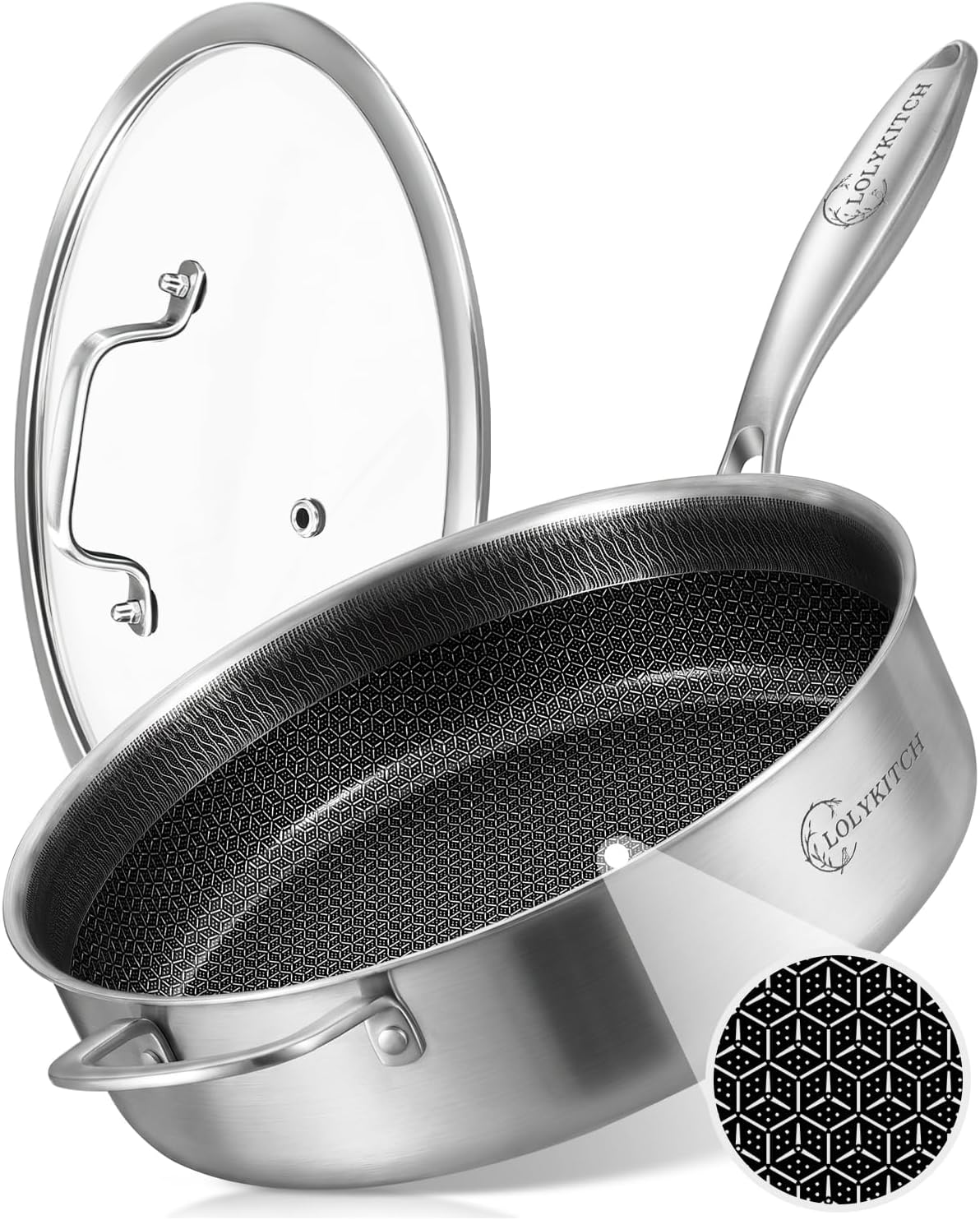
Interior surface materials dictate cooking performance, cleaning effort, and utensil compatibility. Nonstick coatings, titanium layers, and ceramic honeycomb patterns provide effortless food release with minimal added fats, making cleanup straightforward after sticky meals.
Conversely, uncoated stainless steel surfaces offer exceptional durability and high-heat searing power without any coatings to chip or peel over time. Weigh your preference for easy food release against long-term material longevity.
Managing Oven Temperature Tolerances
Transitioning a saute pan from the stovetop to the oven requires careful attention to maximum temperature ratings. While many pan bodies withstand high heat up to 400 or 500 degrees Fahrenheit, accompanying glass lids or plastic handle components often feature lower limits.
Verifying these individual threshold ratings prevents accidental damage to handles or shatter-resistant glass covers during high-heat roasting tasks. Always consult manufacturer guidelines before placing covered cookware into a hot oven.
Assessing Handle Comfort and Support
Comfortable handles and supportive helper grips are essential when lifting a heavy, five-to-six-quart pan filled with food. Riveted stainless steel handles, silicone grips, and secondary helper handles distribute weight evenly and improve stability during transport.
Ergonomic handle designs reduce strain on your wrists and hands when moving hot pans from burners to countertops or ovens. Prioritize secure grip configurations if you frequently cook large, heavy family meals.
Reviewing Lid Design and Visibility
Lid construction influences how effectively moisture and heat are trapped inside your pan during simmering and braising. Tempered glass lids allow you to monitor cooking progress visually without lifting the cover and releasing valuable heat.
Vented glass lids help manage steam buildup, while stainless steel covers offer enhanced durability under higher oven temperatures. Select a lid style that complements your preferred cooking techniques and visibility needs.
Frequently asked questions
What is the primary advantage of choosing a large saute pan with a helper handle?
A helper handle provides a secondary point of contact opposite the main handle, allowing you to lift and transport heavy, full pans with significantly greater stability and control. This design feature reduces wrist strain when moving five or six quarts of food from the stovetop to an oven or serving area safely.
Can all large saute pans be used on induction cooktops?
Not all large saute pans work on induction cooktops because induction surfaces require a magnetic metal base to generate heat. Aluminum pans without a bonded steel induction plate will not function on these modern stoves, making it essential to verify compatibility before purchasing.
Why do oven-safe temperature limits differ between pan bodies and glass lids?
Pan bodies and glass lids feature different maximum temperature ratings because tempered glass and handle materials react differently to extreme heat. While heavy metal pan structures often withstand temperatures up to 400 or 500 degrees Fahrenheit, glass covers and plastic components are typically restricted to lower thresholds like 350 degrees.
How do nonstick interiors compare to uncoated stainless steel surfaces?
Nonstick interiors offer effortless food release and require less oil for cooking, making cleanup fast and straightforward after preparing delicate foods. Uncoated stainless steel surfaces provide superior browning power, withstand metal utensils without scratching concerns, and tolerate much higher cooking temperatures over years of heavy use.
What maintenance steps help preserve nonstick cookware coatings?
Preserving nonstick coatings typically involves using medium-low heat settings, avoiding aerosol cooking sprays that leave residue buildup, and washing the cookware by hand with soft sponges. Following manufacturer care instructions and avoiding abrasive metal scouring pads will extend the functional lifespan of the nonstick interior surface.