Appliances · Buying Guide
Best Le Creuset Braiser Size Options for Your Kitchen
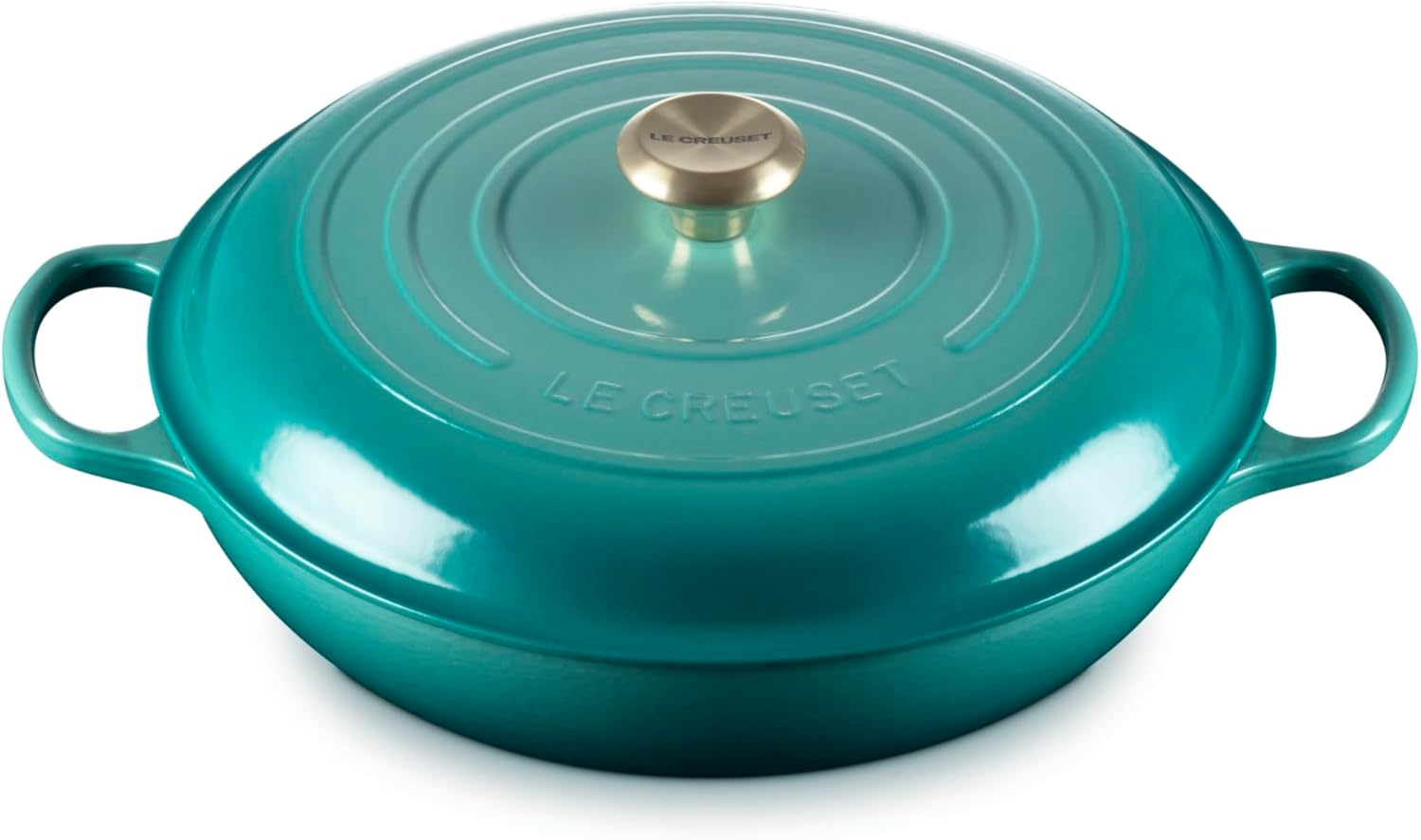
Finding the right cooking vessel requires looking closely at capacity, physical dimensions, and material construction. When choosing a le creuset braiser size, home cooks must balance daily meal portions with storage constraints and stovetop spatial limits. Enameled cast iron provides reliable thermal performance across different heat sources without requiring tedious preseasoning routines before use.
Manufacturers offer multiple volumetric tiers and structural configurations to match varied cooking styles. Whether preparing small side dishes for single households or larger quantities for family gatherings, understanding these physical specifications ensures seamless integration into routine cooking habits. Evaluating these physical dimensions helps match the cookware directly to practical kitchen demands and storage realities.
As an Amazon Associate, StacyLaughs earns from qualifying purchases.
Buying guide
Evaluating Cooking Capacity and Volume
Choosing the correct volumetric capacity is essential for matching cookware to household meal sizes and daily cooking habits. Smaller volumetric options around two to three quarts suit individual portions, sauces, or side dishes, while larger models exceeding four quarts easily accommodate multi-person family meals and extensive batch cooking requirements comfortably every single day without spilling over.
Matching the internal volume to typical recipes prevents overcrowding ingredients during browning, searing, or simmering stages. Buyers should carefully consider maximum daily batch requirements before selecting a specific capacity tier to ensure adequate physical room for cooking liquids and circulating steam during prolonged braising sessions across various home cooktop surfaces and oven environments safely.
Understanding Overall Physical Dimensions and Storage
External measurements dictate how easily cookware fits inside kitchen cabinets, pantries, and dishwashers. Wide profiles with expansive base diameters offer generous surface areas for searing meats, but they demand extra storage clearance on shelves. Evaluating these physical dimensions helps prevent unexpected storage conflicts inside compact cooking spaces where available room remains at a strict premium.
Checking appliance compatibility, including oven interior heights and rack placements, ensures the vessel closes securely during baking. Handles and knobs add extra inches to the total footprint, making it necessary to measure storage spaces accurately before purchasing any heavy cast iron item intended for frequent, hassle-free daily retrieval from kitchen shelves.
Material Composition and Heat Distribution Properties
Enameled cast iron provides exceptional thermal mass, absorbing heat steadily and distributing it evenly across the entire base. This construction eliminates hot spots that can scorch delicate sauces or unevenly brown meats. Unlike traditional raw iron, the smooth enamel coating requires no seasoning routines, allowing users to start cooking immediately right out of the shipping box.
The durable exterior finish resists chipping, dulling, and staining under normal culinary use, preserving the aesthetic appeal over years of regular dinners. Smooth interior enamel finishes also simplify monitoring food progress as it simmers, helping cooks gauge browning levels without constantly scraping the bottom surface during complex multi-step braising preparation routines.
Lid Design and Moisture Retention Mechanics
Tight-fitting covers play a critical role in trapping steam and circulating condensation directly back onto food during long cooking processes. This continuous basting action keeps meats tender and vegetables succulent without requiring constant manual intervention from the cook. Specialized lid configurations work alongside heavy-duty bases to lock in rich flavors and natural juices effectively.
Depending on the specific model variation, lids might feature matching enameled cast iron construction or transparent glass panels for viewing contents directly. Ergonomically shaped knobs provide secure grip points when lifting heavy covers, even when wearing thick oven mitts during high-temperature baking tasks inside standard home kitchen wall ovens or traditional range setups.
Cooktop Compatibility and Temperature Limits
Modern enameled cast iron cookware adapts seamlessly to gas, electric, induction, and ceramic cooktops without requiring special adapters or restrictive heating methods. High temperature resilience allows direct transfer from stovetop searing directly into hot ovens for finishing dishes. Knowing these thermal boundaries ensures safe operation under high heat settings without risking structural damage to the vessel.
Most variants withstand oven temperatures up to five hundred degrees Fahrenheit, though users must verify specific knob ratings if substituting components. This dual-surface capability simplifies complex recipes that require initial stovetop browning followed by prolonged oven braising, eliminating the need to transfer ingredients between multiple pans during meal preparation sessions.
Maintenance, Cleaning, and Everyday Care
Smooth enamel surfaces simplify routine cleanup after heavy meals, reducing stubborn food adhesion and eliminating the laborious scrubbing associated with traditional raw cast iron maintenance. Many enameled models offer dishwasher compatibility, though hand washing with mild soap often helps preserve the exterior gloss finish over extended periods of regular household use.
Avoiding metal utensils on certain finishes prevents surface scratching, while gradual temperature adjustments protect the structural integrity of the heavy iron core against thermal shock. Proper storage practices, such as placing protective pads between stacked items, prevent chipping and maintain the pristine appearance of the colorful exterior enamel glaze across years.
Frequently asked questions
How do I choose the right le creuset braiser size for my cooking habits?
Selecting the correct capacity depends heavily on your household size and typical meal portions. A smaller model around two to three quarts works wonderfully for single servings, side dishes, or intimate dinners. For families or batch cooking enthusiasts, larger variants holding four to five quarts provide ample space to prepare generous portions without overcrowding ingredients. Always evaluate your standard recipe volumes and available storage dimensions before making a final purchasing decision for your kitchen.
Can I use these enameled cast iron braisers on induction cooktops?
Yes, enameled cast iron cookware is fully compatible with induction cooktops, along with gas, electric, and ceramic glass ranges. The iron core naturally interacts with induction elements to generate heat efficiently and evenly across the entire base. This broad cooktop compatibility ensures you can seamlessly transfer your braiser between different heat sources during complex cooking procedures, from initial stovetop searing to final baking steps inside a hot kitchen oven.
Do these braisers require seasoning before the first use?
No seasoning is required before using these enameled cast iron braisers. The smooth interior and exterior enamel coating acts as a protective barrier right out of the box, meaning you can start cooking immediately without performing traditional oil seasoning routines. This factory-applied finish also resists staining and dulling, simplifying both daily meal preparation and routine cleanup after hearty family dinners without demanding special chemical treatments or specialized maintenance oils.
What is the maximum oven temperature these braisers can handle?
Most of these enameled cast iron braisers are rated for oven use up to five hundred degrees Fahrenheit, allowing you to transition effortlessly from stovetop browning to high-heat roasting. However, it is essential to check specific component ratings, such as handle or knob materials, because certain knobs feature lower temperature thresholds. Always verify the manufacturer specifications for your exact model configuration before placing the cookware into a very hot oven environment.
Are these braisers safe to clean in a dishwasher?
Many models in this lineup feature dishwasher-safe construction, offering convenient cleanup options after preparing large meals. Despite this automated cleaning compatibility, washing the cookware by hand using warm water and mild dish soap helps preserve the glossy exterior enamel finish and vibrant color over years of regular use. Avoiding harsh abrasive scrubbers and metal utensils on sensitive interior surfaces will further protect the smooth coating from unnecessary scratching and minor cosmetic wear.