Appliances · Buying Guide
Best lifetime cookware electric skillet models for versatile home cooking
Finding the right electric skillet involves looking closely at surface materials, heating controls, and overall cooking capacity to match your daily meal routines and kitchen layout. Whether you need a compact appliance for tight storage spaces or a large family-sized pan for hosting dinner gatherings, modern electric skillets offer versatile cooking configurations for everyday meals.
These countertop appliances provide adjustable temperature settings and nonstick interiors that simplify meal preparation and straightforward cleanup routines. By examining specific physical features like unit dimensions, wattage levels, and tempered glass lid designs, you can select a dependable cooking tool that fits your available counter space and supports your everyday culinary routine seamlessly.
As an Amazon Associate, StacyLaughs earns from qualifying purchases.
Buying guide
Cooking Surface Materials and Coatings
Selecting the right surface material influences how easily food releases and how simple cleanup will be after a heavy meal. Many modern electric skillets feature ceramic or traditional nonstick coatings designed to prevent food from sticking without requiring excessive oils. Aluminum bases offer quick and even heat distribution, while bonded metal alternatives provide robust durability and oven-safe capabilities.
Buyers should consider whether they prefer lightweight aluminum or heavier bonded metal construction based on their everyday cooking habits. While nonstick surfaces simplify washing by hand, you must also review manufacturer guidelines regarding utensil compatibility to protect the coating over time. Matching the surface material to your typical recipes ensures lasting performance and satisfaction.
Capacity and Cooking Dimensions
Evaluating the physical size and internal volume of an electric skillet helps ensure you can prepare meals for your household without overcrowding the ingredients. Smaller twelve-inch models work exceptionally well for couples or simple side dishes, whereas fourteen to sixteen-inch pans with deep sidewalls easily accommodate large family-sized stir-fries, roasts, and casseroles.
You must also carefully measure your available counter space and kitchen storage areas before purchasing an extra-large countertop appliance. A wider footprint provides much more active cooking room but demands dedicated clearance on countertops and inside standard storage cabinets. Choosing the correct capacity balances your daily meal preparation needs with the physical space you have available.
Temperature Control Mechanisms
Precise heat regulation is essential for achieving consistent cooking results whether you are slow-simmering a hearty stew or searing meats at high temperatures. Most electric skillets utilize a removable temperature control probe or a detachable dial with clearly marked numerical or Fahrenheit settings. These adjustable controls automatically maintain your selected heat level throughout the entire cooking cycle.
Reviewing the temperature range ensures the appliance can handle your specific culinary preferences, ranging from low warming to high-heat frying. Detachable probes also offer practical advantages when it comes to cleaning and storing the unit safely without exposing electrical components to water. Selecting reliable temperature controls gives you confidence across diverse everyday recipes.
Lid Designs and Enclosures
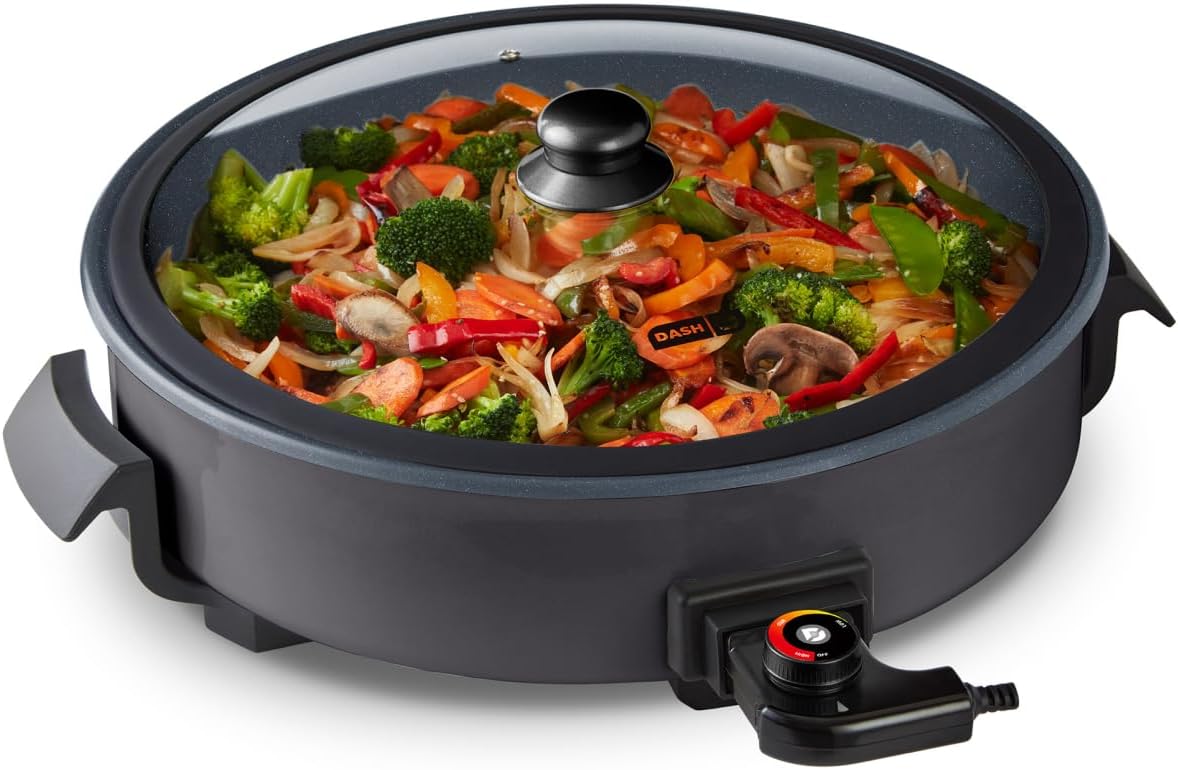
The lid of an electric skillet plays a major role in retaining heat, moisture, and flavor while you cook complex dishes or simple one-pan meals. Tempered glass covers allow you to monitor food progress visually without repeatedly lifting the lid and losing valuable cooking temperature. Some specialized models even feature innovative inverted lid configurations designed for storage.
These space-saving lid designs let you store the skillet securely on its side inside cabinets to free up valuable kitchen storage space. Additionally, look for secure lid clamps or ergonomic stay-cool handles if you plan to transport your cooked dishes to potlucks, tailgates, or family gatherings safely without any accidental messes occurring.
Cleanup and Maintenance Requirements
Keeping your electric skillet clean requires understanding the appliance construction and following manufacturer maintenance guidelines closely. Many modern models feature fully immersible pan bases once the temperature control probe is detached, allowing for straightforward hand washing in the sink. Nonstick interior coatings also help prevent stubborn baked-on food residue from clinging tightly.
Certain advanced pans include removable cooking inserts that are safe to place inside dishwashers or ovens, provided electrical plug areas are kept completely dry. Evaluating how easy an appliance is to disassemble and clean helps you maintain its appearance and functionality over years of regular use without requiring excessive scrubbing effort.
Storage and Portability Features
Managing appliance storage is a crucial consideration, especially if your kitchen has limited cabinet space and crowded pantry shelves. Look for thoughtful features like removable power cords, detachable temperature probes, and compact body shapes that fit easily into tight storage zones. Some models also incorporate convenient built-in cord wraps to keep cables neat.
If you frequently travel with your cookware for family gatherings or holiday dinners, prioritize models equipped with sturdy carrying handles and secure lid locks. These practical elements prevent shifting and liquid movement during transport, ensuring your portable cooking setup remains highly convenient and stress-free wherever you decide to prepare hot meals.
Frequently asked questions
Can I put my electric skillet in the dishwasher?
Whether you can place your electric skillet in a dishwasher depends entirely on the specific manufacturer guidelines for that model. Many standard electric skillets require hand washing because their heating elements or electrical connections cannot be exposed to water. However, certain advanced models feature removable cooking inserts that are fully dishwasher safe once the temperature control probe or plug is completely detached. Always check the user manual instructions before attempting machine washing to avoid permanent damage to the appliance electrical components.
How do I store an electric skillet to save space?
Storing an electric skillet efficiently starts with detaching the removable temperature probe and power cord to keep cables from tangling in your cabinets. Some compact models feature specialized space-saving designs, such as inverted lids that lock in place so you can store the entire unit safely on its side. For standard pans, nesting the glass lid upside down on top of the cooking surface can also reduce the overall vertical height, making it easier to slide the appliance onto standard pantry shelves.
What can I cook in a large electric skillet?
A large electric skillet provides incredible versatility, allowing you to prepare everything from breakfast pancakes and eggs to complex one-pan dinners, stir-fries, and fajitas. The high sidewalls and generous capacity found on many models also make them ideal for roasting meats, simmering chili, baking casseroles, or boiling pasta for a crowd. Because these appliances offer precise temperature controls, you can easily transition from searing meats at high heat to slow-simmering sauces without needing a separate stovetop burner.
Are electric skillet surfaces safe from scratching?
Most electric skillets feature nonstick interior coatings, such as ceramic or reinforced nonstick layers, designed to release food easily with minimal oil usage. While these coatings offer smooth cooking surfaces, they can scratch if you use sharp metal utensils, forks, or abrasive scouring pads during cleaning. To protect the nonstick surface over the lifetime of the cookware, manufacturers typically recommend using wooden, silicone, or heat-resistant plastic utensils along with soft sponges for hand washing.
Why is my electric skillet heating unevenly?
Uneven heating in an electric skillet can sometimes happen if the temperature control probe is not inserted fully and securely into the appliance inlet receptacle. Ensuring the plug makes firm, complete contact allows electrical current to flow properly through the heating elements embedded in the base. Additionally, food buildup on the interior surface or placing the skillet on an unlevel countertop can affect how heat distributes across the cooking area during meal preparation.