Appliances · Buying Guide
Best Lifetime Stainless Steel Cookware Sets for Everyday Kitchens
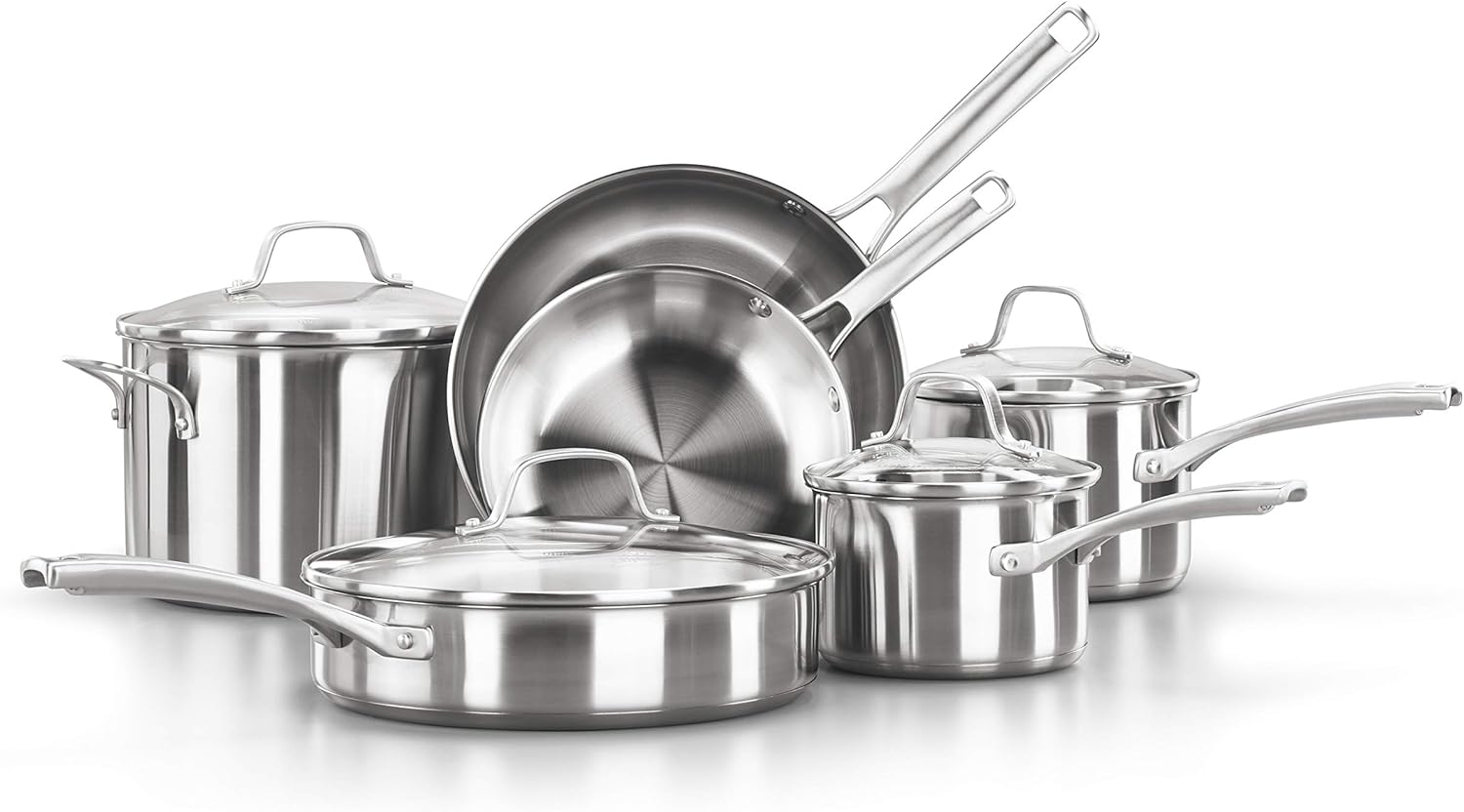
Equipping a home kitchen with durable cookware remains a foundational step for cooks who value long-term reliability and versatile heat distribution. Stainless steel collections provide a classic approach to daily meal preparation, resisting rust, handling high-heat searing, and avoiding delicate nonstick coatings that degrade over time. These setups allow you to transition easily from stovetop simmering to oven roasting without changing pans.
Selecting the ideal multi-piece collection involves balancing total piece counts, construction styles like fully clad layers or encapsulated bases, and broad stovetop compatibility. Evaluating these core factors helps you choose pots and pans matching your specific cooking routines, cabinet storage constraints, and daily cleanup preferences for years of dependable use.
As an Amazon Associate, StacyLaughs earns from qualifying purchases.
Buying guide
Understanding Construction Types
Choosing between fully clad multi-ply construction and impact-bonded bases represents a primary decision when shopping for stainless steel cookware. Fully clad models bond aluminum and stainless layers across the entire base and sidewalls, ensuring that heat travels uniformly up the sides of the pan. This seamless design eliminates hot spots and offers fast temperature responsiveness during delicate reduction and searing tasks.
Alternatively, impact-bonded options attach a thick aluminum disk to the bottom of the vessel. While this method delivers efficient heat distribution along the flat cooking surface, sidewalls rely on general thermal conduction rather than direct metal layering. Evaluating how you sear, sauté, and simmer helps determine which internal structure best fits your daily cooking habits and meal styles.
Evaluating Piece Counts and Storage
Cookware sets range from compact ten-piece bundles to expansive seventeen-piece collections. Large configurations provide dedicated vessels for every conceivable recipe, including specialty stockpots, multiple skillet sizes, Dutch ovens, and steamer inserts. However, these extensive assortments demand considerable cabinet space, deep pantry shelves, or ceiling pot racks to keep everything organized, accessible, and protected from scratching during daily retrieval.
Smaller sets focus on core essentials like standard saucepans, a primary skillet, and a moderate stockpot. These streamlined options suit modest kitchens and smaller households where storage space is strictly limited. Matching the piece count to your actual cooking frequency ensures you avoid cluttering your kitchen with unused specialty pans that require constant rearranging inside cramped cabinets.
Stovetop and Oven Compatibility
Modern stainless steel cookware typically offers broad compatibility across gas, electric, glass-ceramic, and induction cooktops. Magnetic stainless steel exterior bases are required for induction burners, making it essential to verify that your chosen pots and pans feature compatible metal properties if you cook with induction technology. Flat bottom contact also ensures efficient energy transfer on electric glass surfaces.
Beyond the stovetop, temperature limits vary significantly depending on handle attachments and lid materials. All-metal handles and fully clad stainless steel lids often withstand extreme oven heat up to eight hundred degrees, whereas tempered glass lids usually cap out around four hundred fifty degrees. Checking these maximum ratings prevents accidental damage during intensive broiling or high-heat oven baking.
Lid Materials and Design Features
Lids significantly influence your daily cooking experience by trapping moisture, steam, and heat efficiently. Tempered glass covers allow you to monitor simmering foods visually without lifting the lid, preserving internal cooking temperatures and moisture levels. However, glass lids generally feature lower oven-safe temperature thresholds compared to their metal counterparts and require careful handling during storage.
Stainless steel lids offer maximum durability and higher oven temperature limits, making them ideal for dishes transitioning seamlessly from stovetop searing to intense broiler finishes. Some collections also incorporate specialized design features like integrated pour spouts, straining rims, and internal measurement markings, which streamline liquid transfer and reduce the need for extra kitchen tools during meal prep.
Handle Ergonomics and Safety
Handle design affects both comfort and safety when transporting heavy pots filled with simmering liquids. Many stainless steel sets utilize hollow cores, cast structures, or ergonomic curves to slow heat transfer, helping handles stay comfortable during standard stovetop use. Riveted attachment methods also provide long-term structural security, preventing handle wobbling over years of heavy daily lifting and washing.
Despite clever thermal management features, metal handles inevitably absorb heat when cookware is placed inside a hot oven or exposed to high broiler temperatures. Using dry oven mitts or thick potholders becomes necessary whenever you retrieve pans from baking environments. Evaluating grip shape and weight distribution ensures you can safely maneuver heavy stockpots across your kitchen.
Maintenance and Cleaning Guidelines
Stainless steel cookware provides a durable, uncoated cooking surface that resists rust and withstands aggressive cleaning methods. Many sets are officially rated as dishwasher-safe, allowing for convenient cleanup after busy family meals. However, regular hand washing with warm, sudsy water and gentle non-abrasive sponges helps preserve the polished exterior mirror finish and prevents surface dulling over time.
Stubborn food residue, rainbow mineral films, or discoloration can occasionally occur from high-heat cooking or hard water exposure. Using specialized stainless steel cleaners or mild acidic solutions helps restore original shine without scratching the metal cooking surface. Allowing pans to cool completely before washing also prevents thermal shock and potential metal warping over years of use.
Frequently asked questions
Can stainless steel cookware be used on induction cooktops?
Most modern stainless steel cookware sets feature magnetic stainless steel exterior bases or fully clad metal construction, making them fully compatible with induction cooktops. Induction burners require magnetic metal material to complete the electromagnetic circuit and generate heat directly within the pan base. When shopping for a new set, verifying manufacturer compatibility specifications ensures the pots and pans will function properly on your specific glass-ceramic or induction cooktop surface without heating delays or energy transfer issues during meal preparation.
Are stainless steel pans dishwasher-safe?
Many stainless steel cookware collections are officially labeled as dishwasher-safe for convenient everyday cleanup after busy family meals. However, manufacturers frequently recommend routine hand washing to maintain the polished exterior mirror finish and prevent minor surface scratching caused by automatic dishwasher detergents or crowded dish racks. Uncoated stainless steel tolerates dishwasher environments structurally without degrading performance, but hand cleaning with warm soapy water and a soft sponge helps preserve visual appeal and prevents water spots over years of regular use.
How do I prevent food from sticking to stainless steel?
Preventing food from sticking on uncoated stainless steel cookware involves proper preheating techniques before adding cooking oils or fats. Heating the empty pan over medium heat for a brief period before introducing oil creates an effective thermal barrier that helps release proteins naturally. Adding oils to a preheated surface helps create a smooth cooking layer for meats and vegetables. Additionally, ensuring foods are not added directly from the refrigerator while ice-cold reduces sudden temperature drops that cause sticking issues.
What causes rainbow stains on stainless steel and how do I remove them?
Rainbow stains on stainless steel cookware are typically caused by mineral deposits left behind from water or heat-induced oxidation reacting with the metal surface. These harmless discoloration marks do not affect cooking performance, heat distribution, or food safety in any way. They can easily be removed by wiping the interior or exterior surface with a mild acidic solution, such as white vinegar or lemon juice, followed by thorough rinsing and immediate drying with a clean soft towel.
Do stainless steel handles stay cool on the stovetop?
Many stainless steel cookware sets feature hollow cores, ergonomic shapes, or cast designs specifically intended to slow heat transfer, helping handles stay comfortable during standard stovetop cooking tasks. However, actual handle temperature depends on burner size, cooking duration, and overall heat intensity. When cookware is transferred to the oven or exposed to broiler heat, all-metal handles absorb thermal energy and become extremely hot, requiring the safe use of protective oven mitts or thick potholders.