Appliances · Buying Guide
Best Liquid Core Electric Skillet Options for Versatile Home Cooking
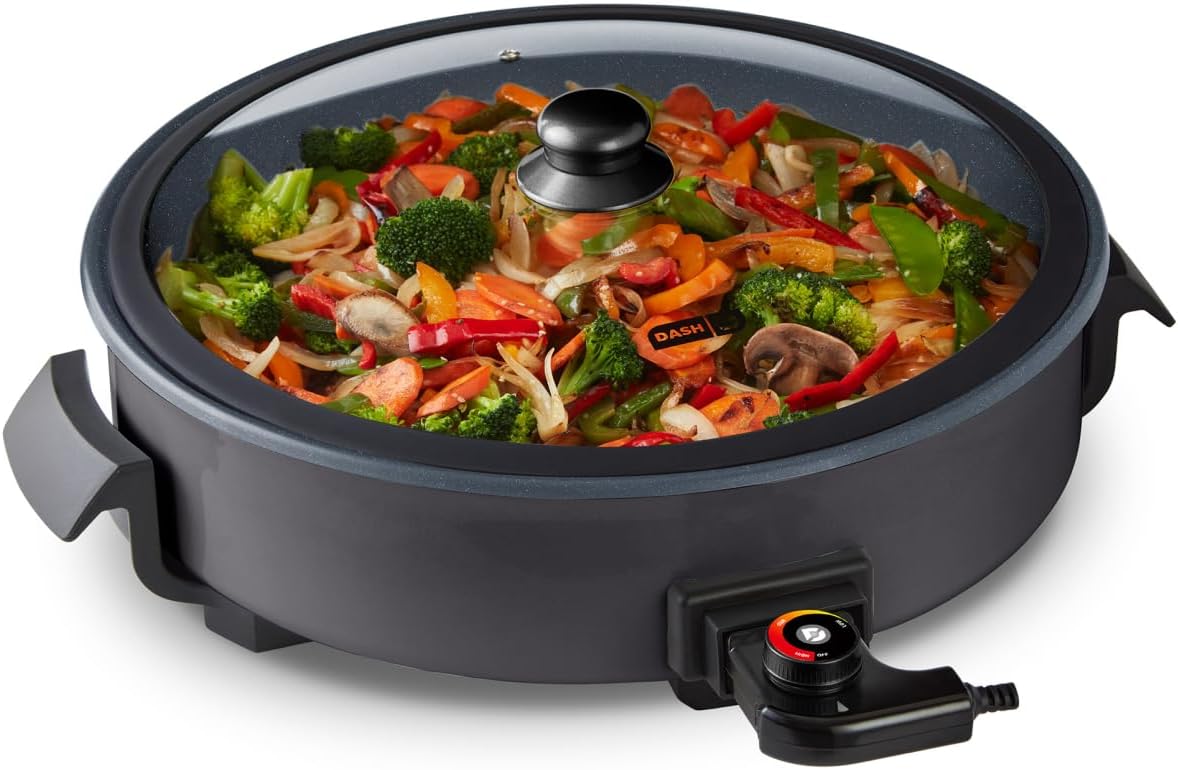
Finding the right cooking appliance involves evaluating embedded heating elements, ceramic or nonstick surface coatings, and overall sizing options for your kitchen countertop. A liquid core electric skillet or standard electric skillet design provides independent temperature regulation for everyday meals, large batch cooking, and convenient countertop food preparation without relying strictly on traditional stovetop burners.
When shopping for these versatile cooking tools, carefully comparing physical dimensions, adjustable temperature ranges, and cleanup methods helps match a specific appliance to your daily kitchen routines. Reviewing these manufacturer specifications ensures you select a model tailored to your household size, storage space availability, and desired cooking habits for years of reliable use.
As an Amazon Associate, StacyLaughs earns from qualifying purchases.
Buying guide
Evaluating Surface Coatings and Durability
Ceramic and non-stick coatings determine how easily food releases from your electric skillet and how simple cleanup will be after cooking. Many modern models feature specialized ceramic finishes designed to resist scratching and peeling during everyday meal preparation. Selecting a durable interior coating protects the appliance base from wear while minimizing the need for excessive cooking oils during frying or sautéing tasks.
When comparing these surfaces, consider your preferred kitchen utensils, as certain coatings require wooden or silicone tools to maintain their non-stick properties over time. Reviewing manufacturer care guidelines ensures your chosen skillet retains its release performance through countless breakfast, lunch, and dinner cooking cycles without unexpected degradation.
Understanding Wattage and Heating Performance
The electrical wattage of an electric skillet directly influences how quickly the cooking surface heats up and maintains stable temperatures. Models offering 1500 watts deliver rapid heat distribution suitable for heavy searing and large batch cooking, whereas 1200-watt variants provide dependable performance for everyday simmering and frying tasks. Matching the wattage to your cooking style prevents frustration during time-sensitive meal preparation.
Additionally, look for embedded heating elements that span the entire pan floor rather than concentrating heat in a single spot. This design feature eliminates cold zones, ensuring your pancakes, stir-fries, and one-pot casseroles cook evenly across the entire cooking surface without constant manual repositioning of ingredients.
Capacity and Physical Dimensions
Choosing the correct skillet capacity depends heavily on your household size and the types of meals you frequently prepare. Compact 12-inch options accommodate smaller families, while extra-large 14-inch to 16-inch pans with capacities exceeding nine quarts easily feed crowds of six to eight people. Measure your countertop and storage spaces before purchasing to ensure the appliance footprint fits your kitchen layout for your household.
Sidewall depth also plays a critical role in daily usability. High sidewalls exceeding three inches prevent oil splatters and allow you to prepare bulky casseroles, soups, and braised dishes without spilling over the edge, making deep pans exceptionally versatile for diverse culinary tasks.
Temperature Control and Precision Probes
Precise temperature regulation transforms an electric skillet into a versatile countertop cooking station capable of handling delicate simmers and high-heat searing alike. Removable temperature control probes let you dial in exact settings ranging from 200°F to 400°F, while indicator lights cycle on and off to confirm your selected heat level is maintained consistently throughout the cooking cycle.
Detachable probes offer a major practical advantage by allowing you to completely immerse the skillet body in water or place compatible components in the dishwasher. Evaluating how easily the thermostat detaches simplifies both your post-meal cleaning routine and compact cabinet storage between active uses.
Storage and Space-Saving Design Features
Electric skillets vary significantly in their physical bulk, making storage considerations essential for kitchens with limited cabinet space. Innovative models incorporate specialized design elements such as inverted lid structures and secure locking transport clamps, allowing you to store the appliance vertically on its side to reclaim valuable shelf room in crowded kitchen cupboards.
Cord wraps, detachable probes, and compact base profiles further enhance everyday convenience by keeping tangled electrical cords neatly managed. Assessing these organizational features helps ensure your countertop appliance remains easy to put away rather than becoming a bulky storage nuisance after mealtime concludes each busy evening.
Lid Construction and Safety Handling
Tempered glass lids are standard features that allow you to monitor cooking progress visually without lifting the cover and losing valuable heat or moisture. Durable glass construction withstands high steam temperatures, while vented holes help release excess pressure during simmering and boiling tasks to prevent accidental boiling over on your busy kitchen countertop.
Ergonomic cool-touch handles and knobs are equally crucial for safe handling, preventing burns when moving the skillet from countertop to serving table. Reviewing these safety-oriented design details guarantees secure operation, letting you lift lids and transport filled pans with confidence during family meals, weekend brunches, and festive gatherings.
Frequently asked questions
Can I clean my electric skillet in the dishwasher?
Many electric skillets feature fully immersible bodies and dishwasher-safe glass lids once the detachable temperature control probe is removed. However, you must always check the specific manufacturer guidelines provided with your exact model before placing any component into a dishwasher. Some ceramic or non-stick coatings perform best with gentle hand washing using warm soapy water and a soft non-abrasive sponge to preserve the protective surface finish and extend the overall lifespan of the appliance.
Why does my electric skillet need a temperature control probe?
The temperature control probe acts as the thermostat for your electric skillet, regulating electrical current to maintain your selected heat setting accurately between 200°F and 400°F. Unlike traditional stovetops where burner temperatures fluctuate, the detachable probe cycles automatically to hold a consistent cooking environment for frying, simmering, or searing. Furthermore, removing this probe is necessary before washing the skillet body in the sink or dishwasher, making it a vital component for both performance and cleaning.
What is the advantage of an extra-deep sidewall design?
Extra-deep sidewalls measuring three inches or more provide substantial practical advantages when cooking large family meals or one-pot recipes. The taller barriers effectively contain oil splatters during high-heat frying, keeping your surrounding countertop cleaner. Additionally, increased depth allows you to prepare bulky casseroles, stews, soups, and braised dishes with generous liquid volumes without worrying about ingredients spilling over the rim when you stir or mix your favorite ingredients together during the cooking process.
How do I prevent food from sticking to the ceramic surface?
Preventing food from sticking on ceramic or non-stick surfaces begins with utilizing appropriate utensils such as wooden, silicone, nylon, or plastic tools that protect the coating from scratches. Avoid using metal utensils or harsh abrasive scouring pads, which can damage the release properties over time. Additionally, applying a small amount of cooking oil or butter before heating the pan helps protect the surface, and following the manufacturer recommendation to let the skillet preheat properly ensures optimal food release.
Are electric skillets suitable for transporting food to gatherings?
Certain electric skillet models are specifically engineered for portability, featuring sturdy locking transport clamps and secure lid designs that prevent spills while you travel to potlucks, tailgates, or family holiday dinners. When using portable skillets on the go, ensure the appliance has cooled down sufficiently before packing, and always detach the temperature probe. These specialized transport features make it simple to bring warm signature dishes directly to a gathering and serve them conveniently from a single countertop appliance.