Appliances · Buying Guide
Best Lodge Carbon Steel Frying Pan for Your Kitchen Setup
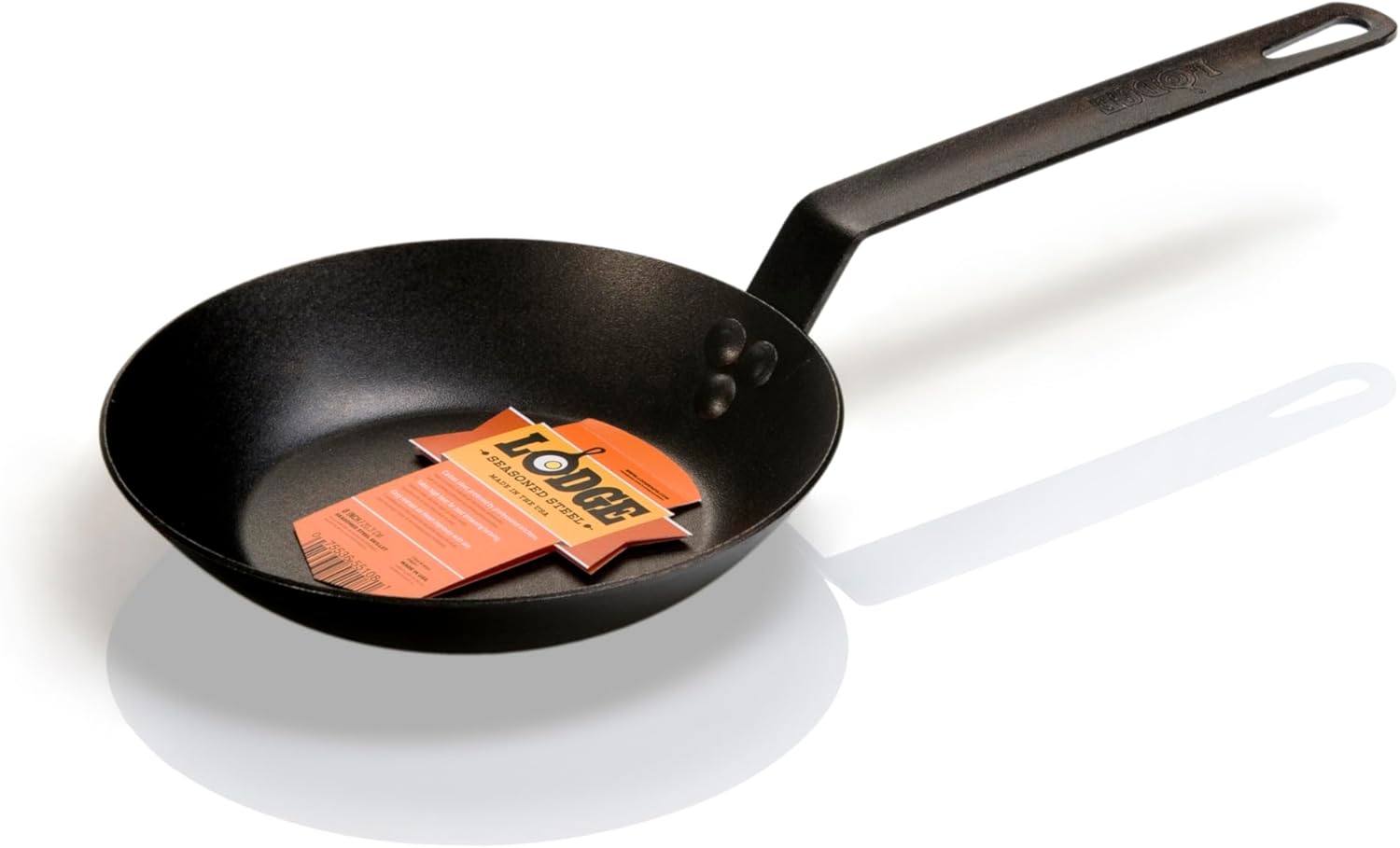
Selecting the right lodge carbon steel frying pan depends entirely on matching the physical dimensions, capacity, and overall weight of the cookware to your specific stovetop requirements and favorite daily recipes. These versatile kitchen tools offer rapid temperature responses that support precision searing, delicate sautéing, and everyday meal preparation across multiple cooking environments without hassle.
Built using durable carbon steel materials paired with pre-seasoned natural vegetable oil finishes, these skillets and griddles provide reliable, chemical-free performance across diverse heat sources like induction, gas, electric coils, and campfires. Understanding individual product capacities, item weights, and long handle designs helps ensure seamless integration into your daily cooking routines without unnecessary complications or storage surprises.
As an Amazon Associate, StacyLaughs earns from qualifying purchases.
Buying guide
Choosing the Right Diameter
Selecting the correct diameter for your carbon steel pan directly dictates how much food you can comfortably prepare in a single batch. Smaller eight-inch models easily accommodate single portions, quick side dishes, and extremely tight kitchen storage spaces. Conversely, ten and twelve-inch variants serve as versatile workhorses that handle everyday family meals, multiple chicken breasts, and large vegetable medleys without crowding the cooking surface.
Massive fifteen-inch skillets and large rectangular griddles offer expansive surface areas designed specifically for feeding crowds, outdoor grilling, or preparing breakfast feasts all at once. Matching the pan diameter to your typical household portion sizes ensures you never struggle with overcrowded ingredients on small burners or deal with oversized, unmanageable cookware that exceeds your kitchen storage capacity.
Evaluating Weight and Handling
Evaluating the overall weight and handle design of a carbon steel pan is essential for maintaining comfort during active cooking sessions. Lighter models ranging from two to three pounds allow for effortless lifting, shaking, and maneuvering when tossing ingredients or transferring food from burner to plate. Longer handles provide a secure grip and keep your hands safely distanced from high-heat cooking zones.
Heavier models exceeding six pounds offer robust stability for large-scale cooking tasks but demand significantly more physical effort to lift and wash. Consider your personal upper body strength and how often you need to transport the pan when deciding between lightweight daily skillets and heavy-duty high-capacity options.
Stovetop and Heat Source Compatibility
Stovetop and heat source compatibility determines where you can safely deploy your carbon steel cookware. Most quality carbon steel pans work seamlessly across traditional gas burners, electric coil stovetops, and smooth surface induction cooktops. Fast-heating construction responds rapidly to temperature adjustments, giving you precise control whether you are simmering sauces or executing high-heat searing techniques.
Beyond standard indoor kitchen appliances, many carbon steel skillets and griddles withstand high oven temperatures up to 500 degrees Fahrenheit, and transition easily to outdoor grills or open campfires. Verifying your specific cooking setup against the pan design ensures optimal heat transfer and prevents compatibility issues during meal preparation.
Understanding Seasoning and Surface Care
Understanding seasoning and surface care is vital for maintaining the natural non-stick qualities of carbon steel cookware. Pre-seasoned pans arrive with vegetable oil baked into the metal, offering an initial protective layer that prevents rusting and helps food release smoothly. Regular use builds up this seasoning over time, enhancing the cooking performance naturally without synthetic chemicals or artificial non-stick coatings.
Proper maintenance requires hand washing your pan with warm water and mild soap, followed by thorough drying to prevent moisture damage. Avoiding automated dishwashers protects the delicate seasoning layer, ensuring your carbon steel skillet remains reliable, smooth, and ready for countless future recipes across years of daily kitchen use.
Capacity and Volume Requirements
Assessing your capacity and volume requirements prevents the frustration of buying a pan that is either too small or overly bulky for your recipes. Shallow skillets with limited depth excel at searing meats and frying eggs, while deep vessels accommodate saucy dishes and large volume mixtures. Evaluating typical ingredient quantities helps you select a capacity that matches your daily cooking style.
Rectangular griddles provide wide, flat horizontal volumes ideal for spreading out breakfast foods, whereas deep circular pans contain liquids efficiently. Matching internal volume specifications to your household size guarantees that every meal preparation flows smoothly without unexpected overflow or wasted cooking space.
Storage Space and Kitchen Layout
Analyzing your available storage space and kitchen layout prevents purchasing oversized cookware that creates permanent counter clutter and storage headaches. Large fifteen-inch skillets and expansive rectangular griddles require dedicated cabinet space, wide shelving, or specialized hanging racks due to their wide physical footprints. Measuring your storage areas beforehand ensures your chosen pan fits comfortably out of sight when not in active use.
Compact kitchens benefit greatly from smaller eight or ten-inch carbon steel skillets that tuck easily into tight shelving or stack neatly with other pots. Balancing your desire for massive cooking surfaces against your actual kitchen storage limitations leads to a much more satisfying, functional, and clutter-free purchasing decision for your home.
Frequently asked questions
How do I clean and maintain a carbon steel frying pan?
Cleaning a carbon steel frying pan requires simple hand washing with warm water, mild soap, and a nylon brush to protect the natural vegetable oil seasoning. You should completely dry the pan immediately after washing to prevent unwanted rust formation on the steel surface. Avoid placing your carbon steel cookware inside an automated household dishwasher, as harsh detergents and prolonged moisture exposure will strip away the protective seasoning layer. Applying a very thin coat of oil after drying helps maintain the smooth finish and keeps your pan in top condition.
Can carbon steel skillets be used on induction cooktops?
Yes, carbon steel skillets work exceptionally well on smooth surface induction cooktops because the iron and steel material interacts directly with magnetic induction elements. The rapid heating performance of carbon steel allows these pans to heat up quickly and respond instantly to temperature adjustments on induction burners. When using induction cooktops, ensure the pan base diameter matches your burner size to achieve even heat distribution across the cooking surface. This compatibility makes carbon steel a versatile choice for modern kitchen setups alongside traditional gas and electric ranges.
What is the difference between carbon steel and cast iron pans?
While both materials offer excellent durability and natural seasoning properties, carbon steel pans are generally lighter and feature smoother interior surfaces straight out of the box. Carbon steel heats up and cools down much faster than cast iron, making it ideal for delicate foods like fish and fast sautéing tasks. Cast iron typically features a heavier build with a textured surface that retains heat for longer periods. Both cookware types require similar hand-washing maintenance and offer non-toxic, chemical-free cooking surfaces without synthetic non-stick coatings.
Are carbon steel frying pans safe for oven use?
Most quality carbon steel frying pans feature high temperature tolerances, often rated safely for oven use up to 500 degrees Fahrenheit. This oven-safe capability allows you to start searing a steak or chicken breast on the stovetop and transfer the entire pan directly into the oven to finish cooking. Always check your specific pan specifications and handle construction before exposing it to high oven heat. Using oven mitts is essential when removing the pan from the oven due to the heat-conducting properties of the metal handle.
Why does carbon steel cookware need to be seasoned?
Carbon steel cookware needs to be seasoned because the process bakes oil directly into the metal pores, creating a natural, easy-release non-stick finish without synthetic chemicals. This seasoning layer also protects the bare steel from oxidation and rusting when exposed to moisture and food acids. Pre-seasoned pans arrive ready for cooking, but the seasoning continuously improves with regular use and proper maintenance. Cooking high-fat foods or applying light coats of oil after cleaning helps maintain and strengthen this protective finish over years of kitchen preparation.