Appliances · Buying Guide
Best Lodge Carbon Steel Skillet Choices for Every Kitchen Setup
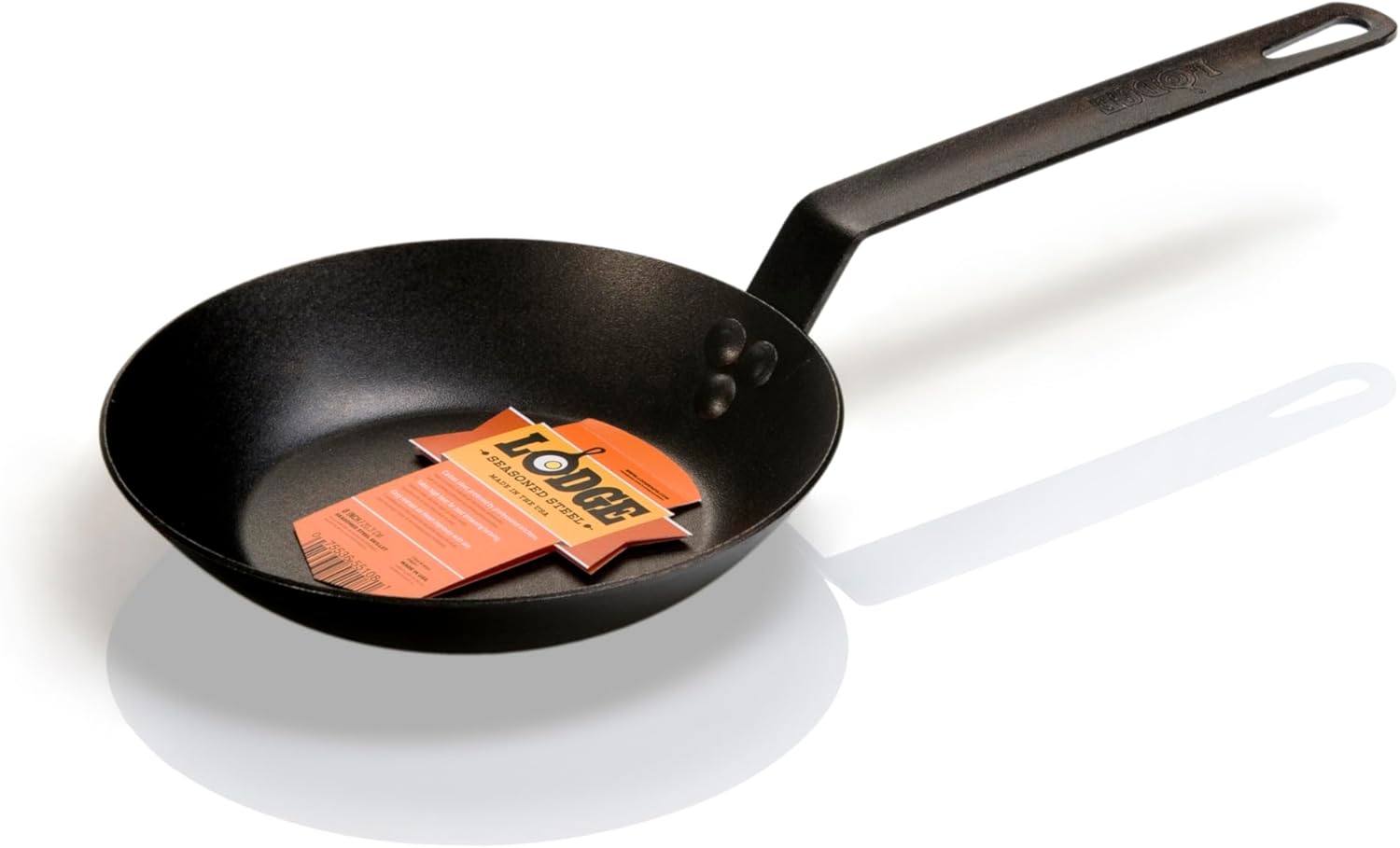
Choosing the right cooking surface involves understanding how different metals manage heat during everyday meal preparation. Carbon steel options combine rapid thermal response with sturdy construction, making them a practical choice for home cooks seeking reliable performance across various stovetops, ovens, and outdoor campfires without relying on synthetic non-stick coatings or chemical treatments.
Evaluating these versatile pans requires looking at individual dimensions, weight specifications, and handle designs to match your specific daily cooking habits. Whether you need a compact pan for quick single servings or a generous griddle surface for family-style breakfasts, exploring these manufactured choices helps ensure a sensible and lasting addition to your kitchen gear.
As an Amazon Associate, StacyLaughs earns from qualifying purchases.
Buying guide
Choosing the Right Skillet Diameter
Selecting the proper diameter depends on your household size and daily meal types. Smaller eight-inch models suit single portions, while ten-inch options offer a balanced footprint for everyday tasks. Larger twelve-inch and fifteen-inch pans accommodate multi-portion batches comfortably. Matching the diameter to your usual food volume ensures efficient heating and prevents overcrowding.
Consider your typical storage constraints before purchasing a wider vessel. While bigger pans provide expansive surfaces, they demand more cabinet space and careful handling. Measuring your storage areas and burner sizes helps narrow down the most practical diameter. Prioritizing everyday needs over occasional large-scale cooking keeps your kitchen storage manageable and ensures frequent use.
Understanding Weight and Handling
Carbon steel cookware offers lighter handling compared to traditional heavy cast iron, yet weight varies noticeably across different sizes. Compact models weighing around two pounds allow for effortless one-handed maneuvering and quick flipping. Mid-size pans hover near three pounds, striking a balance between stability and ease of movement during active cooking sessions on standard stovetops.
Larger fifteen-inch variants weigh over six pounds, demanding two-handed lifting and greater physical effort. Assess your comfort level with heavier cookware before selecting oversized options for daily use. A comfortable long handle helps mitigate heavy loads, but physical strength remains a vital factor when carrying loaded pans from the stovetop to the oven or table.
Stovetop and Oven Compatibility
Verifying heat source compatibility ensures your chosen pan integrates smoothly into your existing kitchen setup. Most carbon steel options work seamlessly across gas burners, electric coils, and smooth surface induction cooktops. This broad compatibility allows you to transition a pan from a stovetop burner directly into the oven without missing a beat during complex multi-step recipes.
Always check maximum temperature ratings, as many models safely withstand heat up to five hundred degrees Fahrenheit. Such high heat tolerance supports rigorous searing, broiling, and outdoor cooking on grills or campfires. Confirming that your specific cooktop type matches the pan specifications guarantees reliable thermal performance and prevents accidental equipment mismatch during meal preparation.
Seasoning and Non-Toxic Finishes
Natural seasoning baked into the metal provides a reliable non-stick surface without relying on synthetic chemicals or PFOA and PTFE coatings. Factory pre-seasoned carbon steel uses vegetable oil, offering a chemical-free finish right out of the box. This traditional seasoning naturally improves with regular use, developing better release properties over time as you cook various foods.
Maintaining this natural finish requires proper care, typically involving hand washing with warm soapy water and a nylon brush. Avoiding harsh dishwashers preserves the seasoning layer and prevents unwanted rusting. Embracing this simple maintenance routine ensures your cookware remains in top condition, delivering dependable, chemical-free performance across years of everyday family meal preparation.
Heating Performance and Thermal Response
Carbon steel is renowned for its rapid heating performance and fast thermal response. Unlike thicker metals that take time to warm up, carbon steel heats quickly and adjusts almost instantly to temperature changes on your stovetop. This agility makes it ideal for delicate foods like fish and vegetables that require precise temperature control during cooking.
Alongside fast heating, these pans offer edge-to-edge even cooking when paired with proper heat distribution. The ability to cool down quickly also prevents overcooking once removed from the burner. Understanding how quickly the metal reacts helps you master searing, sautéing, and flash frying without risking burnt ingredients or unevenly cooked meals.
Choosing Between Skillets and Griddles
Deciding between a traditional round skillet and an elongated rectangular griddle depends on your favorite menu items. Skillets feature deep walls and curved edges, making them exceptionally versatile for sautéing, frying, and general stovetop cooking. Griddles provide a flat, expansive surface that excels at preparing pancakes, eggs, and bacon simultaneously for large breakfast gatherings.
Consider your typical cooking repertoire before making a final selection. While round skillets fit standard burners effortlessly, wide rectangular griddles require larger storage spaces and careful burner alignment. Evaluating whether your meals involve deep-pan frying or wide flat surface cooking ensures you invest in the most practical tool for your kitchen.
Frequently asked questions
How do I clean and maintain a carbon steel skillet?
Maintaining a carbon steel skillet requires hand washing with warm soapy water and a nylon scrub brush rather than placing it in an automatic dishwasher. After washing, dry the pan thoroughly with a towel to prevent rusting. Applying a very thin layer of vegetable oil while the metal is still warm helps preserve the natural seasoning finish. Following these simple manufacturer care instructions keeps your cookware in top shape and ensures dependable, chemical-free performance for years of daily meal preparation.
Can carbon steel cookware be used on induction cooktops?
Yes, carbon steel cookware is fully compatible with smooth surface induction cooktops. The iron content in the steel interacts effectively with magnetic induction elements to generate heat quickly. Because carbon steel responds rapidly to temperature changes, it heats up fast on induction surfaces, allowing for precise control when searing or sautéing. Always confirm the bottom diameter matches your induction burner size to ensure optimal energy transfer and even heating performance across your cooking surface.
Are these pans safe for oven use?
Most carbon steel pans are oven safe, often supporting maximum temperatures up to five hundred degrees Fahrenheit. This high heat tolerance lets you start a recipe on the stovetop and finish it inside the oven seamlessly. Whether you are baking, broiling, or roasting, the durable steel construction handles high heat environments reliably. Always check the specific temperature limits of your exact model before placing it in a hot oven to ensure safe and successful meal preparation.
Do carbon steel skillets contain chemical non-stick coatings?
Carbon steel skillets do not contain synthetic non-stick coatings like PFOA or PTFE. Instead, they feature a traditionally crafted finish made entirely from carbon steel and vegetable oil baked directly into the metal. This natural seasoning creates an easy-release cooking surface that remains completely chemical-free. While it requires hand washing and occasional seasoning maintenance, this traditional approach provides a dependable alternative for cooks looking to avoid modern synthetic coatings in their everyday kitchen gear.
How does carbon steel compare in weight to cast iron?
Carbon steel generally offers lighter handling compared to traditional heavy cast iron cookware. While cast iron is known for its thick, heavy build, carbon steel uses a thinner profile that significantly reduces overall weight while maintaining excellent durability and heat performance. This lighter construction makes carbon steel pans much easier to lift, maneuver around crowded stovetops, and carry across the kitchen. However, larger fifteen-inch models still demand careful handling and occasional two-handed lifting during heavy cooking tasks.