Appliances · Buying Guide
Best Lodge Cast Iron Roasting Pan Choices for Everyday Meals
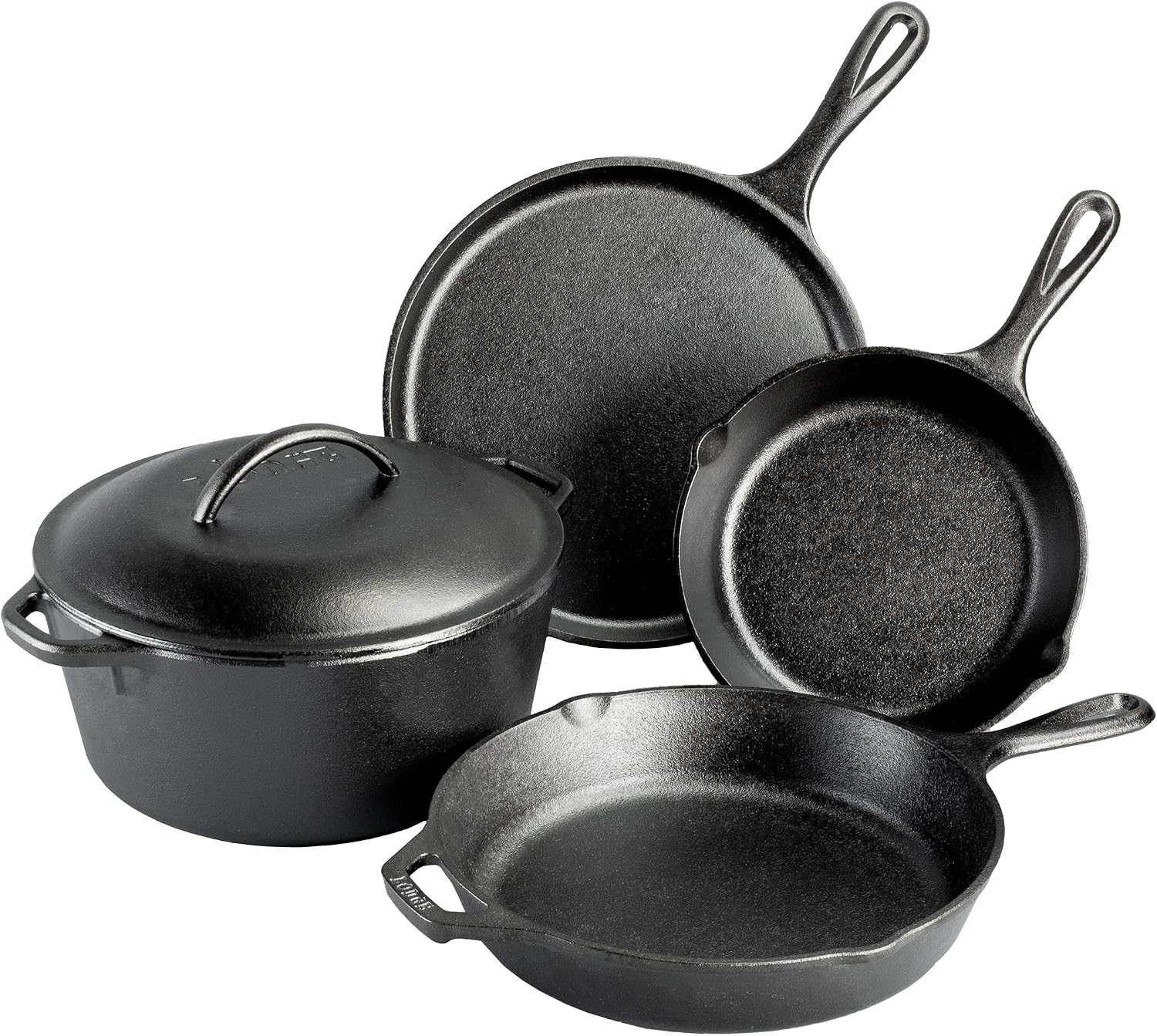
Selecting the right cast iron cookware for roasting, baking, and everyday meal preparation requires understanding how different designs handle heat retention and oven space. Lodge offers various configurations ranging from traditional multi-piece bundles to specialized casserole pans and enamel-coated options designed for versatile daily use.
Whether you need an expansive surface for large batch cooking or a moisture-locking braiser for slow-cooked dinner recipes, durable cast iron provides reliable even heat distribution. Examining each specific layout helps match your unique cooking style and kitchen setup with the appropriate piece of cookware.
As an Amazon Associate, StacyLaughs earns from qualifying purchases.
Buying guide
Sizing and Capacity Considerations
Choosing the correct size cast iron cookware depends heavily on your household size and the types of meals you prepare. Smaller pans suit side dishes, while 12-inch skillets and 9 x 13 inch casserole pans handle family dinners. Oversized 17-inch models serve large crowds effectively but demand expansive storage space. Matching capacity to your typical cooking volume prevents overcrowding and ensures even heat absorption across every meal preparation session.
When evaluating roasting pans and braisers, measuring your oven cavity and stovetop layout is essential. Heavy iron vessels retain heat remarkably well, but they require adequate physical clearance to slide in and out of tight spaces. Assessing your storage options beforehand ensures you can comfortably house heavier pieces without straining kitchen cabinets or risking accidental drops.
Material Construction and Heat Retention
Cast iron is celebrated for its exceptional heat retention properties, allowing cookware to maintain steady cooking temperatures even when cold ingredients are added. Traditional raw iron builds distribute heat uniformly across the entire base, minimizing hot spots that can cause uneven cooking. This thermal mass makes cast iron ideal for searing meats, baking casseroles, and achieving deep crusts during extended roasting cycles.
Enamel-coated cast iron offers similar thermal benefits while introducing a smooth glass-like surface that eliminates the need for traditional seasoning. This coated variety resists acidic ingredients like tomatoes better than raw iron. Understanding the structural differences between raw seasoned iron and enamel finishes helps buyers select the right material for their specific culinary habits.
Weight and Maneuverability Factors
Weight is a defining characteristic of cast iron cookware, with individual pieces ranging from a few kilograms to over 28 pounds for complete sets. Heavy construction provides stability and durability, but it also demands significant physical effort during lifting, cleaning, and transport. Cookware featuring dual assist handles helps distribute the load more securely, offering better control when moving heavy pans between stovetops, ovens, and dining tables.
Buyers should carefully evaluate their own physical comfort when handling heavy kitchen items. Selecting pans with supportive loop handles or secondary grips reduces strain during heavy lifting tasks. Acknowledging weight limitations upfront ensures you choose cookware that remains practical and enjoyable to use on a regular daily basis without causing fatigue.
Seasoning and Maintenance Requirements
Traditional cast iron requires ongoing maintenance to preserve its natural vegetable oil seasoning and protect against rust formation. Following manufacturer care guidelines typically involves hand washing with warm water, thorough drying, and applying a light coat of oil after every use. Embracing this simple maintenance routine allows the cooking surface to develop a naturally non-stick patina over time, enhancing its long-term performance and culinary reliability.
Enamel-coated cast iron simplifies upkeep by eliminating seasoning requirements, allowing for straightforward hand washing with mild soap. However, enamel surfaces still demand careful handling to prevent chipping from metal utensils or thermal shock. Reviewing these distinct upkeep commitments ensures buyers choose a maintenance style that aligns with their personal kitchen cleaning preferences.
Heat Source Compatibility and Versatility
One of cast iron's greatest strengths is its broad compatibility across diverse cooking environments. Most standard pieces perform reliably on gas burners, electric coils, induction cooktops, conventional ovens, outdoor grills, and open campfires. This versatility allows home cooks to start a dish on the stovetop and finish it directly inside the oven without transferring ingredients to a separate baking dish, streamlining multi-step cooking processes.
Certain oversized models or specialized configurations may have specific manufacturer limitations regarding compatible heat sources. Checking appliance requirements before purchase ensures seamless integration with your existing kitchen setup. Investing in versatile multi-surface cookware expands your cooking horizons across both indoor kitchen ranges and outdoor adventure settings.
Everyday Practicality Versus Storage Limits
Balancing kitchen utility against available cabinet space is crucial when investing in heavy cast iron cookware. While multi-piece sets and oversized roasting pans offer incredible cooking flexibility, they require dedicated storage areas capable of supporting substantial weight. Assessing your kitchen storage capacity before buying prevents overcrowding and ensures your cookware remains easily accessible for everyday meal preparation tasks.
Choosing versatile single pans or compact multi-purpose vessels often strikes a practical balance for smaller kitchens. Prioritizing items that match your most frequent cooking habits ensures high utility without cluttering your workspace. A thoughtful approach to collection building guarantees lasting satisfaction with your cast iron investment.
Frequently asked questions
How should I clean and maintain my Lodge pre-seasoned cast iron roasting pan?
Cleaning your pre-seasoned cast iron pan requires simple hand washing with warm water and a stiff brush, avoiding harsh dishwashers that strip the seasoning. After washing, dry the cookware completely on a warm burner to prevent any moisture from causing rust. Once dry, rub a very thin layer of vegetable oil across the interior and exterior surfaces before storing it in a dry location. This consistent maintenance routine preserves the natural non-stick finish and ensures heirloom durability.
Can cast iron roasting pans and skillets be used on induction cooktops?
Most traditional cast iron cookware is naturally compatible with smooth-surface induction cooktops because iron is magnetic and interacts directly with magnetic fields. However, checking specific manufacturer guidelines for each product model is always recommended to confirm compatibility, especially with oversized or specialized specialty pieces. When using cast iron on glass or induction surfaces, lift the pan rather than sliding it across the glass to prevent scratching or accidental damage to your cooktop.
What are the main benefits of choosing an enamel cast iron braiser over raw iron?
Enamel-coated cast iron provides the same exceptional heat retention and even distribution as raw iron while adding a smooth, protective glass-like surface. This enamel coating eliminates the need for traditional seasoning maintenance and allows you to cook acidic ingredients like tomatoes without worrying about metallic tastes or stripping the seasoning. Additionally, smooth enamel surfaces clean quickly with standard hand washing, making them convenient for everyday braising, baking, and roasting tasks in the kitchen.
How do I prevent food from sticking to a seasoned cast iron pan?
Preventing food from sticking starts with preheating your cast iron pan properly over medium heat before adding any cooking oil or ingredients. Allowing the pan to reach an even temperature ensures a uniform cooking surface. Additionally, using a small amount of oil or butter and letting proteins sear naturally until they release on their own helps build a smooth non-stick barrier over time. Regular seasoning upkeep further improves the natural release properties.
Are Lodge cast iron pans safe to use at high oven temperatures?
Lodge cast iron cookware is exceptionally durable and capable of withstanding very high oven temperatures safely, making it ideal for roasting, baking, and broiling. Because the pans are constructed entirely from heavy-duty iron without synthetic coatings that melt or degrade, they handle high heat environments with ease. Always use thick oven mitts or pads when handling hot cast iron because the handles become extremely hot during extended oven use or prolonged stovetop cooking.