Appliances · Buying Guide
Best Lodge Seasoned Cast Iron Skillet Options for Every Kitchen Setup
Choosing reliable cookware means looking at materials that retain heat evenly across different stovetops and ovens. Cast iron has remained a kitchen staple because of its robust build and dependable thermal properties. When exploring options, understanding sizing, weight, and handling features helps you match a pan directly to your daily routine, whether you are cooking for one or preparing large batch meals for a group.
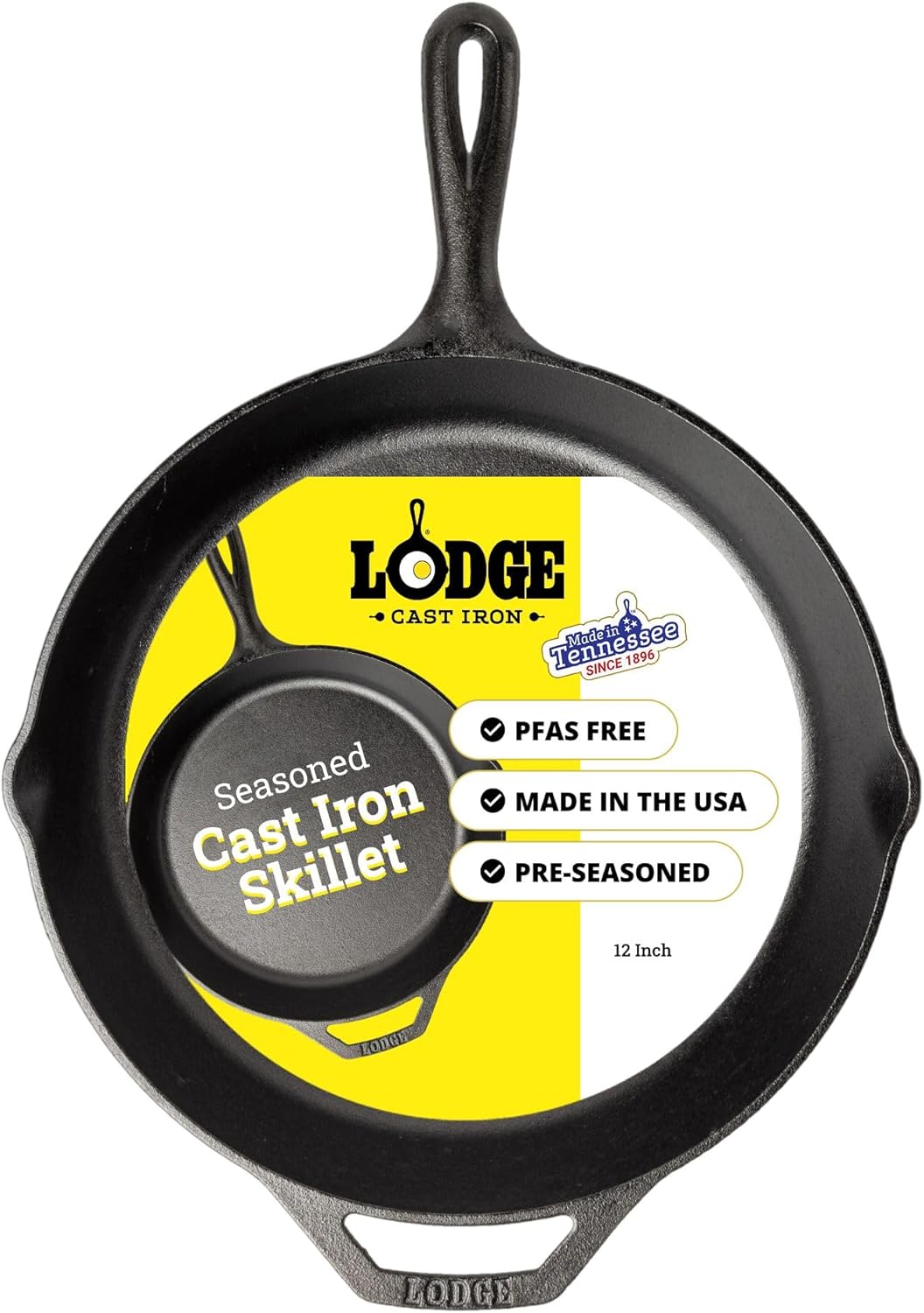
Lodge produces traditional iron cookware designed for longevity and versatile cooking methods across multiple heat sources. These pre-seasoned pans arrive ready for immediate use on gas, electric, or induction surfaces. Reviewing individual skillet sizes and handle configurations allows you to find a model that fits your storage space and meal preparation habits without unnecessary guesswork.
As an Amazon Associate, StacyLaughs earns from qualifying purchases.
Buying guide
Choosing the Right Skillet Diameter
Selecting the proper skillet diameter depends heavily on your household size and typical meal preparation habits. Smaller options measuring around eight inches suit single portions, individual eggs, and small side dishes without wasting thermal energy on empty space. Mid-sized variants provide versatile space for everyday family dinners, letting you sear meats and bake cornbread efficiently.
Extra-large pans accommodate crowd-sized batches, large cuts of meat, and heavy-duty campsite cooking. Matching the pan diameter to your specific burner size ensures even thermal distribution across the base, preventing hot spots and optimizing cooking efficiency during daily kitchen routines. Always measure your storage and stovetop areas before purchasing.
Evaluating Weight and Handling Comfort
Cast iron is naturally dense, meaning heavier pans require careful consideration regarding physical strength and everyday handling. Standard mid-sized skillets weigh a few pounds, while oversized commercial-style models can exceed thirteen pounds. Assess how comfortably you can lift, tilt, and transport a loaded pan from the stovetop to the oven or sink.
Look for features like assist handles or silicone grips if you need extra leverage and thermal protection during transport. Selecting a manageable weight prevents strain and ensures you can clean and store your cookware safely without risking accidental drops in a busy kitchen environment.
Understanding Stovetop and Oven Compatibility
One major advantage of traditional cast iron cookware is its broad compatibility across diverse heating appliances. Most quality iron skillets work seamlessly on gas burners, electric coils, and smooth surface induction cooktops. This flexibility allows you to start a recipe on the stove and finish it directly inside the oven.
Always verify specific temperature limits and recommended heat sources listed for each model to protect the seasoning and metal structure. High-temperature ratings often reach five hundred degrees Fahrenheit or higher, accommodating broiling and grilling tasks effortlessly. Check your appliance type before buying.
Seasoning and Non-Stick Maintenance
Pre-seasoned cast iron arrives with baked-on vegetable oil that provides an initial natural release surface for cooking. Unlike synthetic non-stick coatings, real iron seasoning improves progressively the more you use the pan. Proper maintenance involves regular hand washing, thorough drying, and applying a thin coat of cooking oil after each use.
Avoiding harsh detergents and prolonged soaking protects the seasoning layer from degrading over time. Embracing this simple care routine ensures your skillet maintains its dark, smooth finish and performs reliably for generations of cooking adventures at home or outdoors.
Heat Retention and Cooking Performance
Cast iron is celebrated for its unmatched capacity to absorb and retain heat evenly across the entire cooking surface. This property makes it exceptional for achieving deep, flavorful sears on steaks, crisp edges on cornbread, and steady temperatures during frying. The thick metal walls maintain heat even when cold ingredients are added.
While cast iron takes longer to preheat than thin aluminum pans, it holds that warmth long after burners are turned off. This thermal inertia helps keep food warm at the table and delivers consistent results for baking recipes that require sustained, radiant heat.
Storage and Kitchen Space Planning
Because cast iron cookware is exceptionally sturdy and heavy, planning your kitchen storage space is an essential part of the buying process. Large or oversized skillets require robust shelving or dedicated lower cabinet space that can support substantial weight without sagging. Measure your available clearance carefully.
Hanging heavy pans from sturdy hooks is another popular storage method that saves cabinet space while keeping your favorite skillet easily accessible. Consider how often you use the pan and choose a storage spot that minimizes heavy lifting distances in your daily routine.
Frequently asked questions
How do I clean a seasoned cast iron skillet after cooking?
Cleaning a seasoned cast iron skillet requires hand washing with warm water rather than placing it in a dishwasher. You can use a mild soap if necessary, though many cooks rely on stiff brushes or pan scrapers for stubborn food residue. After washing, dry the skillet completely with a towel or place it on a warm burner to evaporate lingering moisture. Finally, rub a thin layer of cooking oil over all surfaces while the metal is still slightly warm to protect the seasoning against rust.
Can I use metal utensils on pre-seasoned cast iron pans?
Yes, you can use metal utensils on pre-seasoned cast iron cookware without worrying about damaging synthetic non-stick coatings, because the cooking surface is made of hardened iron and baked-on oil. While metal spatulas or turners may occasionally leave marks on the seasoning layer, these minor blemishes are easily corrected as the seasoning thickens and repairs itself through regular cooking and oil maintenance. This durability makes cast iron particularly forgiving during vigorous flipping and scraping tasks.
What makes cast iron better for searing meats?
Cast iron excels at searing meats because of its superior thermal mass and exceptional heat retention capabilities. When placed on a hot burner or inside an oven, the thick iron absorbs a high volume of thermal energy and radiates it evenly across the meat surface. Unlike thinner pans that lose heat instantly when cold food is added, cast iron maintains a steady high temperature, producing a rich, evenly browned crust on steaks, chops, and chicken breasts every time.
Do I need to re-season my Lodge skillet before using it?
Lodge cast iron skillets arrive pre-seasoned with one hundred percent vegetable oil, meaning they are ready to use straight out of the box without requiring an initial seasoning process. However, the seasoning will continue to improve and build a slicker cooking surface the more frequently you cook with it. If the pan ever appears dry or dull after heavy cleaning, you can easily apply a light coat of cooking oil and bake it in the oven to reinforce the protective finish.
Are cast iron skillets compatible with induction cooktops?
Most cast iron skillets are fully compatible with smooth surface induction cooktops because iron is a naturally magnetic material that interacts directly with induction magnetic fields. When placing a cast iron pan on an induction burner, it heats up quickly and efficiently. Always check the specific manufacturer guidelines for your chosen model to confirm induction compatibility, and gently place the heavy pan onto the glass cooktop surface to avoid scratching or cracking the delicate glass during meal preparation.