Appliances · Buying Guide
Best Lodge Seasoned Steel Skillet Options for Every Kitchen
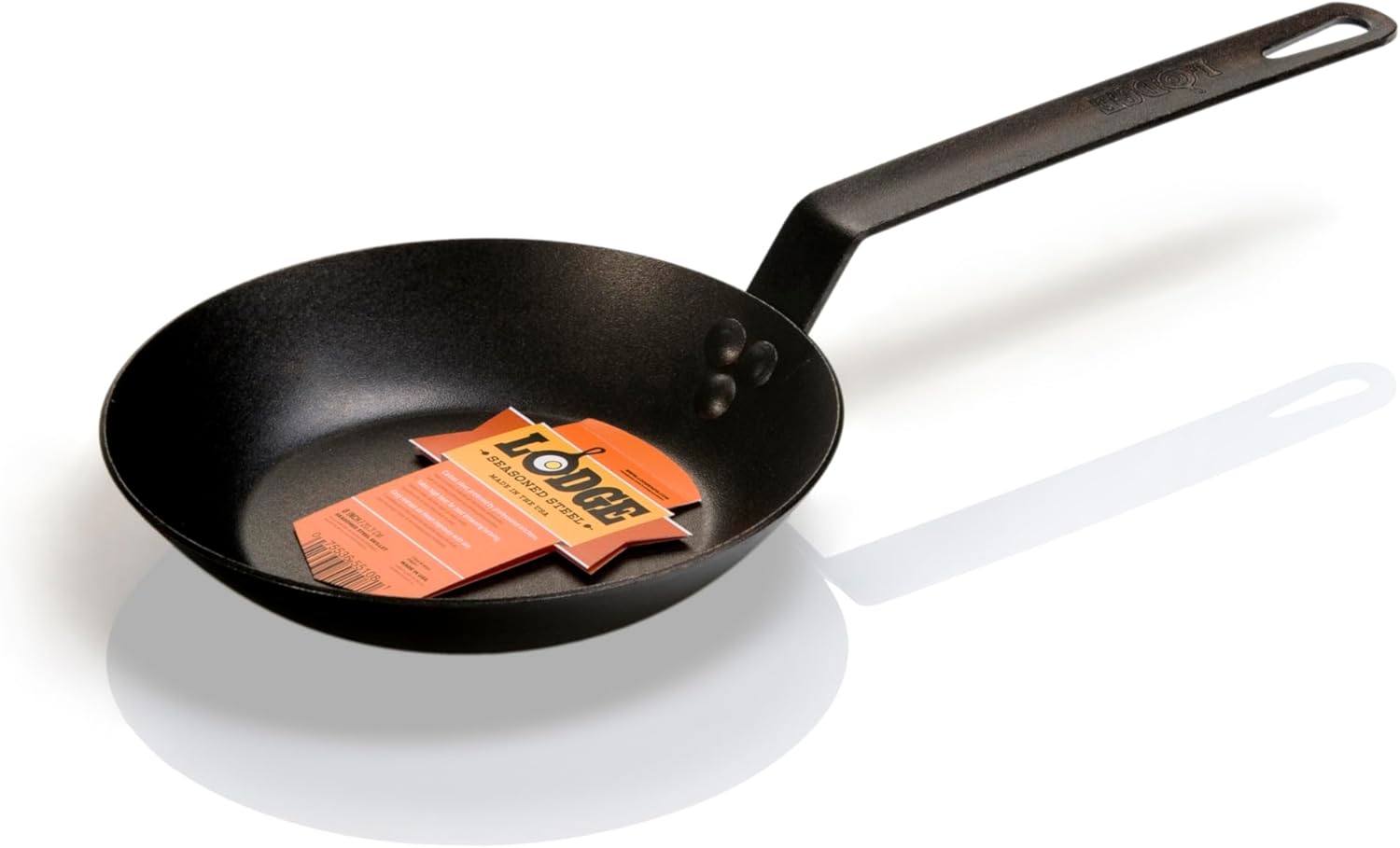
Choosing the right cookware shapes your daily meal preparation, especially when searing meats, sautéing vegetables, or exploring open-fire cooking in various environments. Lodge offers a durable lineup of seasoned steel skillets designed to handle various stovetops, campfires, and high cooking temperatures reliably over time. These options bring traditional cooking performance straight to modern home kitchens.
These traditional culinary tools come in multiple sizes and handle configurations, featuring pre-seasoned vegetable oil finishes that support natural food release properties without synthetic chemicals. Whether outfitting a compact kitchen apartment or expanding outdoor camping gear, understanding these specific variations ensures you select the ideal skillet for your routine cooking needs and preferred recipes.
As an Amazon Associate, StacyLaughs earns from qualifying purchases.
Buying guide
Choosing the Right Skillet Size
Selecting the appropriate skillet size depends entirely on your household size and the types of recipes you routinely prepare in your kitchen. Compact eight-inch models work exceptionally well for single-serving eggs, individual side dishes, or quick morning portions. Meanwhile, versatile ten-inch and twelve-inch variants offer expanded surface areas for family meals, searing thick meats, and sautéing vegetables without overcrowding the cooking surface during use.
For massive gatherings, campouts, or outdoor grilling, oversized fifteen-inch options deliver maximum cooking capacity. However, larger pans require significantly more storage room and ample sink space for manual cleaning routines. Evaluating your typical batch sizes and available kitchen space helps narrow down these physical dimensions effectively before making your final buying decision.
Understanding Handle Configurations
Handle design significantly impacts both comfort and practical usability on the stovetop or inside a home oven. Traditional long handles provide extra leverage and distance from high heat, making them ideal for stove maneuvering, active sautéing, and flipping ingredients. They allow home cooks to tilt the pan smoothly when basting proteins or transferring completed dishes safely.
Dual-handle layouts, by contrast, offer balanced lifting and fit easily into tight oven cavities or onto portable camp grills where long handles might obstruct the door or lid. While dual handles reduce traditional leverage during stovetop work, they completely eliminate awkward handle protrusions during baking and high-heat roasting tasks.
Material Performance and Heat Responsiveness
Carbon steel construction bridges the gap between traditional heavy cast iron and modern stainless steel cookware options. These versatile pans heat up rapidly and respond instantly to burner temperature adjustments, preventing delicate foods like fish and eggs from overcooking on active stovetops. This fast thermal response gives you precise control over your cooking environment.
Furthermore, quality steel skillets retain heat efficiently to deliver reliable edge-to-edge even cooking across the entire pan floor. Whether searing a thick steak or simmering a quick vegetable side dish, understanding this material behavior ensures you capitalize on the rapid heating and cooling cycles during everyday meal preparation in your kitchen today.
Seasoning and Natural Non-Stick Surfaces
Seasoning involves baking natural oil directly into the metal pores, creating a natural and chemical-free release finish that prevents rusting and food sticking. Unlike synthetic non-stick coatings, traditional vegetable oil seasoning actually improves with continued use, routine seasoning layers, and proper maintenance over the lifespan of the cookware in your kitchen.
Caring for this seasoned surface requires avoiding harsh abrasive chemicals and embracing routine hand washing with warm soapy water and nylon scrub brushes. Maintaining the protective oil layer ensures your skillet remains a dependable, non-toxic tool for daily frying, sautéing, and baking applications without ever peeling synthetic layers off.
Cooktop Compatibility and Oven Safety
Modern steel skillets offer impressive versatility across a wide range of cooking appliances found in contemporary homes today. Most models support electric coil, gas, and smooth surface induction cooktops seamlessly without requiring special adapters or restrictive heating bases. This cross-platform compatibility makes them ideal for cooks who frequently switch between different heat sources.
In addition to stovetop use, many seasoned steel pans tolerate high oven temperatures safely up to five hundred degrees Fahrenheit. This allows you to start a recipe on the burner and finish it directly inside the oven, expanding your baking and roasting capabilities significantly for savory family meals and treats.
Cleaning and Maintenance Protocols
Proper cleaning routines are essential for preserving the seasoned finish and preventing rust accumulation on carbon steel cookware surfaces over time. Manufacturers typically recommend hand washing with warm soapy water and a nylon scrub brush rather than tossing the pan into an automated dishwasher where harsh detergents strip away seasoning rapidly.
Drying the skillet thoroughly immediately after washing and applying a very thin layer of vegetable oil helps protect the exposed metal surface between cooking uses. Adhering to these simple care instructions guarantees your cookware stays in top physical shape for years of reliable meal preparation and daily kitchen service routines effortlessly.
Frequently asked questions
Can I use metal utensils on a Lodge seasoned steel skillet?
Yes, you can use metal utensils on carbon steel skillets because the durable metal surface withstands regular flipping and scraping without sustaining damage. Unlike delicate synthetic non-stick coatings that easily scratch and peel off into food, seasoned steel is tough enough for metal spatulas and whisks. However, practicing reasonable care during heavy chopping or aggressive scraping helps maintain a smoother cooking surface and preserves the seasoning layer over extended periods of daily kitchen use.
Are Lodge carbon steel skillets safe for induction cooktops?
Lodge carbon steel skillets work exceptionally well on smooth surface induction cooktops, along with traditional gas ranges and electric coil burners. The steel construction interacts effectively with magnetic induction elements to generate fast, even heat across the pan floor. This compatibility makes them versatile choices for modern kitchens where cooktop types might vary, allowing you to transfer your favorite skillet between different heating appliances seamlessly without requiring any special accessories or pan adapters.
Do I need to season my skillet before using it for the first time?
Lodge carbon steel skillets come pre-seasoned from the factory with 100 percent natural vegetable oil baked directly into the metal pores, meaning you can start cooking right away. There is no requirement for complex initial seasoning rituals before your first recipe. However, continuing to cook oily foods and applying thin layers of oil after routine cleanings will naturally enhance the non-stick release properties and rust resistance as you use the pan over time.
How should I clean my carbon steel skillet after cooking?
You should always hand wash your carbon steel skillet using warm soapy water and a nylon scrub brush, avoiding automatic dishwashers entirely to protect the seasoning. Harsh detergents and soaking cycles in a dishwasher can strip the protective oil layer and cause unwanted rust. After washing, dry the pan completely with a towel and rub a very thin coat of oil onto the surface to maintain its natural finish before storing it away.
Can I put a Lodge seasoned steel skillet inside the oven?
Most Lodge seasoned carbon steel skillets are oven safe up to five hundred degrees Fahrenheit, making them versatile tools for baking, roasting, and searing. You can easily start a dish on the stovetop burner and transfer the entire pan directly into the oven to finish cooking. Always check your specific model specifications regarding maximum temperature limits and handle materials to ensure safe handling when moving hot cookware in and out of the oven cavity.