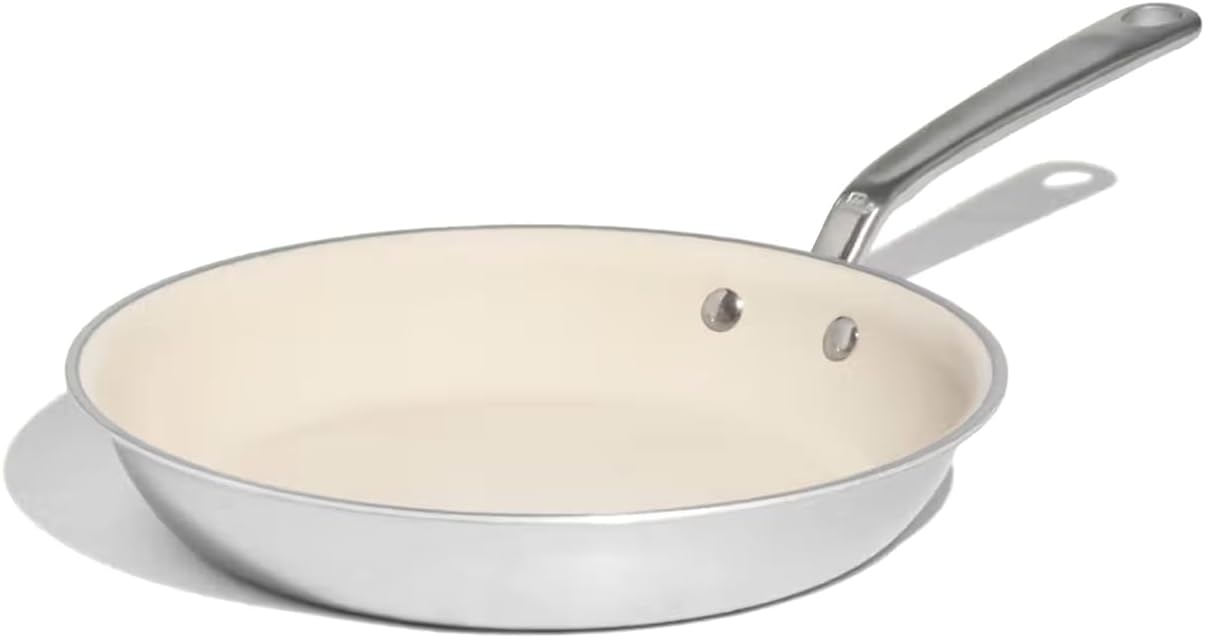
Appliances · Buying Guide
Best Made In Frying Pan Options for Every Kitchen Style
Finding the right cookware involves balancing heat distribution, material build, and everyday maintenance requirements. The Made In frying pan lineup offers various configurations, ranging from multi-clad stainless steel to seasoned carbon steel and specialized non-stick surfaces, built to suit different cooking routines and heat control preferences in home kitchens.
Whether you are searing proteins at high temperatures on an induction cooktop or gently cooking delicate items like eggs, understanding each pan's unique construction helps you select the ideal tool. Examining features like handle design, maximum temperature limits, and surface coatings ensures your kitchen setup matches your exact needs while supporting versatile daily cooking.
As an Amazon Associate, StacyLaughs earns from qualifying purchases.
Buying guide
Material Construction and Core Layers
Choosing the right frying pan starts with evaluating its core construction and metal layers. Multi-clad options combine several sheets of metal, such as stainless steel and aluminum, to distribute thermal energy uniformly across the entire cooking surface. This multi-layer design eliminates frustrating hot spots and ensures consistent temperature control whether you are searing large proteins or simmering delicate sauces.
Alternative materials like carbon steel offer a different balance, combining heavy-duty heat retention with lighter handling. Evaluating whether a solid metal core or a hybrid composition fits your cooking habits will guide you toward a pan that responds quickly to temperature adjustments. Sourcing pans with robust internal construction ensures long-term reliability in daily kitchen environments.
Stovetop Compatibility and Induction Support
Modern kitchens feature diverse cooktop technologies, making stovetop compatibility a critical purchasing factor. Many premium pans incorporate outer layers of magnetic stainless steel, allowing them to function seamlessly on smooth surface induction ranges alongside traditional gas and electric burners. Verifying that your chosen cookware matches your specific kitchen setup prevents heating issues during meal preparation.
Induction-ready bases rely on specialized magnetic metals to transfer energy efficiently without requiring direct element contact. Checking whether a pan supports ceramic, electric coil, or open flame use ensures maximum versatility if you remodel your kitchen or cook in outdoor settings. Prioritizing broad compatibility gives you freedom to use your cookware across various heat sources over time.
Surface Coatings and Food Release
Cooking surfaces vary significantly between raw metals, seasoned finishes, and advanced nonstick coatings. Professional nonstick layers allow you to prepare meals with minimal oil, helping delicate items like fish and eggs slide freely without sticking. These specialized surfaces streamline the cooking process by reducing food residue buildup and simplifying everyday kitchen tasks.
In contrast, uncoated stainless steel or seasoned carbon steel surfaces invite direct browning and develop rich pan fond for pan sauces. Selecting your preferred surface type depends entirely on what foods you cook most frequently and how much effort you wish to spend managing release properties over time. Matching the coating style to your daily recipes guarantees better culinary outcomes.
Handle Design and Ergonomic Balance
The physical connection between the pan body and its handle dictates overall comfort and maneuverability during active cooking. Hollow or meticulously engineered stay-cool handles help dissipate stovetop heat, ensuring a secure grip when you flip ingredients or move heavy pans. Riveted attachments further reinforce this connection, providing structural stability that endures decades of frequent kitchen use.
Handle length and angle also influence how easily a pan fits onto crowded burners or inside compact storage cabinets. A balanced grip reduces wrist strain when lifting fully loaded cookware from the burner to the countertop. Examining handle materials, whether stainless steel, brass, or specialized metals, helps you find a comfortable tool that matches your physical lifting preferences.
Temperature Limits and Oven Safety
Many cooking techniques require transferring a frying pan directly from the stovetop into a hot oven to finish baking or set a crust. Checking the maximum temperature rating ensures your cookware safely withstands high oven heat without warping or degrading handle components. Pans rated for high thermal limits offer exceptional versatility for multi-step recipes.
Different materials handle extreme heat differently, with some carbon steel models enduring very high temperatures on open flames or grills. Knowing these thermal thresholds prevents accidental damage to specialized nonstick coatings or handle fixtures during intensive cooking sessions. Matching the oven-safe rating to your favorite baking and roasting styles ensures dependable performance across diverse cooking environments.
Maintenance Requirements and Cleaning
Proper cleaning routines preserve the longevity and performance of your frying pan across years of regular use. While certain models offer dishwasher-safe convenience, many professional-grade or coated pans require gentle hand washing with mild soap and soft sponges. Adhering to manufacturer care guidelines prevents surface scratching and premature wear on specialized finishes.
Seasoned carbon steel and ceramic nonstick surfaces demand specific ongoing maintenance habits, such as avoiding abrasive scrubbers and metal utensils entirely. Committing to these straightforward care instructions keeps your cookware performing reliably and looking pristine over its extended lifespan. Understanding maintenance expectations upfront helps you choose a pan that fits smoothly into your daily cleanup routine.
Frequently asked questions
Can I use metal utensils on all Made In frying pans?
The manufacturer guidance varies depending on the specific frying pan surface you select. Uncoated stainless steel and seasoned carbon steel models generally tolerate metal utensils, though they may show surface scratches over time. In contrast, ceramic nonstick and professional nonstick pans require non-metal utensils, such as wood, silicone, or plastic tools, to protect the delicate coating from scratching. Reviewing the specific product guidelines before cooking ensures you avoid damaging specialized nonstick or ceramic surfaces during everyday meal preparation.
Are Made In frying pans compatible with induction cooktops?
Yes, many Made In frying pans are designed with induction-compatible exterior layers, such as 430 stainless steel or magnetic stainless clad bases. These materials allow the cookware to interact efficiently with smooth surface induction cooktops as well as traditional gas, electric, and ceramic burners. Always check the specific product specifications to confirm induction readiness before purchasing, as certain hybrid models are engineered for broad multi-stovetop versatility across indoor kitchens and outdoor setups.
How should I clean my stainless steel or nonstick frying pan?
Cleaning requirements depend entirely on the specific materials and finishes of your chosen frying pan. While select stainless steel models feature dishwasher-safe construction for streamlined cleanup, most professional-clad, nonstick, and ceramic pans require hand washing with a soft sponge and mild soap. Avoid abrasive scrubbers and harsh chemical cleaners to preserve the integrity of specialized coatings and metallic finishes. Following proper maintenance guidance helps extend the functional lifespan of your kitchen cookware.
What is the maximum temperature limit for these frying pans?
Temperature limits vary widely based on the pan construction and surface coatings. Stainless steel clad pans often withstand very high heat up to 800 degrees Fahrenheit, while seasoned carbon steel models can endure extreme temperatures reaching 1200 degrees Fahrenheit for open flame or grill use. Specialized ceramic and nonstick pans usually feature lower thermal thresholds, such as 500 to 550 degrees Fahrenheit. Always verify the maximum temperature rating before moving your pan into the oven.
Why do carbon steel pans require seasoning?
Seasoned carbon steel pans feature an oil finish that builds a natural, slick release surface over time with regular use and proper care. This seasoning process combines the high-heat retention and durability of cast iron with the faster heat responsiveness of steel. Unlike factory-applied chemical coatings, seasoning develops organically, meaning the pan improves its nonstick properties the more you cook with it. Maintaining this oil finish requires hand washing and occasional re-seasoning to protect the bare metal.