Appliances · Buying Guide
Best Made In Frying Pans for Professional Kitchen Performance
Selecting the right kitchen cookware involves understanding how different metals and multi-ply builds handle everyday heat during cooking tasks. Professional kitchens and dedicated home cooks rely on specific construction types to ensure food cooks evenly across various stovetops, including modern smooth surface induction units and traditional gas burners. Proper research prevents common cooking frustrations.
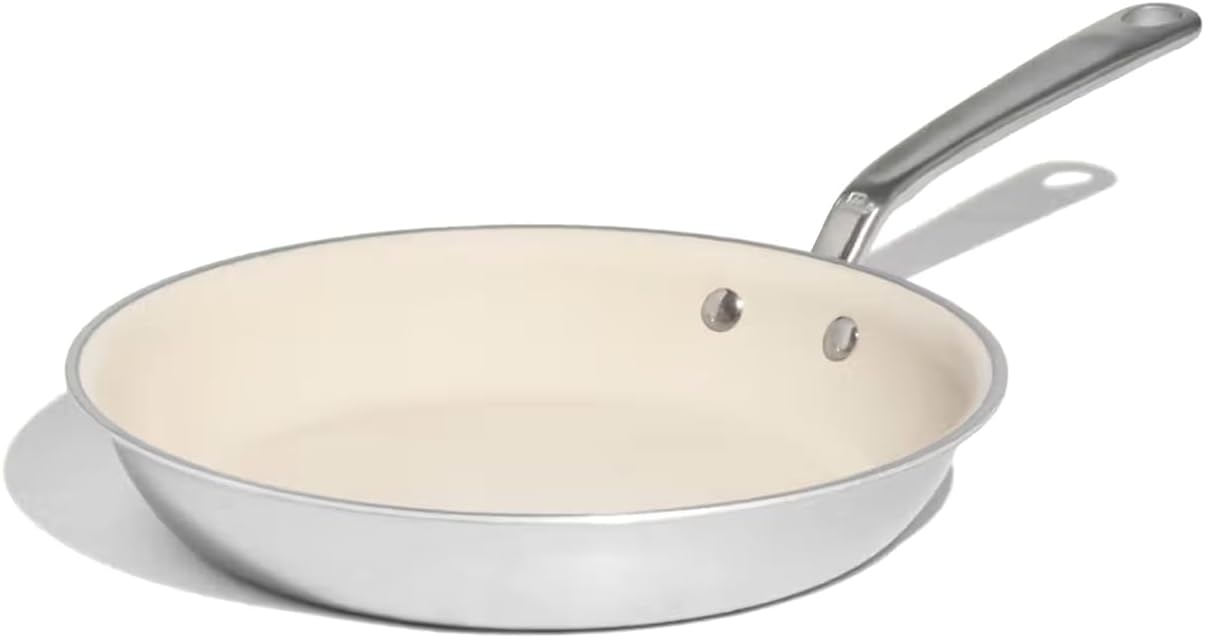
Made In offers a distinct selection of professional-grade frying pans crafted in Italy and Sweden, utilizing 5-ply stainless steel cladding, bonded ceramic non-stick surfaces, and seasoned carbon steel. Exploring these options helps home cooks match pan materials to specific recipes, whether high-heat searing proteins or flipping delicate breakfast items effortlessly every day.
As an Amazon Associate, StacyLaughs earns from qualifying purchases.
Buying guide
Understanding Multi-Ply Stainless Construction
Multi-ply stainless steel construction involves bonding multiple layers of premium metal together to achieve optimal heat distribution across the entire cooking area. Pans featuring five metal layers effectively eliminate hot spots that often plague thin, single-layer cookware. This specialized engineering allows thermal energy to spread evenly across the flat base and up the sloping sides of the vessel.
Such thermal responsiveness is essential when cooking foods that require precise, rapid temperature adjustments during daily meal preparation. Whether reducing a delicate pan sauce or browning dense proteins, multi-ply stainless steel provides home cooks with reliable control over their cooking environment across gas, electric, and induction stovetops without experiencing sudden temperature spikes.
Choosing Between Stainless Steel and Carbon Steel
Selecting between stainless steel and carbon steel depends heavily on your daily cooking habits, preferred recipes, and overall maintenance preferences in the kitchen. Stainless steel offers brilliant corrosion resistance and responds quickly to temperature changes, making it ideal for general sautéing, pan frying, and simmering acidic tomato-based sauces without reacting adversely to food ingredients.
Carbon steel bridges the gap between heavy traditional cast iron and responsive stainless steel by offering extreme heat tolerance and incredible structural durability. While it requires routine seasoning maintenance to build natural non-stick properties over time, carbon steel excels at high-heat searing on stovetops, outdoor grills, or open flames.
Evaluating Ceramic Non-Stick Options
Ceramic non-stick frying pans provide an effective alternative for cooking delicate foods like eggs, fish, and pancakes without requiring excessive amounts of oil or butter. By bonding a specialized ceramic coating directly to a multi-ply stainless steel core, these pans achieve even heat spread while letting food slide free effortlessly across the entire cooking surface.
Potential buyers should note that ceramic non-stick surfaces require gentle handling procedures during daily use. Using soft sponges, strictly avoiding metal utensils, and allowing the pan to heat and cool gradually helps preserve the specialized coating integrity and ensures long-lasting cooking performance during daily meal routines and dinner preparations.
Managing Stovetop and Oven Compatibility
Modern frying pans offer versatile compatibility across a wide array of cooking surfaces, including traditional gas burners, electric coils, and smooth surface induction cooktops. A top layer of magnetic stainless steel allows these pans to interface smoothly with induction heating elements without requiring any specialized adapters or workarounds in the busy home kitchen environment.
Beyond the stovetop, many professional-grade pans tolerate impressively high oven temperatures, allowing home cooks to finish baked frittatas, brown meats, or keep cooked dishes warm. Checking the manufacturer maximum temperature rating ensures safe, seamless transitions from burner flames directly into hot baking ovens during complex recipe preparations and dinners.
Maintaining Hand-Wash-Only Cookware
Proper maintenance ensures that professional-grade frying pans retain their structural integrity, appearance, and reliable cooking performance over years of daily kitchen use. Many premium stainless steel, ceramic coated, and carbon steel pans require manual hand washing rather than automatic dishwasher cycles to protect their specialized builds from physical damage and wear.
Aggressive dishwasher detergents and harsh machine wash cycles can degrade exterior metal finishes, ceramic coatings, or seasoned layers prematurely. Following manufacturer care guidelines by using mild soap, warm water, and soft sponges preserves the financial investment made in quality kitchen cookware over the long term of home cooking.
Sizing Pans for Everyday Meal Prep
Choosing the correct frying pan size depends heavily on the total volume of food you typically prepare and the exact number of people dining at home each evening. Smaller eight-inch or ten-inch pans perfectly suit single portions, morning eggs, or quick side dishes without unnecessarily crowding the available stovetop burners and workspace.
Larger twelve-inch frying pans provide ample surface space for family-sized meals, bulk searing of dense proteins, and easily tossing sautéed vegetables together. Carefully assessing your household meal routines helps determine whether a single specialized pan or a comprehensive multi-piece set best serves your everyday kitchen requirements and storage limits.
Frequently asked questions
Are Made In frying pans compatible with induction cooktops?
Yes, all the featured Made In frying pans are fully compatible with smooth surface induction cooktops. The stainless steel clad models incorporate a top layer of 430 stainless steel specifically designed to work effortlessly with induction burners. Similarly, the carbon steel and ceramic non-stick variants support induction cooking alongside traditional gas and electric stovetops. This broad compatibility ensures that home cooks can use these pans across various kitchen setups without worrying about whether their cookware will interface properly with modern heating technology or older stovetops.
Can these frying pans be used inside the oven?
Most of these frying pans support oven use, though maximum temperature limits vary by construction type. The stainless steel clad models and the carbon steel pan tolerate very high heat, handling up to 800 degrees and 1200 degrees Fahrenheit respectively. The ceramic non-stick pan is oven safe up to 550 degrees Fahrenheit. These high limits allow cooks to start dishes on the stovetop and finish them in the oven, such as browning meats, baking frittatas, or keeping meals warm before serving guests.
Do Made In frying pans require hand washing?
Yes, manufacturer instructions specify that all these frying pans require hand washing rather than automatic dishwasher cleaning. Dishwasher detergents and harsh wash cycles can degrade exterior metal finishes, specialized ceramic non-stick coatings, or seasoned carbon steel surfaces over time. Owners should clean the pans manually using mild soap, warm water, and soft sponges. Following these care guidelines preserves the structural integrity, appearance, and cooking performance of the cookware throughout years of regular kitchen use and meal preparation.
What is the advantage of a 5-ply stainless clad construction?
A five-ply stainless clad construction bonds five alternating layers of metal, typically combining stainless steel and aluminum, to maximize heat distribution and responsiveness. This engineering eliminates hot spots that often occur with thin, single-layer pans, ensuring that heat spreads evenly across the base and up the sides. For home cooks, this means superior control when simmering delicate sauces, searing proteins, or sautéing vegetables, resulting in more consistent and predictable cooking outcomes across various burners and stovetops every single day.
How do I maintain a carbon steel frying pan?
Maintaining a carbon steel frying pan involves regular seasoning and proper manual cleaning to build and preserve its natural non-stick surface. After hand washing the pan with warm water and mild soap, users should dry it thoroughly and apply a thin layer of oil to prevent rusting. Regular cooking, particularly involving fats and oils, helps the steel develop a dark, seasoned patina over time. This seasoning enhances the pan slickness, making it ideal for high-heat searing and frying tasks.