Appliances · Buying Guide
Best Made In Nonstick Frying Pan Options for Every Kitchen
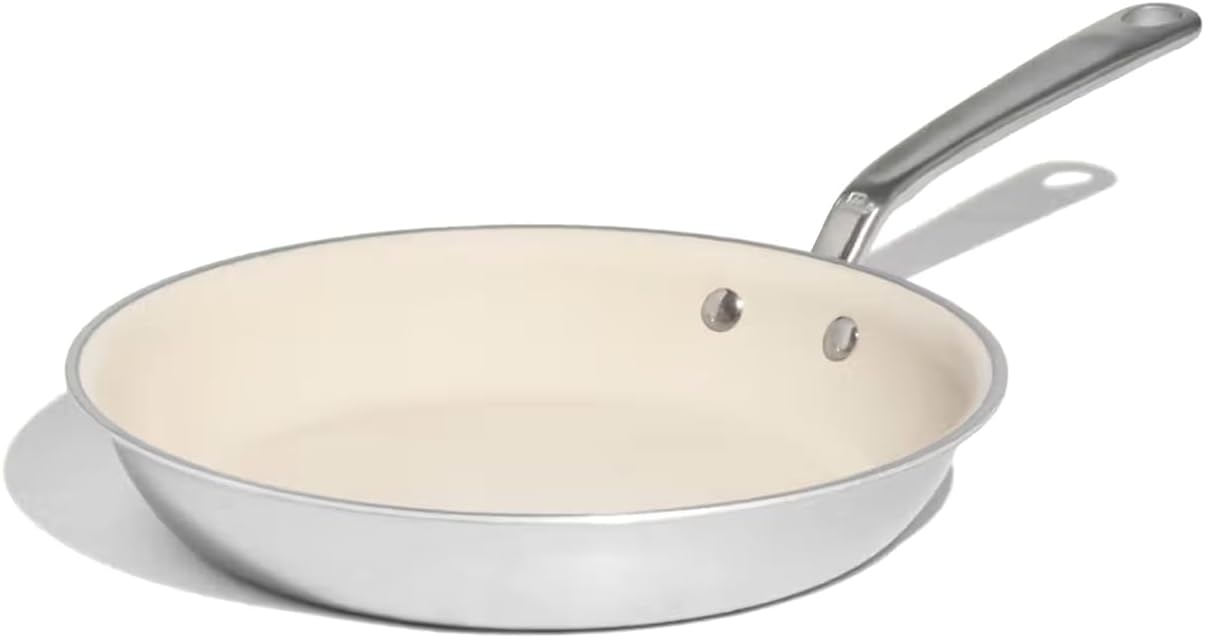
Selecting the right frying pan requires looking closely at core materials, surface coatings, and how evenly heat travels across the bottom surface. Made In manufactures multiple nonstick frying pan options crafted in Italy, utilizing multi-ply stainless steel bases paired with either ceramic or professional-grade nonstick coatings built for full compatibility with induction, gas, and electric cooktops.
Finding the ideal skillet depends on matching physical dimensions, capacity, and handle configurations to your daily meal preparation habits. From compact single-portion skillets to large multi-quart pans designed for family dinners, exploring these Italian-crafted cooking tools helps identify the ideal balance of surface area, weight, and everyday manageability for your kitchen.
As an Amazon Associate, StacyLaughs earns from qualifying purchases.
Buying guide
Understanding Multi-Ply Stainless Clad Construction
The foundation of a quality frying pan dictates how well it manages heat across different stovetops. Multi-ply stainless clad cores combine layers of stainless steel and aluminum to eliminate cold spots, ensuring that heat spreads evenly from the center to the outer edges of the cooking surface. This robust construction style supports rapid temperature adjustments whether you are searing proteins, sautéing vegetables, or gently simmering delicate sauces.
When selecting a skillet, checking the core build helps determine its overall durability, thermal response, and physical weight. Multi-ply metals offer structural strength that resists warping over years of regular use on gas, electric, and induction cooktops. Pairing this sturdy core with advanced bonding techniques ensures the pan maintains flat contact with heating elements for consistent culinary results.
Comparing Ceramic and Professional Nonstick Coatings
Choosing the correct nonstick coating depends on your cooking preferences and preferred maintenance habits. Ceramic coatings offer a slick surface made without PFAS, PTFE, PFOA, lead, or cadmium, allowing food to slide freely with minimal added oil or butter. These surfaces excel at gentle tasks like cooking eggs, delicate fish fillets, and fluffy pancakes without sticking.
Professional-grade nonstick coatings provide alternative surface durability designed to withstand intensive daily routines while maintaining easy release properties. Regardless of the specific nonstick type chosen, protecting the surface requires avoiding abrasive metal utensils and harsh cleaning pads. Following these simple usage guidelines helps preserve the nonstick performance over the lifespan of the pan.
Selecting the Right Diameter and Capacity
Skillet dimensions directly impact how much food you can prepare in a single batch. Smaller 8.5-inch pans with modest capacities work well for single portions, individual breakfast items, or tight kitchen storage spaces. Mid-sized 10.5-inch options provide a balanced cooking area suitable for everyday meals and standard household cooking tasks without occupying excessive burner space.
Larger 12.5-inch pans accommodate family-sized meals and batch cooking, offering wide flat cooking surfaces for multiple chicken breasts or large vegetable medleys. However, these larger dimensions add physical weight and require more storage room in cabinets. Matching the diameter and capacity to your household size ensures efficient meal prep without handling oversized cookware.
Evaluating Handle Materials and Ergonomics
The handle of a frying pan heavily influences maneuverability, comfort, and safety during active stovetop cooking sessions. Hollow stainless steel handles are engineered to stay cool during normal cooktop use, significantly reducing the risk of accidental burns when moving or tilting the pan. Their balanced weight distribution gives you steady control when tossing vegetables or flipping delicate food items.
Alternative handle materials, such as antique brass, introduce distinct visual aesthetics and solid gripping surfaces for open kitchen storage and serving tasks. When evaluating handle designs, consider how the length and shape fit your hand and whether the overall balance feels secure when the pan is fully loaded with heavy ingredients. Proper ergonomics prevent wrist strain and hand fatigue during extended cooking sessions.
Stovetop Versatility and Oven Compatibility
Modern frying pans often bridge the gap between stovetop cooking and oven finishing. Pans rated for high temperatures up to 550 degrees Fahrenheit allow you to sear a frittata on gas, electric, or induction burners before moving the entire skillet straight into the oven to set the crust. This seamless transition expands your recipe repertoire.
Checking stove and oven compatibility ensures your cookware safely withstands high heat environments without damaging handles or coatings. Induction compatibility requires a magnetic stainless steel base, which ensures efficient energy transfer across modern cooktops. Confirming these temperature limits prevents accidental overheating and preserves the longevity of your cookware investment over time.
Proper Care and Maintenance Guidelines
Preserving the performance of a premium nonstick frying pan requires following manufacturer care instructions diligently. Most high-end nonstick and ceramic pans require manual hand washing with mild soap and a soft sponge, omitting automatic dishwashers to protect the delicate surface coatings. Allowing the pan to heat and cool gradually also prevents thermal shock and warping.
Avoiding metal utensils is another vital step in preventing scratches on ceramic or professional nonstick layers. Sticking to wooden, silicone, or plastic tools protects the slick cooking surface from premature wear and tear. Adhering to these routine maintenance practices ensures your frying pan delivers reliable nonstick performance and effortless food release over years of regular use.
Frequently asked questions
Are these nonstick frying pans safe to use on induction cooktops?
Yes, all the featured Made In nonstick frying pans are fully induction compatible. They are designed with multi-ply stainless steel bases containing magnetic properties that interact efficiently with induction burners, as well as traditional gas and electric stovetops. This universal compatibility ensures you can transfer your cookware between different kitchen setups without losing heating efficiency. Always check that the flat bottom of the pan makes full contact with your specific burner size to achieve optimal thermal performance.
Can I put these nonstick frying pans in the oven?
Yes, these frying pans offer high oven safety limits, with most models rated to withstand temperatures up to 550 degrees Fahrenheit. This allows you to start dishes on the stovetop—such as searing meats, browning vegetables, or starting a frittata—and transfer the pan directly into the oven to finish baking or melt cheese. However, always verify the exact temperature threshold of your specific model and ensure oven mitts are used when handling hot stainless or brass handles.
How should I clean and maintain my ceramic or nonstick frying pan?
Proper maintenance requires hand washing the pan with mild soap, warm water, and a soft sponge. Manufacturers explicitly recommend avoiding automatic dishwashers, abrasive scouring pads, and harsh chemical cleaners to protect the integrity of the nonstick coating. Additionally, you should avoid using metal utensils that can scratch the surface; instead, choose wooden, silicone, or plastic tools. Allowing the pan to heat and cool gradually also prevents thermal shock and extends its lifespan.
What is the difference between ceramic nonstick and professional-grade nonstick coatings?
Ceramic nonstick coatings, such as those found on CeramiClad models, bond ceramic materials to a stainless core without using PFAS, PTFE, PFOA, lead, or cadmium, providing an ultra-slick surface for items like eggs and fish. Professional-grade nonstick coatings utilize specialized multilayer formulations designed for intensive commercial-style kitchen routines. Both options prioritize easy food release and require non-abrasive utensils and hand washing, but their underlying surface chemical compositions and manufacturing processes differ.
Do the handles stay cool during stovetop cooking?
Yes, many models feature hollow stainless steel stay-cool handles specifically designed to remain comfortable to the touch during normal stovetop cooking. The hollow interior helps dissipate heat away from the grip area, giving you a secure and balanced hold when flipping food or tossing vegetables. If your model features an antique brass handle, or if the pan has been used inside a hot oven up to 550 degrees Fahrenheit, the handle will become hot and require protective oven mitts.