Appliances · Buying Guide
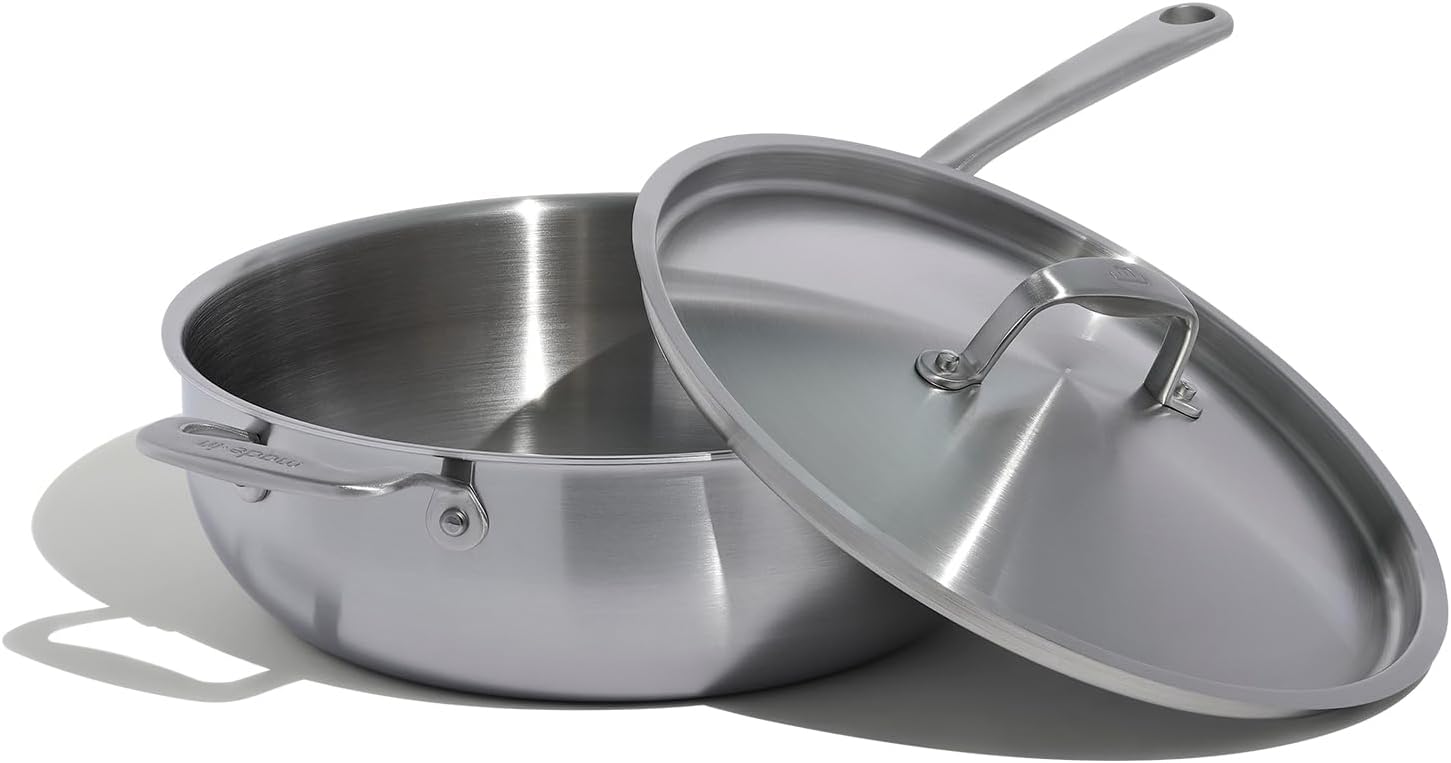
Best Made In Saute Pan Choices for Your Kitchen
Finding the right cookware involves balancing heat distribution, physical dimensions, and everyday maintenance requirements in a busy kitchen environment. Multi-ply stainless steel construction provides reliable temperature control across various stovetops, including induction surfaces, making it a dependable choice for home cooks and culinary professionals alike who demand consistent performance during daily meal preparation tasks.
When exploring these options, understanding specific capacities, handle designs, and cleaning needs ensures you select a vessel that accurately fits your cooking habits and available storage space. Examining these multi-layered pans helps clarify which model suits your specific daily routines without relying on unverified claims or exaggerated performance guarantees.
As an Amazon Associate, StacyLaughs earns from qualifying purchases.
Buying guide
Understanding Construction Layers
Multi-ply cookware features bonded layers of metal designed to combine the thermal conductivity of inner aluminum cores with the durability of outer stainless steel sheets. A five-ply stainless clad build ensures that heat spreads evenly across the entire base rather than concentrating solely directly over the burner flame. This multi-layered approach helps prevent hot spots during daily cooking routines.
When evaluating these pans, checking the layer count clarifies how well the vessel will respond to sudden temperature adjustments on the stove. Thicker multi-clad walls retain thermal energy efficiently, which benefits rigorous searing and long simmering tasks. Understanding this core structure allows you to select cookware that meets your specific everyday needs without relying on unverified performance claims.
Choosing the Right Capacity
Selecting an appropriate pan capacity depends heavily on your typical household meal sizes and the specific types of recipes you prepare most frequently throughout the week. Smaller 3-quart and 3.5-quart vessels handle standard side dishes, single-batch sauces, and moderate meal portions efficiently without overcrowding the cooking base during high-heat searing or simmering tasks.
Larger 5-quart and 6-quart options easily accommodate family-style meals, hearty stews, and broad braises that require ample vertical and horizontal room for liquid and solid ingredients alike. Matching the internal volume to your regular cooking habits prevents accidental liquid overflow while ensuring that ingredients cook uniformly throughout the entire preparation process without requiring separate batches.
Stovetop Compatibility Factors
Modern kitchens feature diverse heat sources, making stovetop compatibility a vital purchasing criterion for any new cookware investment you plan to make for your home. Stainless steel pans equipped with a dedicated induction-compatible outer metal layer work seamlessly across smooth surface induction cooktops, traditional gas burners, and electric radiant ranges alike without requiring adapters.
Verifying that your chosen pan matches your specific stove setup prevents frustrating performance gaps during everyday meal preparation tasks. Induction readiness ensures rapid magnetic energy transfer, while traditional electric and gas ranges benefit equally from multi-ply bases that distribute heat uniformly across varying burner diameters and diverse heating configurations in the kitchen.
Handle Design and Ergonomics
Handle design significantly influences how comfortably you can maneuver, lift, and tilt a pan filled with food during active cooking sessions on the stove. Long stainless steel handles riveted securely to the body offer excellent leverage, while specialized stay-cool engineering helps keep the grip temperature manageable during extended stovetop use.
Alternatively, dual side handles provide balanced control for wider pots and heavier vessels, making it much easier to transfer them safely between burners or directly into the oven. Assessing whether you prefer a traditional extended handle or dual loop grips ensures your physical comfort and safety during heavy kitchen cooking tasks every single day.
Maintenance and Cleaning Needs
Cookware maintenance requirements vary by specific model and can impact your daily cleanup routine significantly after preparing complex meals for family and friends. Some stainless steel pans are explicitly rated as dishwasher safe, allowing for convenient automated cleaning, while others require careful manual hand washing to preserve their exterior finishes and specialized handle attachments over time.
Reviewing manufacturer care instructions before purchasing helps you align your personal cleaning preferences with the physical traits of the cookware vessel. Choosing a model that perfectly fits your willingness to hand wash or use a machine ensures long-term satisfaction without introducing unexpected maintenance burdens into your busy daily kitchen schedule or routine.
Storage Space Considerations
Physical dimensions, handle lengths, and overall pot diameters dictate how much storage space you will need inside your kitchen cabinets or pantries. Pans featuring long extended handles require deeper shelving clearance, whereas wider models demand broader shelf surfaces to comfortably accommodate their total diameter without crowding other cooking items, pans, or baking sheets.
Measuring your available storage space before selecting a specific cookware piece prevents unnecessary clutter and ensures everything fits neatly out of sight when not in use. Balancing pan size with your specific kitchen layout guarantees easy access whenever you prepare meals, keeping your countertops clear and your workspace well organized throughout the entire week.
Frequently asked questions
Can these stainless steel pans be used on induction cooktops?
Yes, all of the featured stainless steel cookware models are fully compatible with induction cooktops. They feature a specialized outer layer of 430 stainless steel designed to interact seamlessly with smooth surface induction ranges. This magnetic top layer allows the pans to transfer heat rapidly and efficiently without requiring any special adapters. Whether you choose a saute pan, saucier, or rondeau pot from this selection, you can rely on consistent stovetop performance across induction, gas, and electric heating elements alike.
What is the benefit of a multi-ply stainless clad construction?
A multi-ply stainless clad construction bonds multiple layers of premium metal together to optimize thermal performance. Typically combining inner aluminum layers for fast heat conduction with outer stainless steel sheets for durability, this design ensures heat spreads evenly across the entire base of the pan. By eliminating localized hot spots, multi-ply cookware helps prevent food from burning in specific areas and provides precise temperature control whether you are searing, simmering, or braising various dishes.
Do the handles stay cool during stovetop cooking?
The featured cookware options incorporate meticulously crafted stainless steel handles designed to stay cool while you cook on the stovetop. Fastened securely with heavy-duty stainless steel rivets for long-lasting durability, these handles help you maintain a firm grip when maneuvering the pan during active food preparation. However, if the pan is placed inside a hot oven for baking or roasting, the handle will absorb ambient heat and require proper protective oven mitts during removal.
How should I clean and maintain my stainless steel cookware?
Cleaning requirements depend entirely on the specific product specifications provided by the manufacturer. Certain models are explicitly rated as dishwasher safe, allowing for convenient automated cleaning after meals. Other pans require manual hand washing to preserve their exterior finishes and specialized handles over time. Always review the product care instructions for your chosen vessel to determine whether machine washing is permitted or if hand washing is recommended to maintain the cookware's condition.
What is the difference between a saute pan and a saucier?
A saute pan typically features wide, flat cooking surfaces and straight vertical sides, making it ideal for searing meats, shallow frying, and reducing pan sauces. In contrast, a saucier incorporates rounded interior walls and a curved bottom designed specifically for effortless whisking and stirring. While both options utilize multi-ply stainless clad construction for even heat distribution, the saucier shape prevents ingredients from getting trapped in sharp corners, benefiting delicate gravies, risottos, and stirred sauces.