Appliances · Buying Guide
Best Made In Stock Pot Options for Home Cooking
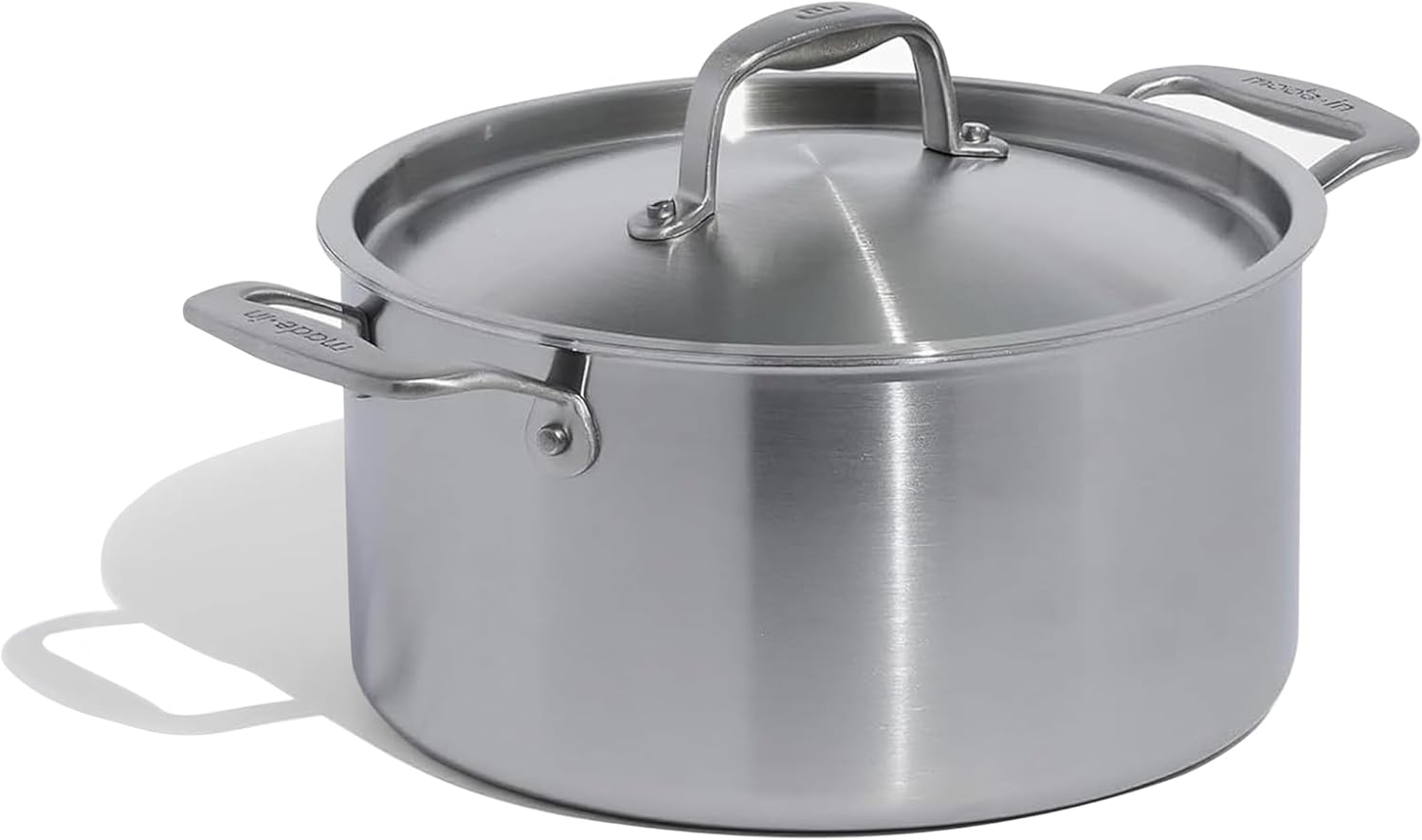
Selecting a proper pot for making stocks and simmering soups requires looking closely at material layers, capacity, and stovetop compatibility. Multi-clad stainless steel constructions offer reliable heat conduction, allowing home cooks to maintain steady temperatures during long simmering tasks. Whether preparing large batches of broth or everyday family meals, matching the pot capacity to your kitchen routine makes all the difference.
Options range from compact four-quart soup vessels to spacious eight-quart Italian-crafted models and American-made alternatives. Each option brings specific construction features, such as brushed finishes, ceramic non-stick coatings, or fully bonded tri-ply metals. Understanding these design differences helps you choose cookware that fits your storage space and handles your favorite recipes efficiently.
As an Amazon Associate, StacyLaughs earns from qualifying purchases.
Buying guide
Choosing the Right Capacity for Your Kitchen
Determining the correct pot capacity is essential for matching your daily cooking habits and family size. Smaller four-quart options work exceptionally well for single-serving broths, quick side dishes, and restricted cabinet storage spaces. Six-quart models bridge the gap for medium family meals, allowing you to simmer moderate soup batches without awkwardly crowding adjacent burners on your stovetop.
Larger eight-quart stock pots provide the generous volume needed for boiling whole chickens, making massive batches of bone broth, or cooking pasta for a crowd. Carefully consider how many people you typically cook for, your refrigerator storage capabilities, and your available cabinet height before selecting a specific size to ensure proper fit.
Evaluating Multi-Ply Construction and Heat Distribution
Multi-ply metal construction defines how efficiently cookware conducts heat from your burner up the pot sidewalls. Options featuring lightweight aluminum or sturdy steel cores sandwiched between stainless steel layers offer superior thermal responsiveness and even heat distribution. This multi-layer design eliminates dangerous hot spots that can easily scorch delicate broths or simmered sauces during extended cooking periods.
Understanding these bonded layers helps you choose vessels that react quickly to temperature adjustments on both gas and electric ranges. Whether you select a three-ply or five-ply design, the overall metal thickness directly affects how well the pot retains warmth once removed from the active heat source.
Understanding Stovetop and Induction Compatibility
Modern kitchens feature diverse stovetop technologies, making cross-compatibility an essential purchasing factor. Stock pots built with a specialized magnetic exterior layer, such as 430 stainless steel, function seamlessly on modern induction cooktops alongside traditional gas and electric radiant ranges. This universal compatibility ensures your cookware investment remains genuinely useful if you decide to upgrade your kitchen appliances later.
Always verify that the flat bottom base of the pot makes proper, direct contact with your specific burner type. Induction cooktops rely on magnetic connection, so checking the base material guarantees rapid energy transfer and efficient cooking performance without wasted electricity, buzzing sounds, or uneven heating zones across the cooking surface.
Interior Surface Options: Stainless Steel Versus Ceramic Non-Stick
Choosing between a traditional stainless steel interior and a modern ceramic non-stick coating depends heavily on your preferred cooking and cleaning routines. Bare stainless steel provides an exceptionally durable surface that safely handles metal utensils and creates excellent fond for sauces. It requires manual washing and occasional maintenance to keep the metal polished and stain-free over years of heavy use.
Ceramic non-stick interiors offer effortless food release and simplified cleanup, making them attractive for delicate recipes that tend to cling. However, these specialized coatings demand gentle washing habits and non-metal utensils to protect the non-stick layer from premature wear and minor surface scratches during busy everyday kitchen tasks.
Handle Design and Pouring Edge Practicality
Handle construction directly influences how safely you can lift, transport, and pour from a heavy stock pot filled with hot liquid. Generously sized, double-riveted handles provide a secure, confident grip, especially when you are wearing thick kitchen oven mitts. Look for ergonomic handle designs that distribute the vessel weight comfortably across your hands during busy food preparation tasks.
Additionally, flared rims integrated directly into the pot edge prevent messy drips down the side of the vessel when transferring hot liquids into bowls or storage containers. A well-designed pouring edge keeps your stovetop, counters, and cabinets much cleaner during everyday meal preparation and serving sessions.
Oven Safety Limits and Maintenance Guidelines
Many high-end stock pots feature impressive oven-safe temperature ratings, allowing you to transition seamlessly from stovetop searing or simmering directly into a hot oven for extended braising. Checking these temperature limits ensures you do not accidentally damage handles or lids when using elevated oven and broiler settings. Always follow manufacturer guidelines regarding maximum heat thresholds.
Proper maintenance practices, such as hand washing stainless steel or ceramic cookware, preserve the long-term lifespan of your kitchen investment. Avoiding harsh abrasive metal scrubbers protects exterior brushed or polished finishes from dulling prematurely over time, keeping your cookware looking professional through years of reliable daily service.
Frequently asked questions
What is the main advantage of a multi-ply stainless steel stock pot?
Multi-ply stainless steel stock pots offer exceptional heat distribution and temperature control. By bonding layers of conductive metals like aluminum between durable stainless steel sheets, these pots eliminate hot spots that can burn food during long simmering sessions. The stainless exterior provides a durable, non-reactive cooking surface that resists corrosion and works seamlessly across various stovetops, including modern induction ranges. This construction ensures that heat transfers evenly up the sidewalls of the vessel, making it ideal for preparing broths, soups, and large batches of pasta reliably.
Can these stainless steel and ceramic stock pots be used on induction cooktops?
Yes, all the stock pots featured in this guide are fully compatible with induction cooktops. They incorporate specialized magnetic outer layers, such as 430 stainless steel, which allow them to interface correctly with induction magnetic fields. This universal stovetop compatibility means you can use the same pot on gas, electric radiant, and induction burners without experiencing performance issues. Checking for a flat, magnetic base ensures rapid energy transfer and efficient heating performance regardless of the specific cooktop technology installed in your kitchen.
How should I clean and maintain my stainless steel or ceramic stock pot?
Most professional-grade stock pots require hand washing to preserve their exterior finishes and bonded metal integrity over time. Avoid using harsh abrasive metal pads or harsh chemical cleaners that can scratch polished or brushed surfaces. For ceramic non-stick coatings, use soft sponges and mild dish soap along with non-metal utensils to prevent premature wear. Following manufacturer cleaning recommendations prevents cosmetic dulling and maintains optimal cooking performance, ensuring your cookware remains in top condition for everyday family meal preparation.
What is the difference between an eight-quart stock pot and a smaller soup pot?
The primary difference lies in overall capacity, depth, and intended culinary applications. An eight-quart stock pot provides generous volume for boiling whole chickens, making massive batches of bone broth, or cooking large quantities of pasta for guests. In contrast, smaller four-quart or six-quart soup pots offer a more compact footprint that is easier to manage on crowded stovetops and takes up less cabinet storage space. Selecting between them depends on your typical batch sizes and whether you frequently cook for a large household.
Are these stock pots safe for high-temperature oven use?
Many of these premium stock pots are engineered to withstand high temperatures inside the oven, often supporting limits up to 550 or 600 degrees Fahrenheit. This high-temperature tolerance allows home cooks to transition a pot seamlessly from stovetop searing to oven braising without changing vessels. However, you should always verify the exact manufacturer specifications for your specific model, as handle materials, lid constructions, or non-stick ceramic coatings can impose lower heat thresholds during extended baking or broiling tasks.