Appliances · Buying Guide
Best Magnetic Stainless Steel Cookware Options for Modern Kitchens
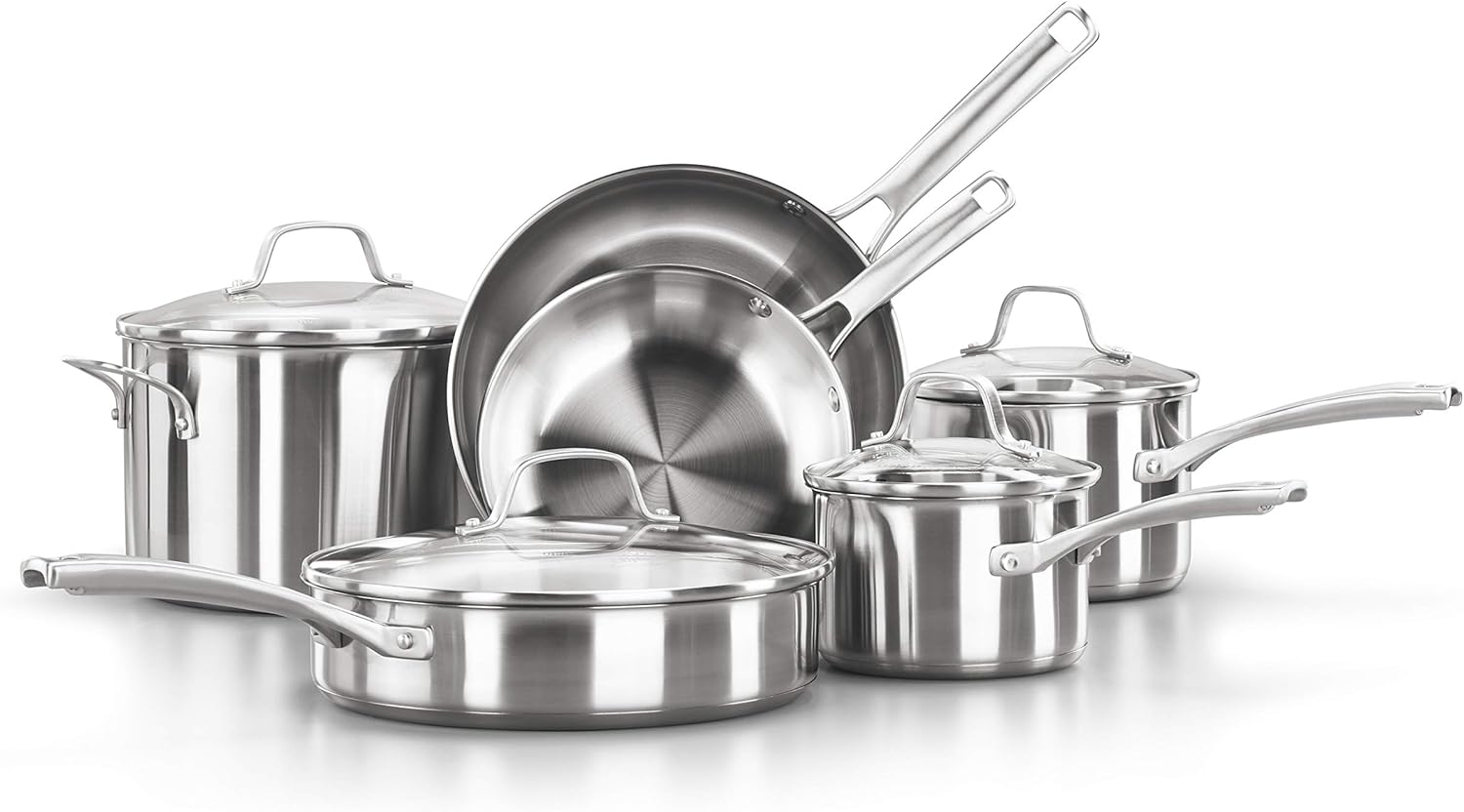
Selecting the right magnetic stainless steel cookware transforms how you manage daily meal preparation, handling everything from gentle sauce simmering to high-heat meat searing. These multi-piece collections combine durable metal construction with compatible exterior bases designed to function seamlessly across traditional gas and electric burners, as well as modern induction cooktops. Evaluating how these materials perform under heat helps streamline your everyday culinary tasks.
Understanding how different layer configurations, lid types, and handle designs affect your cooking routine helps narrow down ideal choices. Whether you need compact storage solutions with removable handles or comprehensive collections equipped with large stockpots for large family meals, evaluating core materials and component counts ensures a practical, long-lasting addition to your kitchen setup without unnecessary guesswork.
As an Amazon Associate, StacyLaughs earns from qualifying purchases.
Buying guide
Core Construction Materials
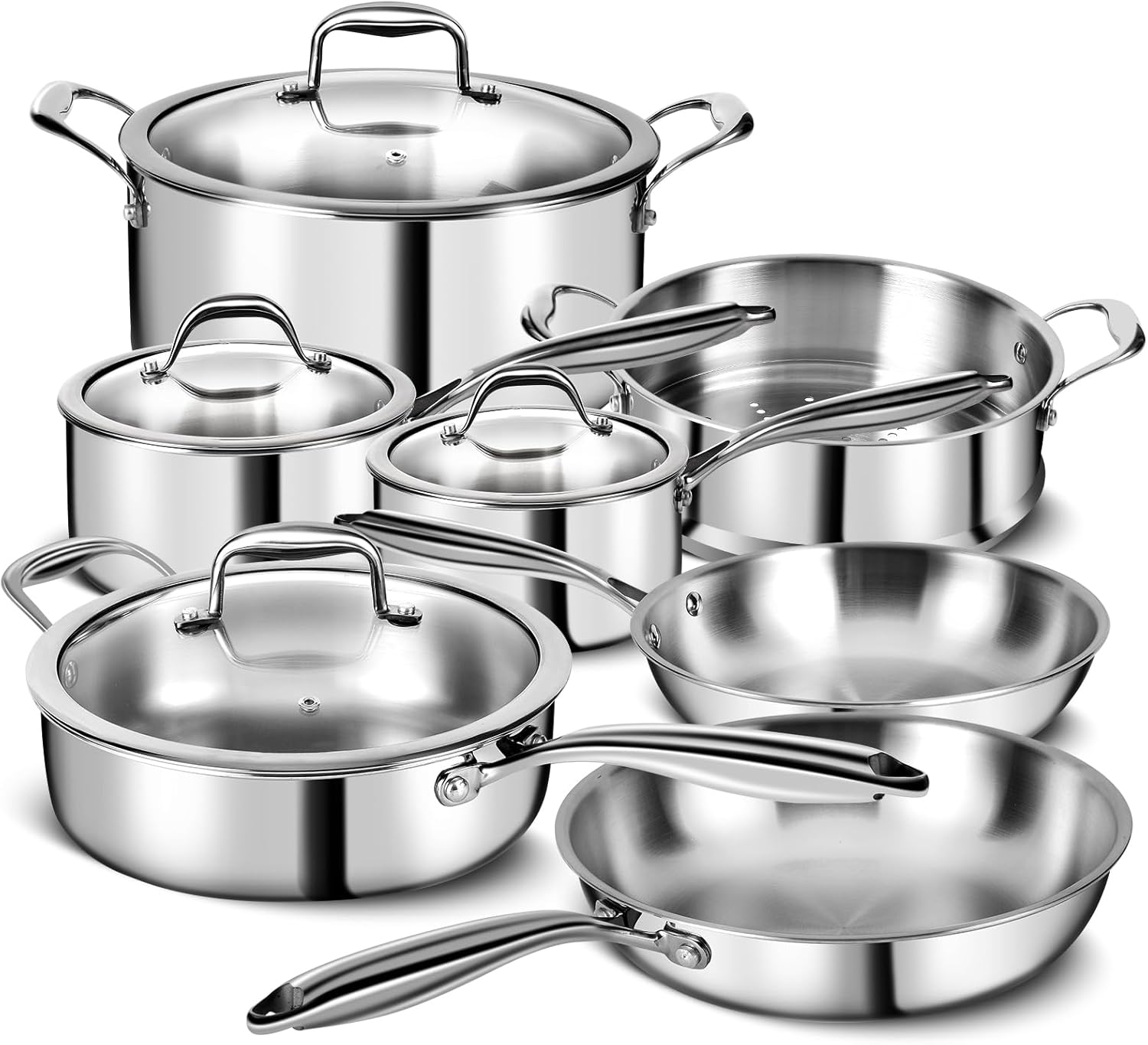
Understanding how stainless steel cookware is built determines its overall heat responsiveness. Full tri-ply models bond aluminum across the entire base and sidewalls, while encapsulated bases concentrate the conductive metal solely on the bottom surface.
Choosing between these designs affects how evenly your food cooks across different burners. Full-body clad options prevent localized hot spots during delicate simmering tasks, whereas encapsulated bottoms provide rapid heating for boiling water or searing meats efficiently. Evaluating your primary cooking habits helps identify which structural layout matches your daily kitchen routines and performance expectations.
Stovetop and Induction Compatibility
Magnetic stainless steel cookware relies on outer layers containing ferromagnetic metals like specific stainless grades to interact correctly with modern induction burners. Verifying cooktop compatibility ensures your pots and pans heat efficiently without energy loss or connection failures.
Traditional gas and electric coil cooktops accept almost any metal base, but induction surfaces demand precise magnetic attraction to complete the circuit. Checking the outer base specification prevents compatibility issues before purchasing a new set, ensuring seamless operation across smooth glass-ceramic tops and open flame ranges alike.
Handle Design and Ergonomics
Comfortable handles significantly influence how safely you maneuver heavy pots filled with boiling liquids or dense ingredients. Riveted stainless steel designs offer permanent structural attachment, maintaining stability over years of frequent use.
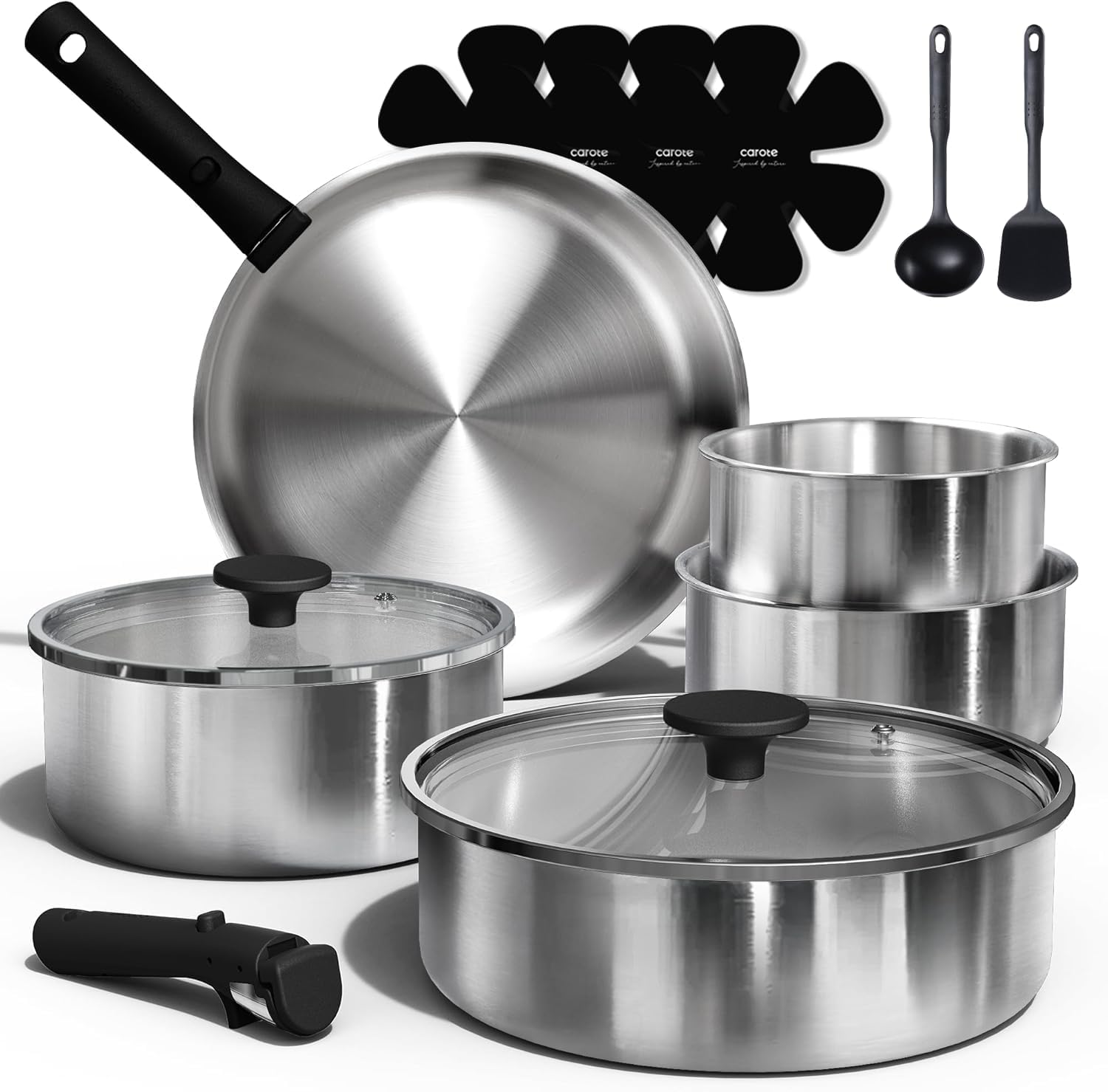
Look for features like ergonomic contours or heat-isolation properties that keep handles cooler during standard stovetop sessions. Removable handle systems provide alternative space-saving benefits for compact cabinets, though they introduce mechanical latching steps during active cooking. Balancing grip comfort against storage needs ensures you select cookware that feels secure and natural in your hands.
Lid Materials and Heat Limits
Lids play an essential role in trapping moisture, regulating internal pressure, and accelerating cooking times for soups, stews, and braised dishes. Tempered glass covers allow you to observe food progress without lifting the barrier.
Solid metal lids typically withstand higher oven temperatures than glass counterparts, which often feature specific thermal thresholds around four hundred fifty degrees. Reviewing maximum oven ratings prevents accidental damage when moving a covered casserole dish directly from a hot burner into an enclosed baking environment. Matching lid durability to your preferred cooking techniques maintains safety and functionality over time.
Set Composition and Piece Count
Cookware sets range from compact multi-piece collections to extensive assortments containing specialized frying pans, saucepans, stockpots, and steamer inserts. Assessing your household meal size helps determine the appropriate number of components.
Smaller households often thrive with basic fry pans and mid-sized saucepans, while larger families benefit from high-capacity stockpots and multi-tier steaming attachments. Consider your typical recipes and available storage space before committing to a large piece count, ensuring every included pot and pan serves a genuine purpose in your daily culinary workflow.
Cleaning and Maintenance Practices
Maintaining stainless steel cookware involves understanding how polished or brushed surfaces respond to everyday food residues and cleaning tools. Many sets offer dishwasher-safe convenience, reducing post-meal cleanup efforts significantly.
Stubborn food residue often releases easily through simple deglazing techniques or warm soapy water soaking, preserving the exterior mirror or brushed finish without harsh abrasives. Following manufacturer guidelines regarding cleaning products and cooling periods helps prevent thermal shock and preserves the longevity of your cookware investment over years of regular use.
Frequently asked questions
Is magnetic stainless steel cookware compatible with induction cooktops?
Yes, magnetic stainless steel cookware is fully compatible with induction cooktops because its outer layer contains ferromagnetic metal, usually specific stainless steel grades. Induction burners rely on a magnetic field to generate direct heat within the pan itself rather than heating the surrounding glass surface. When purchasing cookware for an induction range, checking for a magnetic base specification guarantees that the pots and pans will activate the burner correctly and maintain efficient thermal performance during daily cooking tasks.
What is the difference between encapsulated bases and full tri-ply construction?
Encapsulated bases feature a conductive aluminum disc bonded solely to the bottom of the stainless steel pot, providing fast heating primarily from underneath. Full tri-ply construction extends the aluminum core entirely up the sidewalls between inner and outer stainless steel layers, delivering edge-to-edge heat distribution. While encapsulated bases work well for boiling and basic searing, full tri-ply designs eliminate hot spots across the entire cooking vessel, offering superior temperature control for delicate sauces and complex multi-step recipes.
Can stainless steel cookware go directly from the stovetop into the oven?
Most quality stainless steel cookware can transition directly from the stovetop into the oven, but you must check the specific temperature limits of both the pan body and its lid. Metal pans often withstand high oven temperatures up to five hundred or six hundred degrees Fahrenheit, while tempered glass lids usually feature lower maximum thresholds around four hundred fifty degrees. Always use proper oven mitts and verify manufacturer ratings before transferring cookware into a hot baking environment.
How do I clean and remove stuck-on food from stainless steel pans?
Cleaning stainless steel cookware typically involves washing with hot, sudsy water or placing dishwasher-safe pieces directly into the machine. If food residue or fond sticks to the cooking surface during searing, you can easily release it by deglazing the warm pan with broth or water. Avoiding harsh metallic scouring pads helps preserve the polished or brushed exterior finish. For stubborn spots, soaking the vessel or using non-abrasive cleaning compounds restores the shiny surface without causing damage.
Why do some stainless steel cookware sets feature detachable handles?
Cookware sets with detachable handles are specifically engineered to maximize storage efficiency in kitchens with limited cabinet space. Removing the handles allows pots and pans to nest tightly together like stacking mixing bowls, reducing the required storage footprint by a significant margin. Additionally, click-on handles enable seamless transition from active stovetop burners straight into ovens, serving tables, or refrigerators. Users must ensure the locking mechanism is securely engaged before lifting heavy or liquid-filled vessels.