Appliances · Buying Guide
Best Miniature Cast Iron Skillet Options for Single Portions and Dips
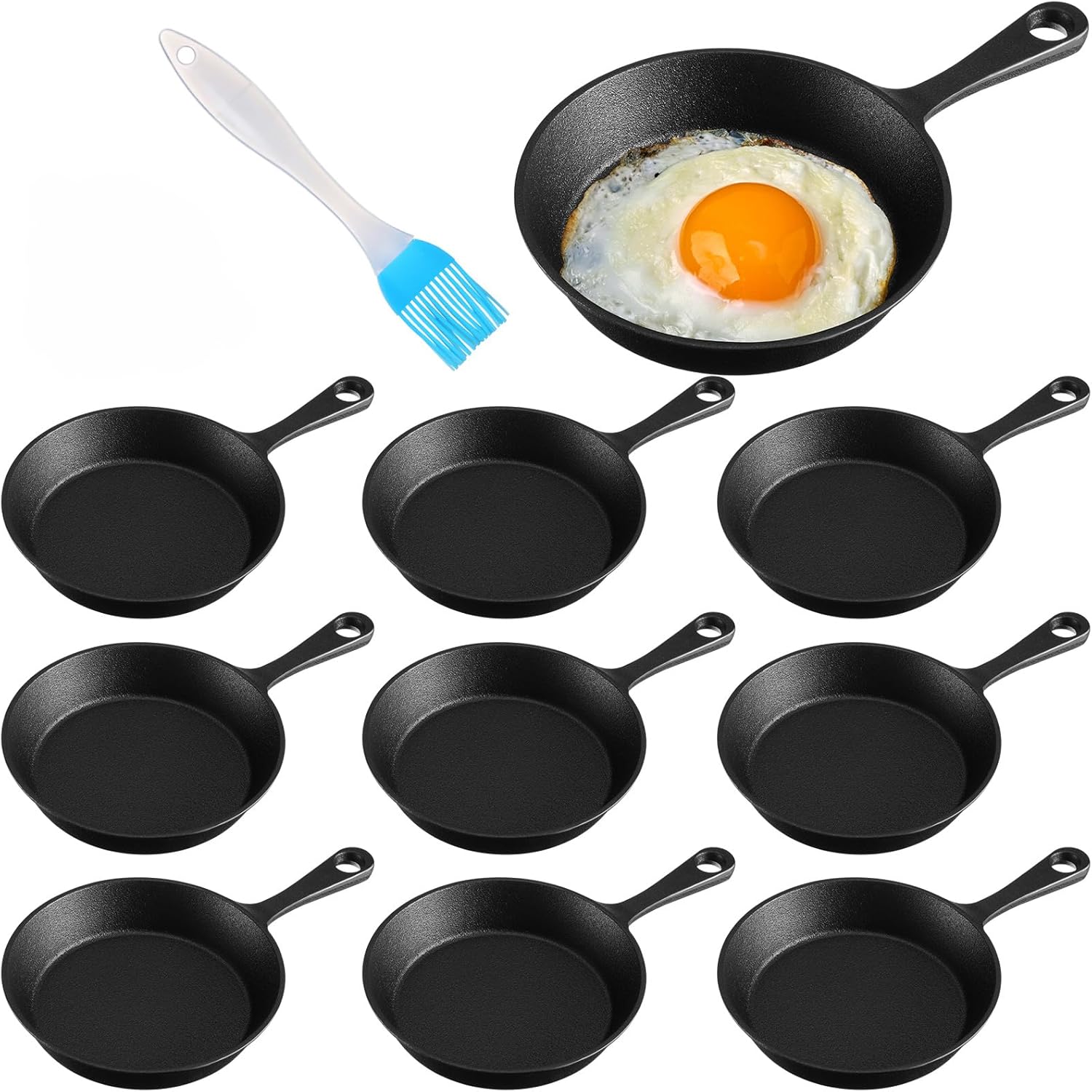
Miniature cast iron skillets bring the heavy-duty durability and exceptional heat retention of traditional cookware into compact sizes ideally suited for individual portions, single-serve eggs, or oven-baked desserts. These small pans transition easily from stovetops to ovens, broilers, or campfires, making them versatile tools for everyday cooking, creative cuisine, and attractive table presentations.
Selecting the right small skillet depends closely on your specific cooking style, whether you require a bulk multi-pack for party appetizers and individual desserts or a slightly larger single pan for everyday side dishes. Exploring the distinct features of each option helps match material finishes, handle designs, and capacities precisely to your personal kitchen routine and heat sources.
As an Amazon Associate, StacyLaughs earns from qualifying purchases.
Buying guide
Choosing the Right Size and Capacity
Selecting miniature cast iron cookware begins with evaluating your intended food portions and serving goals. Four-inch skillets excel at baking individual cookies, single eggs, or tiny dessert portions for guests. Larger options measuring over six inches accommodate slightly bigger single-serve meals or side dishes without overcrowding. Matching capacity to your recipes ensures efficient cooking performance.
Consider whether you are cooking for a crowd using multi-pack sets or preparing a single meal in one medium pan. Smaller three-ounce enamel dishes serve exclusively as sauce or dip warmers rather than primary cooking vessels. Assessing your typical menu items prevents purchasing oversized or undersized pans that fail to meet your daily culinary requirements.
Understanding Material and Coating Differences
Traditional raw cast iron requires seasoning with natural oils to build a non-stick surface naturally over time. These traditional surfaces offer exceptional durability and heat distribution across various stovetops and campfires. However, they demand attentive drying after cleaning to prevent rust formation from compromising the iron body during storage.
Alternatively, enamel-coated miniature skillets provide a pre-sealed barrier that eliminates the need for seasoning and simplifies cleanup tasks. Matte enamel options still deliver strong heat retention for attractive oven-to-table presentations. Weighing traditional seasoning maintenance against enamel convenience helps determine the best material type for your lifestyle.
Evaluating Handle Designs and Portability
Handle configurations dictate how comfortably you can maneuver miniature skillets between cooking zones and dining tables. Single long handles offer familiar leverage during stovetop frying or egg preparation. However, double loop handles distribute weight evenly and simplify lifting hot pans out of confined oven spaces or off crowded grills safely.
Think about your storage space limitations when reviewing handle styles in multi-pack sets. Double loop designs often stack more compactly in kitchen cabinets compared to extended single handles. Choosing the correct handle layout ensures secure control during high-heat transfers and straightforward organization inside your storage areas.
Matching Heat Sources and Cookware Compatibility
Cast iron is naturally compatible with a wide array of cooking appliances, including gas burners, electric coils, and open campfires. Many miniature skillets also perform effectively inside kitchen ovens and under broilers at elevated temperatures. Verifying your specific cooktop type ensures the skillet base sits securely and distributes heat evenly.
Induction cooktops require flat-bottomed iron cookware with magnetic properties to generate proper thermal energy during cooking sessions. Checking device compatibility specifications prevents heating inefficiencies or uneven cooking results across specialized glass-ceramic surfaces. Selecting versatile pans guarantees seamless transitions from stovetop burners directly to oven interiors.
Care Routines and Maintenance Requirements
Proper maintenance preserves the longevity and cooking performance of cast iron skillets over years of frequent use. Most raw cast iron requires hand washing with mild soap and immediate towel drying to eliminate moisture completely. Avoiding soaking pans in water prevents destructive rust from developing on unprotected iron surfaces.
Applying a thin layer of cooking oil after drying helps maintain seasoned non-stick coatings and protects the metal during storage. Enamel-coated alternatives bypass oil conditioning steps but still require gentle hand cleaning to protect exterior finishes. Understanding these upkeep commitments ensures your cookware remains in optimal condition.
Single Pans Versus Multi-Pack Sets
Purchasing decisions often hinge on whether you need a single versatile skillet or a multi-pack set for entertaining. Multi-pack bundles containing four to ten miniature pans suit simultaneous appetizer prep, individual dessert baking, and family-style side dishes. They offer cost-effective scaling when you want to serve multiple guests identical portions.
Conversely, a single larger skillet provides greater flexibility for cooking varied meal portions without requiring extensive storage space. Balancing your serving frequency and available cabinet storage helps determine whether a bulk set or an individual pan best serves your culinary goals.
Frequently asked questions
Can I put miniature cast iron skillets in the dishwasher?
No, miniature cast iron skillets are generally not dishwasher safe. Dishwasher cycles expose raw iron and seasoned surfaces to harsh detergents and prolonged moisture, which rapidly strips protective oils and causes severe rusting. Manufacturers explicitly recommend hand washing with warm water and mild soap. After washing, you must dry the pan immediately with a towel and apply a very thin coat of cooking oil to preserve the seasoned finish and protect the metal from oxidation during storage.
How do I season a raw miniature cast iron skillet before first use?
Preparing a raw cast iron skillet typically involves washing the pan with warm soapy water to remove manufacturing residues. Some pre-seasoned options require boiling water inside the pan briefly to clear out impurities. After thoroughly drying the surface, you apply an even layer of edible vegetable oil across the interior and exterior walls. Wipe away excess oil with a paper towel, then heat the pan or bake it upside down in an oven for a designated period to bond the oil securely.
What types of heat sources are compatible with these small skillets?
Most miniature cast iron skillets offer exceptional versatility across a wide variety of cooking appliances. They function effectively on traditional gas burners, electric coil cooktops, and smooth surface induction ranges depending on the specific model specifications. Furthermore, many cast iron pans transition seamlessly into kitchen ovens, under broilers, or onto outdoor grills and campfires. Always verify flat-bottom contact when using induction surfaces to ensure proper heat transfer and stable cooking performance during meal preparation.
Why do some mini skillets feature double drip spouts or loop handles?
Double drip spouts are incorporated into specific miniature skillet designs to facilitate smooth pouring of excess oils, melted butter, sauces, or water without spilling down the exterior walls. Meanwhile, double loop handles replace traditional long single handles to provide balanced, secure lifting control when transferring heavy hot pans. Loop handles also reduce overall storage length, allowing multiple small pans to stack or fit more compactly inside crowded kitchen cabinets and oven interiors safely.
What is the difference between raw cast iron and enamel-coated mini skillets?
Raw cast iron skillets feature a porous metal surface that requires seasoning with natural oils to develop a non-stick cooking layer organically over time. This traditional material offers rugged durability and excellent heat retention but demands diligent drying and oiling maintenance to prevent rust. In contrast, enamel-coated mini skillets come with a sealed glassy finish that eliminates the need for initial seasoning and simplifies cleanup tasks while providing vibrant oven-to-table presentation options without oxidation risks.