Appliances · Buying Guide
Best Moroccan Cooking Pot Tagine Options for Tender Slow-Simmered Meals
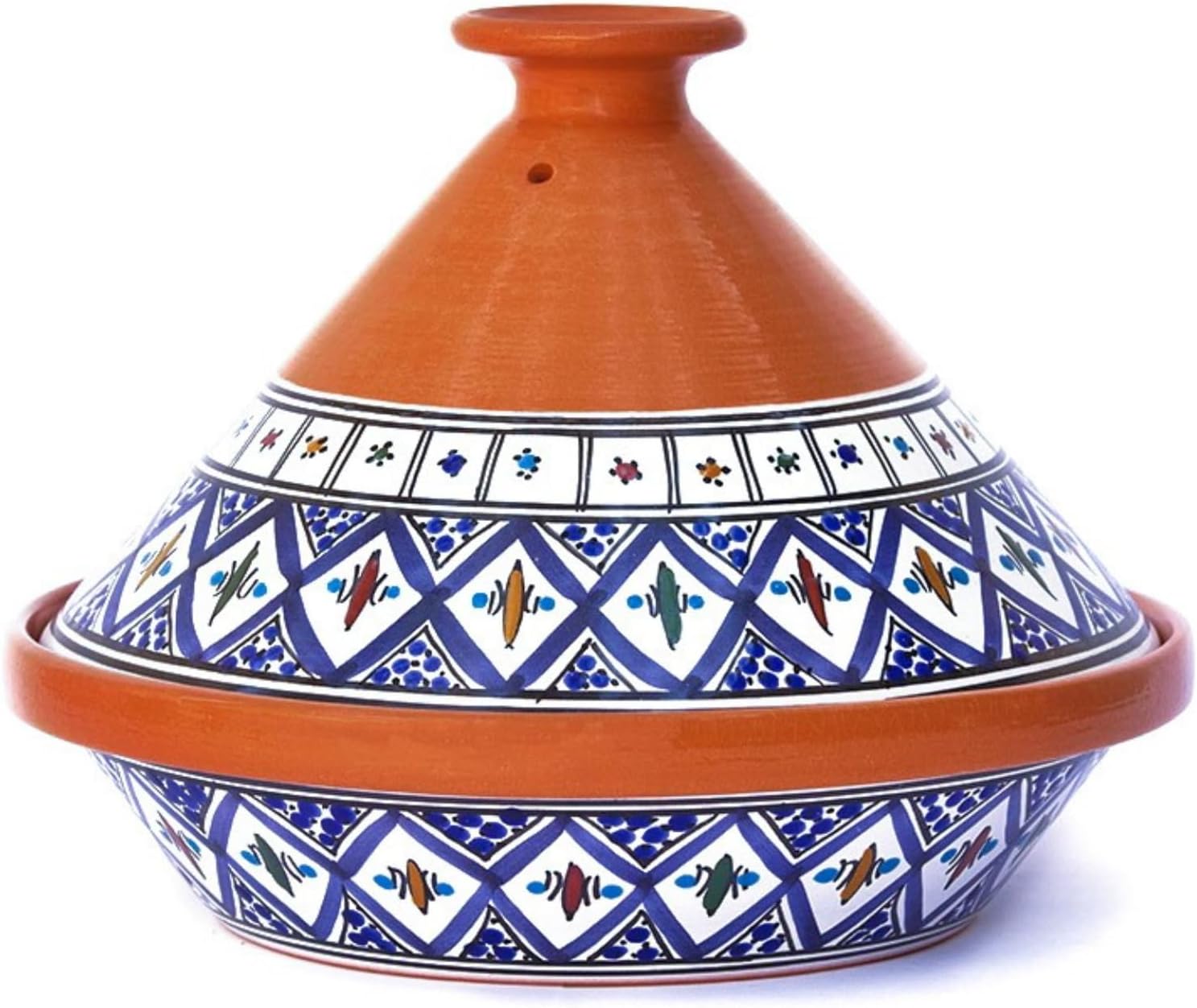
Bringing authentic slow-cooked flavors to a home kitchen often requires specialized cookware designed to manage moisture and heat distribution effectively during long cooking sessions. A traditional moroccan cooking pot tagine utilizes a distinctive conical lid shape that circulates steam, continuously bastes ingredients, and locks in rich aromas without requiring excessive added liquids or fats for savory meals.
Modern adaptations combine classic design principles with durable materials like enameled cast iron and flame ceramic, expanding compatibility across gas, electric, and oven heat sources. Selecting the right model involves balancing capacity, material composition, and stovetop versatility to match your specific culinary preferences and everyday cooking routines, ensuring reliable performance across diverse recipes.
As an Amazon Associate, StacyLaughs earns from qualifying purchases.
Buying guide
Material Composition and Heat Retention
Selecting the ideal moroccan cooking pot tagine starts with understanding how different core materials influence cooking performance, thermal stability, and overall heat retention during extended simmering sessions. Enameled cast iron bases offer exceptional thermal mass, absorbing heat steadily from the burner and distributing it evenly across the entire cooking surface for perfectly tender meats and vegetables in your recipes.
On the other hand, traditional ceramic and clay alternatives provide a specialized cooking environment, encouraging gentle heat transfer that naturally prevents scorching while preserving delicate spice flavors. Evaluating your preferred stovetop type and daily cooking style helps determine whether a robust metal-hybrid pot or an authentic all-ceramic vessel best suits your kitchen routine and long-term culinary goals.
Conical Lid Design and Steam Circulation
The defining characteristic of any quality tagine is its distinctive conical lid, engineered specifically to manage internal moisture without requiring large quantities of added cooking water. As liquid heats inside the base, steam rises into the narrow upper cone where it cools, condenses, and drips continuously back down onto the cooking ingredients below.
This continuous self-basting cycle keeps lean cuts of meat and dense root vegetables remarkably soft and flavorful throughout long braising sessions. When shopping, examine whether the lid features a completely sealed top or a knob design, as this structural variation directly impacts how tightly moisture and rich aromas are trapped during your daily meal preparation process.
Stovetop and Oven Heat Source Compatibility
Modern kitchen setups vary widely, making heat source compatibility a crucial factor when choosing your cooking vessel for daily meal preparation and diverse recipe testing at home. While traditional unglazed clay pots often require specific thermal precautions, enameled cast iron and flame ceramic options typically offer broad versatility across gas, electric, halogen, and high-temperature oven environments for home cooks.
If you cook primarily on a modern induction cooktop, verify whether the selected tagine features an induction-compatible metal base or requires an intermediary disk accessory to function properly without heating failures. Checking these technical specifications beforehand prevents frustrating compatibility issues and ensures seamless cooking execution across your available kitchen appliances, stovetops, and burners every single day.
Capacity and Serving Size Considerations
Matching pot capacity to your household size ensures you can prepare adequate portions without overcrowding ingredients or dealing with an unnecessarily oversized vessel on the burner. Most standard tagines offer capacities between three and three point five quarts, comfortably serving four to five people for standard family dinners and casual weekend gatherings at home.
Selecting a slightly larger size accommodates bigger gatherings and weekly meal prepping routines, though it also increases the physical weight and storage footprint of the cookware in your kitchen cabinets. Assess your typical dining group size carefully to find the right balance between cooking volume and kitchen cabinet storage ease for everyday convenience and meal planning.
Maintenance and Cleaning Guidelines
Proper cleaning and maintenance preserve the appearance and longevity of your tagine, ensuring reliable performance across many cooking sessions over the years. Enameled cast iron and certain ceramic models support dishwasher cleaning for everyday convenience, while others require gentle hand washing with mild soap to protect specialized exterior finishes and smooth interior cooking surfaces safely at home.
Reviewing manufacturer care guidelines helps prevent accidental damage, such as chipping enamel coatings or thermal shock cracking in delicate ceramic bodies during cleanup routines. Following recommended maintenance steps keeps your cookware in top condition while maintaining its dual functionality as both a practical cooking pot and a decorative dining table centerpiece for guests always and everywhere.
Stove-to-Table Presentation and Aesthetics
One of the most appealing aspects of using a tagine is its ability to transition seamlessly from the stovetop or oven directly to the dining table for convenient serving. The striking conical lids and vibrant color gradients transform the cooking vessel into an eye-catching centerpiece that keeps food warm during long family meals and casual weekend gatherings.
Choosing an aesthetic finish that matches your dining decor enhances the visual presentation of homemade stews, soups, and braises, impressing family and dinner guests alike. This dual role eliminates extra serving dishes, simplifying your post-meal cleanup while celebrating traditional culinary presentation styles in a modern home kitchen setting every single day of the week.
Frequently asked questions
Do moroccan cooking pot tagine models require seasoning before first use?
Seasoning requirements vary entirely depending on the specific materials used in your chosen tagine model. Enameled cast iron bases and glazed ceramic or clay tagines generally do not require any preliminary seasoning before you start cooking, allowing you to wash them and begin preparing meals immediately. However, traditional unglazed clay vessels may require soaking or seasoning steps as recommended by the maker. Always check the manufacturer instructions included with your specific product to ensure proper initial preparation and to protect the cooking surface from damage.
Can I use a ceramic tagine on an induction stovetop?
Compatibility with induction cooktops depends directly on the base construction of the tagine pot. Models featuring an enameled cast iron base typically work seamlessly on induction, gas, electric, and oven heat sources. Pure ceramic or traditional clay tagines generally lack the magnetic properties required for induction hobs unless you use a specialized induction disk accessory. It is essential to verify the manufacturer compatibility specifications before purchasing if you plan to cook primarily on an induction cooktop in your kitchen.
How does the conical lid help cook food more tenderly?
The conical lid is specifically engineered to improve moisture circulation during long, slow simmering processes. As liquid heats inside the base, steam rises into the narrow upper cone where it cools down and condenses into droplets. These droplets continuously drip back down onto the meats and vegetables, functioning as a natural self-basting system. This continuous cycle keeps ingredients moist and tender without requiring you to add excessive amounts of extra water or cooking oils to the pot.
Are these tagine pots safe to clean in a dishwasher?
Dishwasher safety depends entirely on the material construction specified by the manufacturer for each individual product. Many enameled cast iron and glazed ceramic tagines are rated as dishwasher safe for convenient cleanup after meals. Conversely, traditional handmade clay tagines or specific artisan models often require gentle hand washing with mild soap to preserve their delicate finishes and prevent structural wear. Always consult the specific product care instructions provided by the manufacturer before running any tagine through a dishwasher cycle.
How many servings can a standard 3.3-quart tagine accommodate?
A standard tagine with a capacity of approximately three point three quarts is designed to comfortably accommodate four to five servings per batch. This size makes it well-suited for family dinners, meal prepping, or hosting small gatherings of friends. If you regularly cook for larger groups or larger families, you may want to look for higher-capacity options or plan to prepare meals in multiple batches to ensure everyone receives adequate portions during dining time.