Appliances · Buying Guide
Best My Mini Electric Skillet Options for Quick Single-Serve Cooking
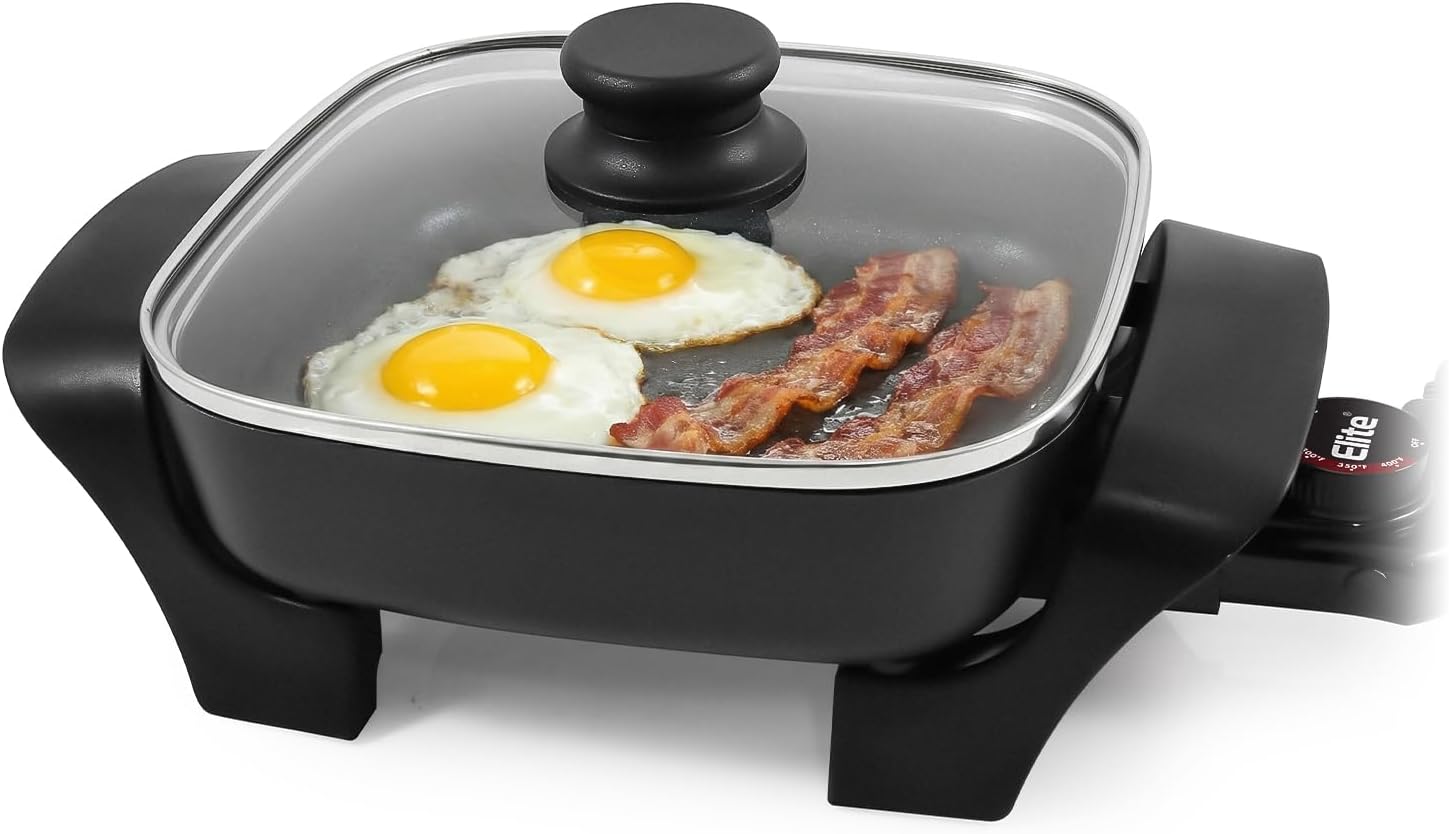
Finding the right compact cooking appliance changes how you manage small spaces, dorm rooms, office break rooms, or RV kitchens. A mini electric skillet offers a streamlined, direct way to fry, sauté, or simmer individual portions without dragging out full-sized pots and pans for basic single-person meals and quick snacks.
These portable frying pans heat up quickly, plug into standard wall outlets, and fit neatly on crowded counters or small tabletops. By reviewing top-tier single-serve options, you can easily select a compact model that matches your daily meal routines, storage limitations, and personal cooking preferences without unnecessary bulk.
As an Amazon Associate, StacyLaughs earns from qualifying purchases.
Buying guide
Sizing and Footprint Considerations
Selecting the correct physical dimensions ensures your mini electric skillet fits comfortably inside your designated cooking area. Small apartments, dorm rooms, and RVs demand appliances that leave room for food prep without overcrowding limited counters. Measure your available space before buying to guarantee a smooth fit.
Footprints range from compact 5-inch surfaces up to spacious 8-inch square pans with deep side walls. Wider models accommodate bulkier ingredients or one-pot meals, while narrower units excel at single-serve portions. Matching the physical footprint to your daily meal volume prevents storage frustration and ensures seamless daily kitchen integration.
Nonstick Coating Material Choices
The interior cooking surface dictates how easily food releases and how simple cleanup becomes after every meal. Traditional nonstick layers and ceramic coatings provide smooth release properties that minimize stuck-on messes. Choosing the right surface material helps maintain efficient cooking routines while reducing excess oil usage.
Ceramic coatings offer PFAS and PFOA-free alternatives for health-conscious users, while multi-layer nonstick surfaces over cast aluminum provide rugged durability. Consider whether you prefer lightweight aluminum or reinforced ceramic variants. Each material impacts how you clean the pan and which utensils you can safely use.
Temperature Control Options
Adjustable temperature dials grant precise command over your cooking environment, letting you transition from a low simmer to a high sear. Models with multiple heat settings or numeric ranges give you greater flexibility when cooking different types of food. Fixed or single-setting models offer streamlined operation.
Removable thermostats allow you to detach the power cord and bring the skillet directly to the table for serving. Evaluate whether you need granular temperature control across five settings or a simple dial. Matching the heat control mechanism to your culinary style prevents overcooking sensitive ingredients.
Lid Types and Visibility
A clear glass lid allows you to monitor cooking progress without lifting the cover and releasing heat. Tempered glass construction withstands high temperatures while maintaining structural integrity. Vented designs help manage steam circulation, ensuring your food retains moisture and flavor during simmering tasks.
Cool-touch knobs on lids prevent accidental burns when checking on your meal. Consider whether a vented or sealed glass lid fits your preferred recipes, such as steaming rice or braising meats. Transparent covers eliminate guesswork, keeping the cooking environment contained and splatter-free.
Portability and Storage Features
Portable kitchen appliances benefit from design elements that simplify movement between locations, such as removable power cords and detachable handles. If you plan to store your skillet in a crowded cabinet or travel with it in an RV, these modular features reduce awkward bulk and protect the connectors.
Lightweight bodies combined with cool-touch handles make transportation safe and straightforward. Look for units that dissemble easily or feature anti-skid feet for stable countertop placement. Prioritizing these physical convenience attributes ensures your mini skillet remains a practical addition to your travel gear.
Power Ratings and Electrical Specs
Wattage ratings determine how fast your mini electric skillet preheats and maintains its cooking temperature. Standard units typically operate between 600 and 900 watts on common household voltage levels. Higher wattage models often deliver faster initial heat response, which is ideal for rapid single-serve cooking tasks.
Always check your power source capabilities, especially when operating appliances in older dorms or recreational vehicles. Matching the electrical specifications of the skillet to your available circuit capacity prevents tripped breakers. Reliable power delivery ensures consistent heating performance across all cooking sessions.
Frequently asked questions
Can I use metal utensils in a mini electric skillet?
Most mini electric skillets feature delicate nonstick or ceramic interior coatings designed to prevent food from sticking during cooking. Using metal utensils can scratch, gouge, or wear away these protective nonstick layers prematurely. Manufacturers typically recommend using wooden, silicone, or heat-resistant plastic utensils to protect the cooking surface integrity. Sticking to non-scratch tools ensures your skillet maintains its easy-release properties and lasts through countless meals, preventing frustrating food adherence issues over time. Proper utensil selection is essential for preserving the lifespan of your coating.
How do I clean a mini electric skillet safely?
Cleaning your mini electric skillet requires following specific manufacturer guidelines, especially regarding electrical components. Always unplug the appliance and allow it to cool completely before attempting maintenance. If your model features a removable temperature probe or detachable power cord, detach it first. Many nonstick pans can be wiped clean with a damp cloth and mild soap. Some models support dishwasher cleaning if specified, but submerging non-detachable electrical bases in water will ruin the internal wiring and void functionality.
Are mini electric skillets suitable for RVs and dorm rooms?
Mini electric skillets excel in tight living spaces like dorm rooms, office break rooms, and recreational vehicles. Their compact physical dimensions and low wattage requirements make them ideal for areas lacking traditional full-sized stovetops. They plug directly into standard wall outlets, letting you prepare quick meals without complex installation. However, you should always verify available counter space and circuit capacity to ensure safe operation. Their portable nature makes them convenient cooking companions wherever you travel.
What kinds of food can I cook in a mini skillet?
These versatile appliances handle a wide variety of meals, ranging from breakfast classics like eggs, pancakes, and bacon to lunch favorites like grilled cheese. Deeper models accommodate one-pot pastas, stir-fries, and simmered meats, while smaller variants work wonderfully for rapid noodles, steamed rice, and single-serve snacks. Adjustable temperature controls let you fry, sauté, or simmer with ease. By adapting recipes to match your specific pan capacity and heating range, you can cook almost any small-portion dish.
Do mini electric skillets require preheating?
Most mini electric skillets benefit from a short preheating phase to ensure the cooking surface reaches an even, optimal temperature before you add ingredients. Indicator lights often signal when the unit has finished preheating and is ready for cooking. Allowing the pan to heat up for a few minutes prevents food from sticking and guarantees consistent searing or frying results. Following proper preheating habits improves overall cooking efficiency across all types of nonstick and ceramic surfaces.