Appliances · Buying Guide
Best National Cast Iron Skillet Options for Everyday Cooking
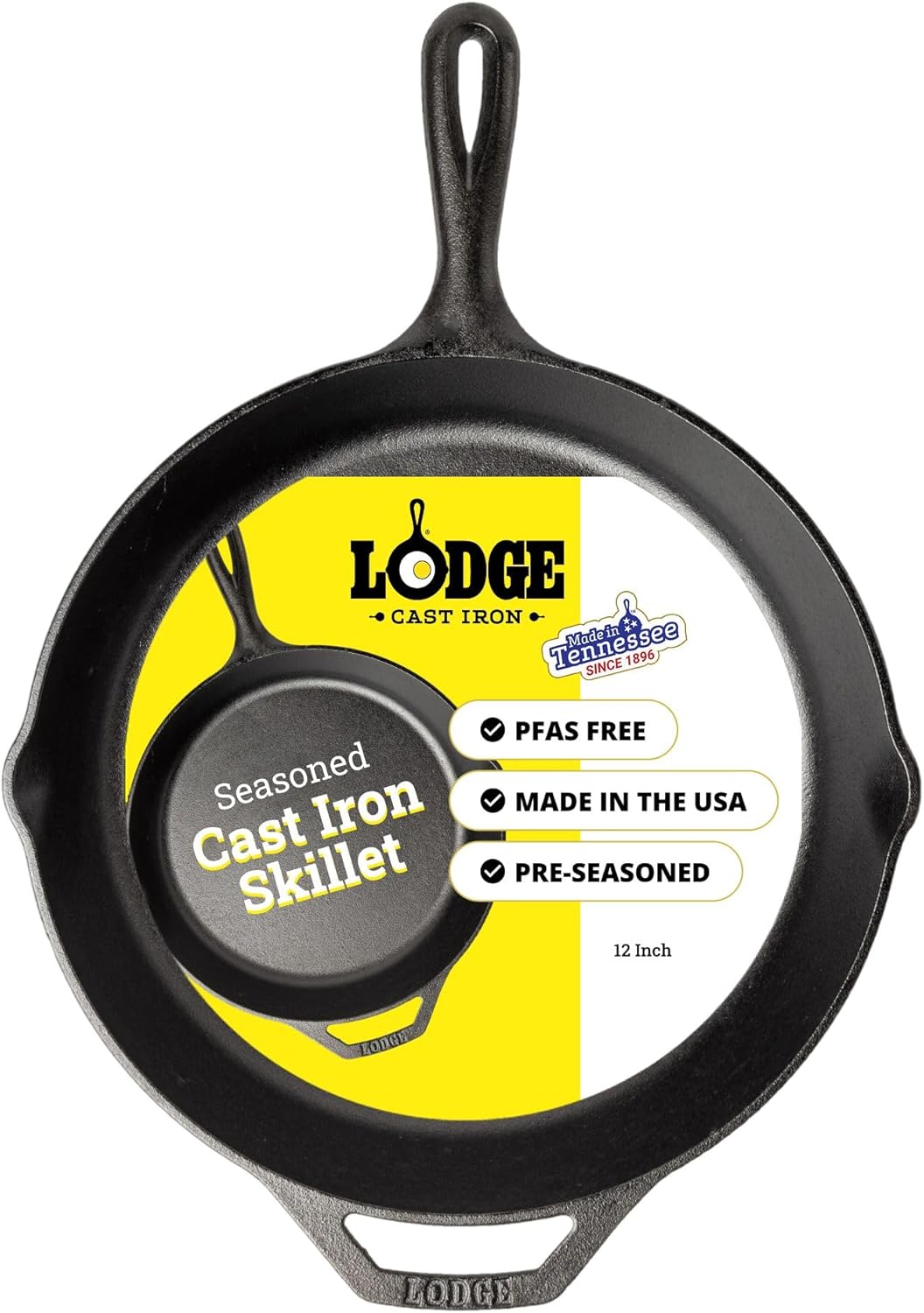
Choosing a reliable national cast iron skillet brings traditional cooking performance directly to your kitchen or campsite. These versatile pans handle high heat and deliver even baking, searing, and frying across multiple heat sources.
Whether you need a compact pan for single servings or an oversized skillet for large batches, exploring the available sizes helps match your specific cooking style and stovetop setup.
As an Amazon Associate, StacyLaughs earns from qualifying purchases.
Buying guide
Selecting the Right Skillet Size for Your Kitchen
Choosing the correct skillet size depends heavily on your household size and typical meal types. Smaller models work well for single portions, while larger pans handle family dinners.
Consider your available storage space and sink dimensions before purchasing an oversized skillet, as heavier models require careful handling during cleanup.
Understanding Stovetop and Oven Compatibility
Different cast iron skillets support various heat sources, including gas, electric coils, and induction cooktops. Always verify compatibility with your specific kitchen range.
Many traditional iron pans withstand high oven temperatures up to five hundred degrees Fahrenheit, enabling seamless transitions from stovetop searing to oven baking.
Evaluating Weight and Handle Design Features
Cast iron cookware is naturally heavy, with weights ranging from under two pounds for mini pans to over thirteen pounds for large batch skillets. Teardrop handles and dual assist grips help manage this weight.
Assess your personal lifting comfort to ensure you can maneuver the chosen skillet safely when filled with food or hot oil.
Seasoning and Non-Stick Performance Factors
Pre-seasoned cast iron arrives ready for use with a natural vegetable oil finish that provides a functional non-stick surface. This seasoning naturally improves with regular cooking and proper maintenance over time.
Avoid harsh chemical detergents and dishwashers to preserve the protective seasoning layer and keep your skillet cooking evenly across every meal.
Cleaning and Maintenance Requirements
Maintaining cast iron requires hand washing with warm water and prompt drying to prevent rust formation. Avoid soaking the pan in water for extended periods.
Applying a very thin layer of oil after cleaning helps protect the seasoned surface and keeps the iron in excellent condition for years of reliable use.
Assessing Capacity and Versatility Needs
Capacity measurements reflect the volume and surface area available for ingredients. Matching capacity to your recipes prevents overcrowding and ensures even cooking results.
Versatile skillets transition from campfires to home ovens, offering dependable performance across diverse cooking environments and culinary applications.
Frequently asked questions
Can I use a metal spatula on these cast iron skillets?
Metal utensils can be used on seasoned cast iron because the durable metal surface resists scratching from standard kitchen tools. However, many cooks prefer wooden or silicone utensils to protect the seasoning layer over time. Because the pan features a tough iron construction, occasional use of metal turners will not compromise the structural integrity of the cooking surface during daily meal preparation.
Are these cast iron skillets safe to use inside an oven?
These skillets are safe for oven use up to five hundred degrees Fahrenheit, allowing you to bake, broil, or finish dishes seamlessly after searing on the stovetop. Always use protective oven mitts when handling hot cast iron because the entire pan absorbs heat during the baking process. Check your specific model specifications to confirm maximum temperature limits before placing the cookware into a hot oven.
How should I clean my cast iron skillet after cooking?
Clean your skillet by hand washing it with warm water, using a stiff brush or sponge for stuck-on food residue. Avoid using automated dishwashers or harsh dish soaps that can strip away the natural seasoning. Immediately dry the pan completely with a towel or low heat on the stovetop, then apply a light coat of cooking oil to protect the iron surface from rust.
Do these skillets work on induction cooktops?
Many models are fully compatible with smooth surface induction cooktops, electric coils, and gas ranges, offering versatile performance across different kitchen setups. Always check the specific product specifications to verify whether a particular skillet is certified for induction use before purchasing. Cast iron naturally interacts well with magnetic induction burners due to its iron material composition.
What makes pre-seasoned cast iron different from bare iron?
Pre-seasoned cast iron arrives from the factory with a baked-on vegetable oil finish that creates an immediate natural non-stick surface. This saves you the initial time and effort required to season a raw, bare iron pan yourself. The seasoning layer helps prevent food from sticking right away and continuously improves with every meal you cook in the skillet.