Appliances · Buying Guide
Best Non Stick Electric Fry Pan Options For Every Kitchen Size
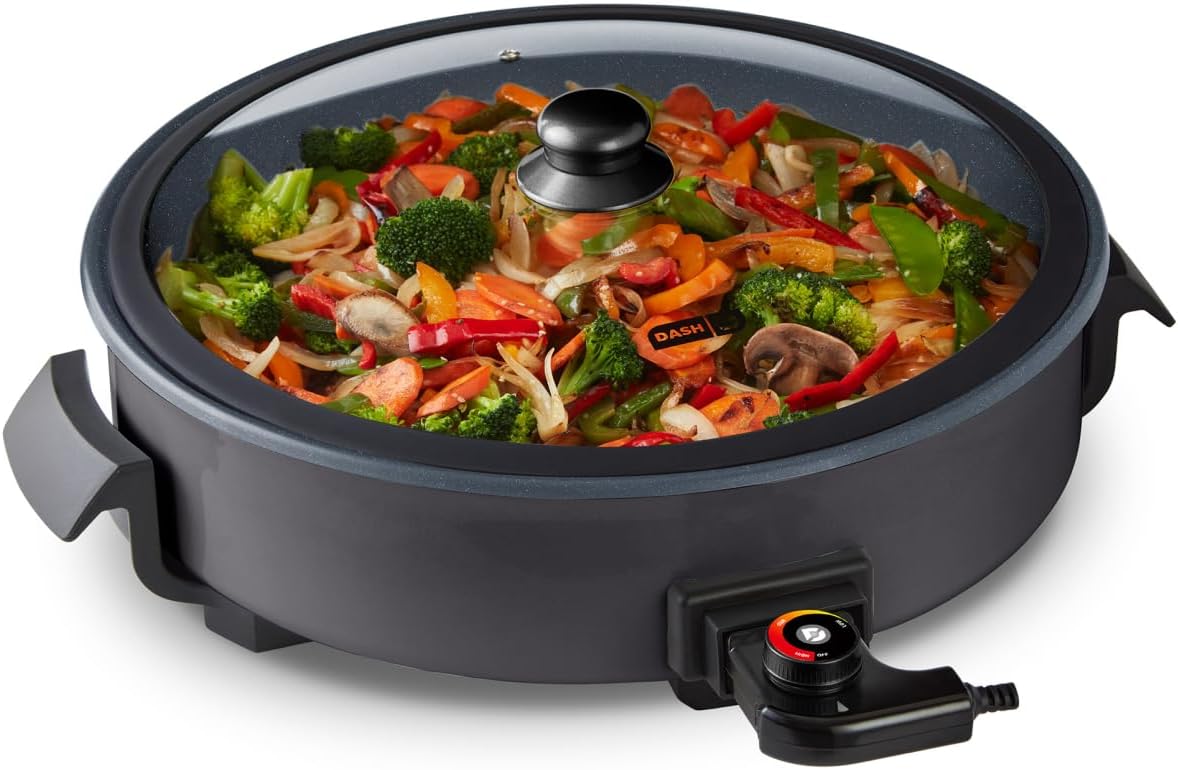
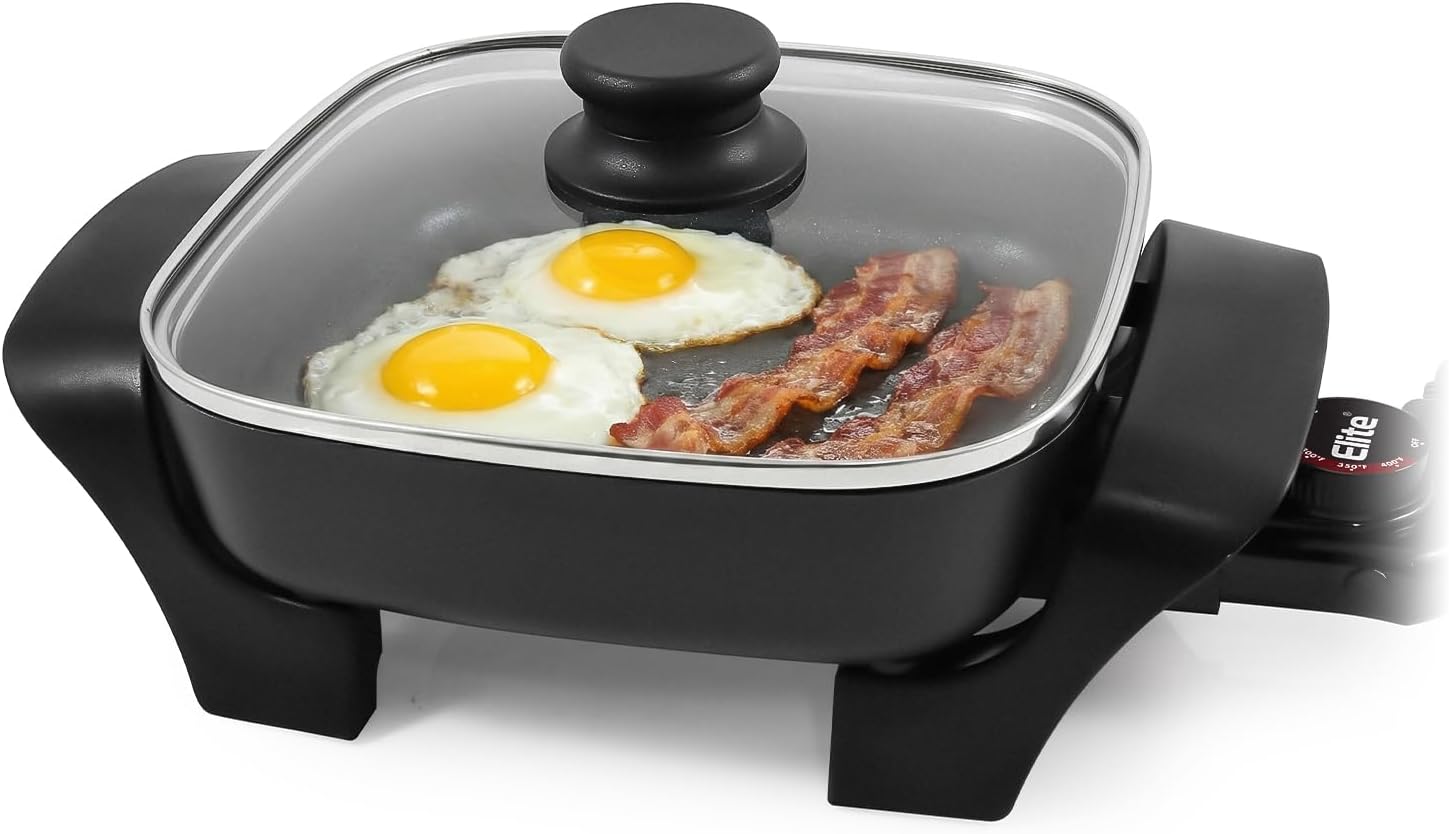
Finding a reliable non stick electric fry pan transforms how you handle everyday meals, from quick breakfasts to large family dinners. These countertop appliances combine integrated heating elements with versatile cooking surfaces, letting you fry, sauté, and simmer without relying strictly on a traditional stovetop.
Modern electric skillets feature adjustable temperature controls and nonstick coatings designed to simplify food release and cleanup. Whether you need a compact model for tight spaces or an extra-large pan for crowds, understanding core features helps match the right appliance to your cooking habits.
As an Amazon Associate, StacyLaughs earns from qualifying purchases.
Buying guide
Sizing and Capacity Considerations
Choosing the right capacity depends entirely on your household size and typical meal preparation habits. Compact models holding around two to three quarts are ideal for single portions, dorm rooms, or small RV kitchens where counter space is at an absolute premium and storage options are severely restricted. These smaller footprints let you prepare quick meals without cluttering tiny workspaces.
Larger families or those who enjoy hosting gatherings should look toward six-quart or ten-quart options. These larger units provide expansive cooking surfaces and deep sidewalls that easily accommodate multi-portion stir-fries, roasts, and large batch breakfasts without overcrowding your ingredients. Selecting the correct size ensures you never struggle with overflow while keeping your appliance proportions manageable for daily kitchen routines.
Wattage and Heating Performance
Power ratings directly influence how quickly your electric skillet heats up and maintains stable cooking temperatures across the entire pan floor. Models featuring six hundred watts work well for compact vessels, providing enough steady energy for basic frying and simmering tasks in small spaces without overloading standard electrical circuits. They handle everyday breakfast items efficiently and reliably.
Higher wattage appliances ranging from twelve hundred to fifteen hundred watts deliver faster heat recovery times and maintain consistent high temperatures across wide cooking surfaces. This extra power proves essential when searing meats, stir-frying dense vegetables, or managing large volumes of food simultaneously without experiencing noticeable temperature drops during active cooking cycles.
Nonstick Surface Materials
Modern electric skillets rely heavily on advanced nonstick coatings to facilitate effortless food release and minimize the need for excessive cooking oils. Ceramic and marbleized stone-finish surfaces offer smooth cooking areas where eggs, pancakes, and delicate sauces slide off easily during plating and serving. These advanced materials distribute heat evenly while preventing stubborn food residues from baking onto the metal.
Preserving these specialized coatings requires careful attention to manufacturer guidelines regarding utensils and cleaning routines. Using wooden, silicone, or plastic tools prevents surface scratching, while removable temperature probes allow safe sink immersion or dishwasher cleaning for compatible bases. Proper maintenance extends the lifespan of your nonstick investment significantly over years of daily meal preparation and cleanup tasks.
Temperature Control Mechanisms
Precision temperature regulation is a defining advantage of electric skillets over traditional stovetop cookware. Removable control probes let you dial exact heat levels, typically ranging from two hundred to four hundred degrees Fahrenheit, ensuring accurate thermal management for delicate simmering or aggressive searing tasks. This level of granular control eliminates guesswork and helps prevent scorching sensitive ingredients during long cooking cycles.
Indicator lights provide clear visual confirmation when your chosen temperature is reached and held, cycling automatically to prevent overheating or sudden cooling. Detachable probes also transform the skillet base into a convenient serving vessel that travels directly to the dining table without dangling power cords interfering with family dining routines or table space arrangements.
Lid Design and Moisture Control
Tempered glass lids play a crucial role in trapping heat, steam, and moisture while you monitor cooking progress without lifting the cover. Clear visibility lets you keep a close eye on simmering stews and frying foods without releasing valuable thermal energy into your kitchen environment. This enclosed design accelerates cooking times and keeps your culinary workspace cleaner.
Many lids include integrated steam vents that prevent excessive pressure buildup during braising or boiling, while insulated knobs ensure safe handling during use. Selecting models with durable, well-fitting glass covers enhances overall cooking efficiency and helps maintain ideal moisture levels across a wide variety of favorite recipes ranging from soups to roasted meats.
Cleaning and Maintenance Options
Post-cooking cleanup convenience often determines how frequently you use your electric skillet for everyday meal preparation tasks in busy households. Models featuring dishwasher-safe bases and removable temperature probes simplify sanitation routines significantly, allowing you to immerse the main pan body directly into sink water once electrical components are fully detached and cooled down safely.
Choosing materials that resist rusting, warping, and scratching ensures long-term durability under regular washing cycles and heavy daily use. Adhering strictly to manufacturer guidelines for cleaning and utensil selection preserves the nonstick surface integrity, keeping your appliance functioning smoothly and looking presentable through countless breakfasts, lunches, and family dinners over the years.
Frequently asked questions
Can I immerse my electric skillet in water for cleaning?
Yes, many electric skillets feature fully immersible cast aluminum bodies that can be washed in the sink or loaded into a dishwasher once you remove the temperature control probe. Always verify that the probe has been detached and the appliance is completely cooled before washing. Never submerge the electrical plug receptacle or the control probe itself in water, as this will damage internal components and void standard safety assurances provided by the manufacturer.
What types of utensils should I use on a nonstick electric pan?
You should use wooden, silicone, nylon, or plastic utensils when cooking with a nonstick electric fry pan. Metal spatulas, forks, and knives can easily scratch, gouge, or chip ceramic and multi-layer nonstick coatings, permanently ruining the food release properties of the cooking surface. Protecting the coating with non-scratch utensils ensures your skillet maintains its effortless cleanup performance and prevents premature wear during everyday meal preparation routines.
Do electric skillets replace traditional stovetop frying pans?
Electric skillets serve as versatile countertop alternatives that can easily handle frying, searing, simmering, steaming, and braising without occupying a burner on your main stove. They offer precise temperature dials and wide heating elements that cover the entire pan floor evenly. However, whether they completely replace stovetop pans depends entirely on your cooking style, kitchen layout, and whether you prefer dedicated standalone appliances for large-batch meals and convenient buffet-style serving.
Why does my electric skillet have an adjustable temperature probe?
The adjustable temperature probe gives you precise control over the cooking heat, allowing you to dial in specific temperatures ranging from two hundred to four hundred degrees Fahrenheit depending on the recipe. Instead of relying on vague burner settings, the probe cycles automatically to maintain your exact target temperature across the pan floor. Furthermore, detaching the probe lets you disconnect the power cord and bring the entire skillet directly to the table for serving.
How do I prevent food from sticking to my electric skillet?
Preventing food from sticking starts with selecting a skillet featuring a quality ceramic or multi-layer nonstick coating and allowing the pan to preheat properly before adding ingredients. Using recommended non-scratch utensils protects the surface from abrasions that trap food particles. Additionally, applying a minimal amount of cooking oil or butter when specified by your recipe helps ensure effortless food release and simplifies your post-cooking cleanup routine.